
Nursing practice questions with comprehensive rationales
NurseDive Free Nursing Practice Question
When reviewing the medical record of a client who asks about the use of magnet therapy for pain relief, which of the following findings is a contraindication for receiving this type of therapy?
A. The client has a prescription for metoprolol.
Choice A is wrong because having a prescription for metoprolol is not a contraindication for receiving magnet therapy for pain relief.
B. The client is allergic to penicillin.
Choice B is wrong because being allergic to penicillin is not a contraindication for receiving magnet therapy for pain relief.
C. The client has an implanted defibrillator.
This is a contraindication for receiving magnet therapy for pain relief because the magnetic field generated by the therapy can interfere with the functioning of the implanted defibrillator.
D. The client has a history of alcohol use disorder.
Choice D is wrong because having a history of alcohol use disorder is not a contraindication for receiving magnet therapy for pain relief.
This question is an excerpt from Nurse Dive's nursing test bank - ATI RN Fundamentals 2019 with NGN Proctored Exam. Take the full exam now
Full Explanation
This is a contraindication for receiving magnet therapy for pain relief because the magnetic field generated by the therapy can interfere with the functioning of the implanted defibrillator.
Choice A is wrong because having a prescription for metoprolol is not a contraindication for receiving magnet therapy for pain relief.
Choice B is wrong because being allergic to penicillin is not a contraindication for receiving magnet therapy for pain relief.
Choice D is wrong because having a history of alcohol use disorder is not a contraindication for receiving magnet therapy for pain relief.
Similar Questions
What is the nurse's priority intervention for a client undergoing a total laryngectomy?
A. Explain the techniques of esophageal speech.
Choice A is wrong because explaining the techniques of esophageal speech is not the priority intervention for a client undergoing a total laryngectomy.
B. Review the use of an artificial larynx with the client.
This is the nurse’s priority intervention for a client undergoing a total laryngectomy because it is important for the client to understand how to use an artificial larynx to communicate after the surgery.
C. Determine the client's reading ability.
Choice C is wrong because determining the client’s reading ability is not the priority intervention for a client undergoing a total laryngectomy.
D. Schedule a support session for the client.
Choice D is wrong because scheduling a support session for the client is not the priority intervention for a client undergoing a total laryngectomy.
Full Explanation
This is the nurse’s priority intervention for a client undergoing a total laryngectomy because it is important for the client to understand how to use an artificial larynx to communicate after the surgery.
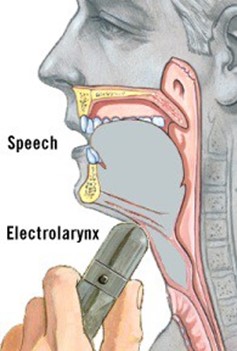
Choice A is wrong because explaining the techniques of esophageal speech is not the priority intervention for a client undergoing a total laryngectomy.
Choice C is wrong because determining the client’s reading ability is not the priority intervention for a client undergoing a total laryngectomy.
Choice D is wrong because scheduling a support session for the client is not the priority intervention for a client undergoing a total laryngectomy.
What tort is committed by an assistive personnel who threatens to put a client in restraints for not following a provider's prescription for strict bed rest?
A. Assault.
This tort is committed by an assistive personnel who threatens to put a client in restraints for not following a provider’s prescription for strict bed rest because assault is defined as an intentional act that causes another person to fear that they will be harmed.
B. Defamation of character.
Choice B is wrong because defamation of character is not the tort committed in this situation. Defamation of character involves making false statements that harm another person’s reputation.
C. False imprisonment.
Choice C is wrong because false imprisonment is not the tort committed in this situation. False imprisonment involves intentionally restricting another person’s freedom of movement without their consent.
D. Battery.
Choice D is wrong because the battery is not the tort committed in this situation. Battery involves intentionally touching another person in a harmful or offensive manner without their consent.
Full Explanation
This tort is committed by an assistive personnel who threatens to put a client in restraints for not following a provider’s prescription for strict bed rest because assault is defined as an intentional act that causes another person to fear that they will be harmed.
Choice B is wrong because defamation of character is not the tort committed in this situation.
Defamation of character involves making false statements that harm another person’s reputation.
Choice C is wrong because false imprisonment is not the tort committed in this situation.
False imprisonment involves intentionally restricting another person’s freedom of movement without their consent.
Choice D is wrong because the battery is not the tort committed in this situation.
Battery involves intentionally touching another person in a harmful or offensive manner without their consent.
How should the nurse record the net fluid intake for a client who received 0.9% sodium chloride 600 mL IV infusion, cefazolin 250 mg in dextrose 5% in water 100 mL intermittent IV bolus, 200 mL emesis, 40 mL voided urine, and 20 mL urine from straight catheterization?
A. 620 mL.
Step 1: Calculate the total fluid intake. The client received 0.9% sodium chloride 600 mL IV infusion and cefazolin 250 mg in dextrose 5% in water 100 mL intermittent IV bolus. So, the total fluid intake is 600 mL + 100 mL = 700 mL. Step 2: Calculate the total fluid output. The client had 200 mL emesis, 40 mL voided urine, and 20 mL urine from straight catheterization. So, the total fluid output is 200 mL + 40 mL + 20 mL = 260 mL. Step 3: Calculate the net fluid intake. The net fluid intake is the total fluid intake minus the total fluid output. So, the net fluid intake is 700 mL - 260 mL = 440 mL. Therefore, the nurse should record the net fluid intake as 440 mL.
B. 460 mL.
Step 1: Calculate the total fluid intake. The client received 0.9% sodium chloride 600 mL IV infusion and cefazolin 250 mg in dextrose 5% in water 100 mL intermittent IV bolus. So, the total fluid intake is 600 mL + 100 mL = 700 mL. Step 2: Calculate the total fluid output. The client had 200 mL emesis, 40 mL voided urine, and 20 mL urine from straight catheterization. So, the total fluid output is 200 mL + 40 mL + 20 mL = 260 mL. Step 3: Calculate the net fluid intake. The net fluid intake is the total fluid intake minus the total fluid output. So, the net fluid intake is 700 mL - 260 mL = 440 mL. Therefore, the nurse should record the net fluid intake as 440 mL.
C. 520 mL.
Step 1: Calculate the total fluid intake. The client received 0.9% sodium chloride 600 mL IV infusion and cefazolin 250 mg in dextrose 5% in water 100 mL intermittent IV bolus. So, the total fluid intake is 600 mL + 100 mL = 700 mL. Step 2: Calculate the total fluid output. The client had 200 mL emesis, 40 mL voided urine, and 20 mL urine from straight catheterization. So, the total fluid output is 200 mL + 40 mL + 20 mL = 260 mL. Step 3: Calculate the net fluid intake. The net fluid intake is the total fluid intake minus the total fluid output. So, the net fluid intake is 700 mL - 260 mL = 440 mL. Therefore, the nurse should record the net fluid intake as 440 mL.
D. 440 mL.
Step 1: Calculate the total fluid intake. The client received 0.9% sodium chloride 600 mL IV infusion and cefazolin 250 mg in dextrose 5% in water 100 mL intermittent IV bolus. So, the total fluid intake is 600 mL + 100 mL = 700 mL. Step 2: Calculate the total fluid output. The client had 200 mL emesis, 40 mL voided urine, and 20 mL urine from straight catheterization. So, the total fluid output is 200 mL + 40 mL + 20 mL = 260 mL. Step 3: Calculate the net fluid intake. The net fluid intake is the total fluid intake minus the total fluid output. So, the net fluid intake is 700 mL - 260 mL = 440 mL. Therefore, the nurse should record the net fluid intake as 440 mL.
Full Explanation
Step 1: Calculate the total fluid intake. The client received 0.9% sodium chloride 600 mL IV infusion and cefazolin 250 mg in dextrose 5% in water 100 mL intermittent IV bolus. So, the total fluid intake is 600 mL + 100 mL = 700 mL.
Step 2: Calculate the total fluid output. The client had 200 mL emesis, 40 mL voided urine, and 20 mL urine from straight catheterization. So, the total fluid output is 200 mL + 40 mL + 20 mL = 260 mL.
Step 3: Calculate the net fluid intake. The net fluid intake is the total fluid intake minus the total fluid output. So, the net fluid intake is 700 mL - 260 mL = 440 mL.
Therefore, the nurse should record the net fluid intake as 440 mL.