
Nursing practice questions with comprehensive rationales
NurseDive Free Nursing Practice Question
Which assessment Is most important for the nurse to obtain when a patient is being treated with a neuromuscular-blocking agent?
A. Respiratory assessment for patent airway.
Neuromuscular-blocking agents paralyze the muscles, including the respiratory muscles. Therefore, it is crucial to ensure that the patient maintains a patent airway and is able to breathe effectively. The nurse should monitor the patient's respiratory rate, depth, and effort, as well as assess for signs of airway obstruction, such as stridor or wheezing.
B. Skin assessment for rash
C. Blood pressure assessment for orthostatic hypotension
D. Assessment far fluid volume overload
This question is an excerpt from Nurse Dive's nursing test bank - ATI Custom Pharmacology Proctored Exam 2. Take the full exam now
Full Explanation
Neuromuscular-blocking agents paralyze the muscles, including the respiratory muscles. Therefore, it is crucial to ensure that the patient maintains a patent airway and is able to breathe effectively. The nurse should monitor the patient's respiratory rate, depth, and effort, as well as assess for signs of airway obstruction, such as stridor or wheezing.
Skin assessment for rash (option b), blood pressure assessment for orthostatic hypotension (option c), and assessment for fluid volume overload (option d) may also be important assessments for the nurse to obtain, but they are not the most critical assessments when a patient is being treated with a neuromuscular-blocking agent.
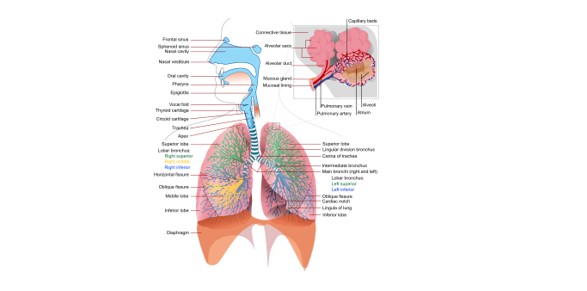
Similar Questions
A nurse is preparing to administer cephalexin oral suspension to an older adult client who has difficulty swallowing pills. Which of the following actions should the nurse take?
A. Store the medication at room temperature
Cephalexin oral suspension should typically be stored in the refrigerator to maintain its stability and effectiveness. Storing it at room temperature could affect its potency.
B. Avoid shaking the medication before administration
Shaking the oral suspension is necessary to ensure the medication is evenly distributed before each dose, providing the client with the correct dosage of active ingredients. Failure to shake the suspension can result in uneven dosing.
C. Check the client for a penicillin allergy
Cephalexin is a cephalosporin antibiotic, and there is a potential for cross-sensitivity in clients who are allergic to penicillin. Up to 10% of people with a penicillin allergy may also be allergic to cephalosporins. Checking for a penicillin allergy helps prevent an adverse reaction, making it a critical safety measure before administering cephalexin.
D. Monitor the client for constipation
While some antibiotics can cause gastrointestinal side effects, constipation is not a common adverse effect associated with cephalexin. The nurse should instead monitor for other side effects like diarrhea, which is more typical with antibiotics and can indicate a mild side effect or a more severe condition, such as Clostridioides difficile infection.
Full Explanation
A. Cephalexin oral suspension should typically be stored in the refrigerator to maintain its stability and effectiveness. Storing it at room temperature could affect its potency.
B. Shaking the oral suspension is necessary to ensure the medication is evenly distributed before each dose, providing the client with the correct dosage of active ingredients. Failure to shake the suspension can result in uneven dosing.
C. Cephalexin is a cephalosporin antibiotic, and there is a potential for cross-sensitivity in clients who are allergic to penicillin. Up to 10% of people with a penicillin allergy may also be allergic to cephalosporins. Checking for a penicillin allergy helps prevent an adverse reaction, making it a critical safety measure before administering cephalexin.
D. While some antibiotics can cause gastrointestinal side effects, constipation is not a common adverse effect associated with cephalexin. The nurse should instead monitor for other side effects like diarrhea, which is more typical with antibiotics and can indicate a mild side effect or a more severe condition, such as Clostridioides difficile infection.
A nurse is teaching a client who has multiple sclerosis and a new prescription for dantrolene. Which of the following statements by the client indicates an understanding of the teaching?
A. I can take an over-the-counter antihistamine for allergies when I’m taking this drug
Taking over-the-counter antihistamines with dantrolene is not recommended because both can cause drowsiness and increase the risk of side effects.
B. I should take this medication when my spasms are bad.
Dantrolene should be taken regularly as prescribed, not just when spasms are bad, to maintain consistent therapeutic levels and effectiveness.
C. My muscle strength should improve a lot in 2 to 3 days
Muscle strength improvement with dantrolene may take longer than 2 to 3 days. It typically requires a few weeks to see significant benefits.
D. I need to apply a sunscreen when I go outside
Dantrolene can cause photosensitivity, making the skin more sensitive to sunlight. Therefore, applying sunscreen when going outside is important to prevent sunburn.
Full Explanation
The correct answer is choice d. I need to apply a sunscreen when I go outside.
Choice A rationale:
Taking over-the-counter antihistamines with dantrolene is not recommended because both can cause drowsiness and increase the risk of side effects.
Choice B rationale:
Dantrolene should be taken regularly as prescribed, not just when spasms are bad, to maintain consistent therapeutic levels and effectiveness.
Choice C rationale:
Muscle strength improvement with dantrolene may take longer than 2 to 3 days. It typically requires a few weeks to see significant benefits.
Choice D rationale:
Dantrolene can cause photosensitivity, making the skin more sensitive to sunlight. Therefore, applying sunscreen when going outside is important to prevent sunburn.
A nurse manager is providing an educational program on antibiotic sensitivity to bacterial infection. The nurse should include in the teaching that vancomycin is Indicated for which of the following infections?
A. Pseudomonas aeruginosa
B. Klebsiella
C. Methicillin resistant staphylococcus succus
Vancomycin is a glycopeptide antibiotic that is effective against gram-positive bacteria, particularly against MRSA, which is resistant to other antibiotics like methicillin. It is not effective against gram-negative bacteria such as Pseudomonas aeruginosa and Klebsiella. Candida is a fungal infection and is not treated with vancomycin. Therefore, in this educational program, the nurse manager should emphasize that vancomycin is indicated for the treatment of infections caused by MRSA.
D. candida
Full Explanation
Vancomycin is a glycopeptide antibiotic that is effective against gram-positive bacteria, particularly against MRSA, which is resistant to other antibiotics like methicillin. It is not effective against gram-negative bacteria such as Pseudomonas aeruginosa and Klebsiella. Candida is a fungal infection and is not treated with vancomycin. Therefore, in this educational program, the nurse manager should emphasize that vancomycin is indicated for the treatment of infections caused by MRSA.
