
Nursing practice questions with comprehensive rationales
NurseDive Free Nursing Practice Question
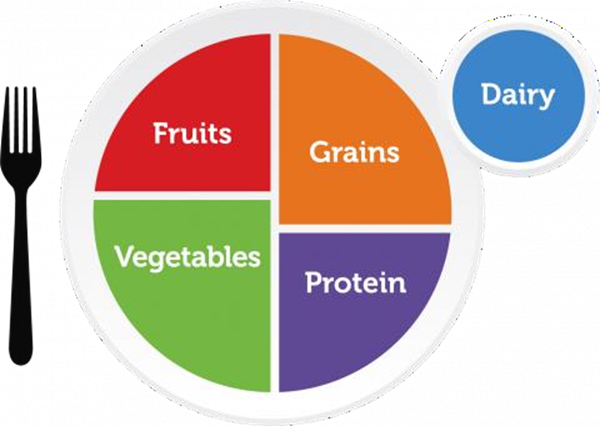
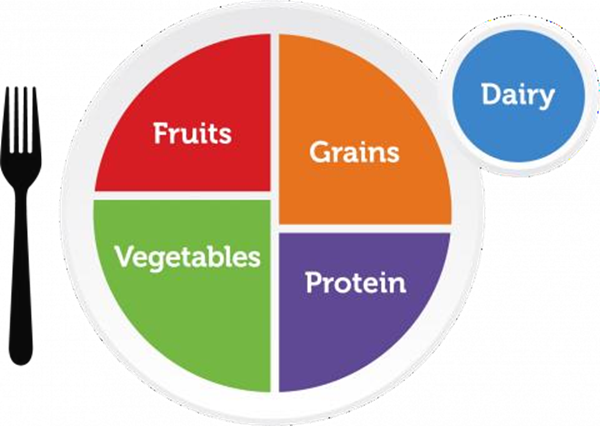
Which food makes up half of the USDA MyPlate?
A. proteins and starches
Proteins and starches together are not represented as one-half of the MyPlate; they are grouped separately.
B. fruits and vegetables
Half of the plate should be filled with fruits and vegetables, which provide vitamins, minerals, fiber, and antioxidants. The other half should be divided between grains and proteins, which provide carbohydrates, protein, iron and B vitamins.
C. dairy and fats
Dairy and fats are important but do not compose half of the MyPlate. Dairy is a separate food group on the plate.
D. grains and starches
Grains and starches are important but do not compose half of the plate according to the MyPlate plan.
This question is an excerpt from Nurse Dive's nursing test bank - LPN ATI Fundamental Proctored Exam - Paredes. Take the full exam now
Full Explanation
A. Proteins and starches together are not represented as one-half of the MyPlate; they are grouped separately.
B. Half of the plate should be filled with fruits and vegetables, which provide vitamins, minerals, fiber, and antioxidants. The other half should be divided between grains and proteins, which provide carbohydrates, protein, iron, and B vitamins.
C. Dairy and fats are important but do not compose half of the MyPlate. Dairy is a separate food group on the plate.
D. Grains and starches are important but do not compose half of the plate according to the MyPlate plan.
Similar Questions
A nurse is assisting with teaching a client who is on a low potassium diet which of the following instructions should the nurse include?
A. Avoid using salt substitutes when cooking.
Salt substitutes often contain potassium chloride, which can significantly increase potassium intake. For someone on a low-potassium diet, it's essential to avoid these substitutes.
B. Replace sugar with molasses when baking.
Molasses does not inherently have a higher potassium content than sugar, so this substitution does not significantly impact potassium intake.
C. Choose orange juice instead of apple juice.
Orange juice typically has a higher potassium content than apple juice, so this recommendation could increase potassium intake, contrary to a low-potassium diet.
D. Eat granola for breakfast.
Granola can contain varying amounts of potassium depending on the ingredients, so it might not always align with a low-potassium diet.
Full Explanation
A. Salt substitutes often contain potassium chloride, which can significantly increase potassium intake. For someone on a low-potassium diet, it's essential to avoid these substitutes.
B. Molasses does not inherently have a higher potassium content than sugar, so this substitution does not significantly impact potassium intake.
C. Orange juice typically has a higher potassium content than apple juice, so this recommendation could increase potassium intake, contrary to a low-potassium diet.
D. Granola can contain varying amounts of potassium depending on the ingredients, so it might not always align with a low-potassium diet.
A patient has an acute care facility discharge order for later that day. The LPN/LVN understands that part of the discharge process to be performed by a registered nurse is:
A. assisting the patient to get dressed.
Assisting the patient to get dressed might be part of the LPN/LVN's role or a nursing assistant's role but not typically a task performed by a registered nurse during the discharge process.
B. packing the patient's personal belongings.
Packing the patient's personal belongings could also be done by the patient or their family, or it might be assisted by nursing staff, but it's not usually a specific responsibility of the registered nurse during discharge.
C. writing the discharge instructions.
Writing the discharge instructions, which include medication schedules, follow-up care, dietary guidelines, and other critical information, is typically the responsibility of the registered nurse.
D. accompanying the patient to the acute care facility entrance.
Accompanying the patient to the acute care facility entrance might be a part of the overall discharge process but is not a task specifically assigned to the registered nurse.
Full Explanation
A. Assisting the patient to get dressed might be part of the LPN/LVN's role or a nursing assistant's role but not typically a task performed by a registered nurse during the discharge process.
B. Packing the patient's personal belongings could also be done by the patient or their family, or it might be assisted by nursing staff, but it's not usually a specific responsibility of the registered nurse during discharge.
C. Writing the discharge instructions, which include medication schedules, follow-up care, dietary guidelines, and other critical information, is typically the responsibility of the registered nurse.
D. Accompanying the patient to the acute care facility entrance might be a part of the overall discharge process but is not a task specifically assigned to the registered nurse.
A starvation condition common in children specifically after weaning from breast milk is:
A. kwashiorkor
Kwashiorkor is a severe form of malnutrition that occurs when a child is weaned from breast milk and lacks sufficient protein intake.
B. lactose intolerance
Lactose intolerance refers to the body's inability to digest lactose, a sugar found in milk, leading to gastrointestinal symptoms when dairy products are consumed.
C. amino acid poisoning
Amino acid poisoning is an acute condition caused by excessive intake of a specific amino acid beyond the body's capacity to metabolize it, resulting in toxicity.
D. malnutrition
Malnutrition is a general term referring to inadequate nutrition, which can encompass various conditions, including kwashiorkor.
Full Explanation
A. Kwashiorkor is a severe form of malnutrition that occurs when a child is weaned from breast milk and lacks sufficient protein intake.
B. Lactose intolerance refers to the body's inability to digest lactose, a sugar found in milk, leading to gastrointestinal symptoms when dairy products are consumed.
C. Amino acid poisoning is an acute condition caused by excessive intake of a specific amino acid beyond the body's capacity to metabolize it, resulting in toxicity.
D. Malnutrition is a general term referring to inadequate nutrition, which can encompass various conditions, including kwashiorkor.