
Nursing practice questions with comprehensive rationales
NurseDive Free Nursing Practice Question
Which of the following actions would the nurse take when caring for a client with nasal packing who had surgery 6 hours ago? (Select all that apply)
A. Observe for clear drainage.
Observing for clear drainage is important as it can indicate cerebrospinal fluid (CSF) leakage, especially after nasal or sinus surgery. CSF leakage is a serious complication that requires immediate medical attention. Clear drainage from the nose should be tested for the presence of glucose, which can confirm if it is CSF.
B. Assess for signs of bleeding.
Assessing for signs of bleeding is crucial in the immediate postoperative period. Nasal packing can sometimes mask ongoing bleeding, so it is important to monitor for any signs of excessive blood loss. This includes checking for blood-soaked dressings, frequent swallowing (which can indicate blood trickling down the throat), and changes in vital signs such as increased heart rate and decreased blood pressure.
C. Watch the client for frequent swallowing.
Watching the client for frequent swallowing is important because it can be a sign of posterior nasal bleeding. Blood can trickle down the back of the throat, causing the client to swallow frequently. This is a subtle but significant sign that should prompt further investigation and possible intervention.
D. Change the nasal packing.
This choice is incorrect. Nasal packing should not be changed by the nurse without specific orders from the physician. Changing the packing prematurely can disrupt the surgical site, cause bleeding, and increase the risk of infection. The packing is usually removed by the surgeon or under their direct supervision.
E. Administer a nasal steroid to decrease edema.
Administering a nasal steroid can help reduce inflammation and edema in the nasal passages. However, this should only be done if prescribed by the physician. Nasal steroids can help improve breathing and reduce discomfort, but they must be used according to medical guidance to avoid potential side effects.
This question is an excerpt from Nurse Dive's nursing test bank - Final Med Surg Comprehensive Proctored Exam (Brooklyn University). Take the full exam now
Full Explanation
Choice A: Observe for clear drainage.
Reason: Observing for clear drainage is important as it can indicate cerebrospinal fluid (CSF) leakage, especially after nasal or sinus surgery. CSF leakage is a serious complication that requires immediate medical attention. Clear drainage from the nose should be tested for the presence of glucose, which can confirm if it is CSF.
Choice B: Assess for signs of bleeding.
Reason: Assessing for signs of bleeding is crucial in the immediate postoperative period. Nasal packing can sometimes mask ongoing bleeding, so it is important to monitor for any signs of excessive blood loss. This includes checking for blood-soaked dressings, frequent swallowing (which can indicate blood trickling down the throat), and changes in vital signs such as increased heart rate and decreased blood pressure.
Choice C: Watch the client for frequent swallowing.
Reason: Watching the client for frequent swallowing is important because it can be a sign of posterior nasal bleeding. Blood can trickle down the back of the throat, causing the client to swallow frequently. This is a subtle but significant sign that should prompt further investigation and possible intervention.
Choice D: Change the nasal packing.
Reason: This choice is incorrect. Nasal packing should not be changed by the nurse without specific orders from the physician. Changing the packing prematurely can disrupt the surgical site, cause bleeding, and increase the risk of infection. The packing is usually removed by the surgeon or under their direct supervision.
Choice E: Administer a nasal steroid to decrease edema.
Reason: Administering a nasal steroid can help reduce inflammation and edema in the nasal passages. However, this should only be done if prescribed by the physician. Nasal steroids can help improve breathing and reduce discomfort, but they must be used according to medical guidance to avoid potential side effects.
Similar Questions
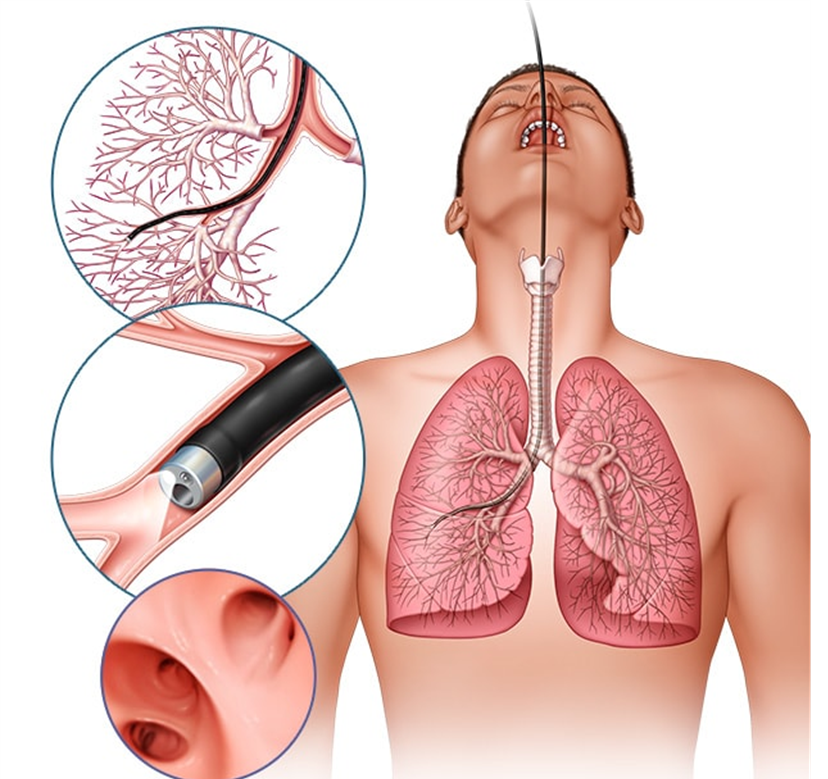
A client who had a bronchoscopy 2 hours ago asks for a drink of water. What action would the nurse take initially to assure client safety?
A. Assess the client’s gag reflex before giving any food or water.
: Assessing the client’s gag reflex before giving any food or water is crucial after a bronchoscopy. The procedure involves the use of local anesthesia to numb the throat, which can impair the gag reflex and increase the risk of aspiration. Ensuring that the gag reflex has returned before allowing the client to eat or drink helps prevent choking and aspiration, which are serious complications.
B. Provide the client with ice chips instead of a drink of water.
: Providing the client with ice chips instead of a drink of water is not the best initial action. While ice chips may seem like a safer option, they still pose a risk of aspiration if the gag reflex has not fully returned. The priority is to first assess the gag reflex to ensure the client can safely swallow.
C. Contact the primary healthcare provider and get the appropriate orders.
: Contacting the primary healthcare provider and getting the appropriate orders is not necessary as the first action. The nurse can independently assess the gag reflex, which is a standard nursing practice after procedures involving throat anesthesia. If there are concerns after the assessment, then contacting the healthcare provider would be appropriate.
D. Let the client have a small sip to evaluate the ability to swallow.
: Letting the client have a small sip to evaluate the ability to swallow is not safe without first assessing the gag reflex. This approach could lead to aspiration if the gag reflex has not returned. The initial step should always be to assess the gag reflex to ensure the client can safely swallow liquids.
Full Explanation
Choice A Reason:
Assessing the client’s gag reflex before giving any food or water is crucial after a bronchoscopy. The procedure involves the use of local anesthesia to numb the throat, which can impair the gag reflex and increase the risk of aspiration. Ensuring that the gag reflex has returned before allowing the client to eat or drink helps prevent choking and aspiration, which are serious complications.
Choice B Reason:
Providing the client with ice chips instead of a drink of water is not the best initial action. While ice chips may seem like a safer option, they still pose a risk of aspiration if the gag reflex has not fully returned. The priority is to first assess the gag reflex to ensure the client can safely swallow.
Choice C Reason:
Contacting the primary healthcare provider and getting the appropriate orders is not necessary as the first action. The nurse can independently assess the gag reflex, which is a standard nursing practice after procedures involving throat anesthesia. If there are concerns after the assessment, then contacting the healthcare provider would be appropriate.
Choice D Reason:
Letting the client have a small sip to evaluate the ability to swallow is not safe without first assessing the gag reflex. This approach could lead to aspiration if the gag reflex has not returned. The initial step should always be to assess the gag reflex to ensure the client can safely swallow liquids.
The nurse is monitoring the status of a postoperative client in the immediate postoperative period. The nurse would become most concerned with which sign that could indicate an evolving complication?
A. A pulse of 86 beats/minute
: A pulse of 86 beats per minute is within the normal range for adults (60-100 beats per minute) and does not typically indicate a postoperative complication. While it is important to monitor vital signs, this pulse rate alone is not concerning unless accompanied by other abnormal findings.
B. Hypoactive bowel sounds in all 4 quadrants
: Hypoactive bowel sounds in all four quadrants can occur after surgery due to the effects of anesthesia and the surgical procedure itself. While it is important to monitor bowel sounds, hypoactivity is not immediately concerning unless it persists or is accompanied by other symptoms such as abdominal pain or distention. Therefore, this finding alone does not indicate an evolving complication.
C. Blood pressure of 110/70 mm Hg
: A blood pressure of 110/70 mm Hg is within the normal range for adults and does not typically indicate a postoperative complication. Blood pressure should be monitored regularly, but this reading alone is not concerning unless there are significant changes or other abnormal findings.
D. Increasing restlessness
: Increasing restlessness is a concerning sign in the immediate postoperative period. It can indicate several potential complications, including pain, hypoxia, or the onset of delirium. Restlessness may also be an early sign of shock or other serious conditions that require prompt intervention. Therefore, this symptom warrants further assessment and immediate attention to determine the underlying cause and provide appropriate treatment.
Full Explanation
Choice A Reason:
A pulse of 86 beats per minute is within the normal range for adults (60-100 beats per minute) and does not typically indicate a postoperative complication. While it is important to monitor vital signs, this pulse rate alone is not concerning unless accompanied by other abnormal findings.
Choice B Reason:
Hypoactive bowel sounds in all four quadrants can occur after surgery due to the effects of anesthesia and the surgical procedure itself. While it is important to monitor bowel sounds, hypoactivity is not immediately concerning unless it persists or is accompanied by other symptoms such as abdominal pain or distention. Therefore, this finding alone does not indicate an evolving complication.
Choice C Reason:
A blood pressure of 110/70 mm Hg is within the normal range for adults and does not typically indicate a postoperative complication. Blood pressure should be monitored regularly, but this reading alone is not concerning unless there are significant changes or other abnormal findings.
Choice D Reason:
Increasing restlessness is a concerning sign in the immediate postoperative period. It can indicate several potential complications, including pain, hypoxia, or the onset of delirium. Restlessness may also be an early sign of shock or other serious conditions that require prompt intervention. Therefore, this symptom warrants further assessment and immediate attention to determine the underlying cause and provide appropriate treatment.
The nurse is preparing to administer medication using a client’s nasogastric tube. Which actions should the nurse take before administering the medication? Select all that apply.
A. Aspirate the stomach contents.
: Aspirating the stomach contents is essential to ensure the nasogastric tube is correctly positioned in the stomach. This step helps verify that the tube has not migrated and is safe for medication administration. If the aspirate is not obtained, further steps should be taken to confirm the tube’s placement.
B. Check the residual volume.
: Checking the residual volume is important to assess the stomach’s contents and ensure that the patient is tolerating the feedings or medications. High residual volumes may indicate delayed gastric emptying or other gastrointestinal issues. This information helps guide the timing and amount of medication administration.
C. Remove the tube and place it in the other nostril.
: Removing the tube and placing it in the other nostril is not a standard practice before administering medication. This action is unnecessary and could cause discomfort or complications for the patient. The focus should be on verifying the tube’s placement and ensuring it is functioning correctly.
D. Test the stomach contents for a pH indicating acidity.
: Testing the stomach contents for a pH indicating acidity is a reliable method to confirm the nasogastric tube’s placement. Gastric contents typically have a pH of 1 to 5, indicating the tube is in the stomach. This step helps ensure the safe administration of medications.
E. Turn off the suction to the nasogastric tube.
: Turning off the suction to the nasogastric tube is necessary before administering medications. Suction can interfere with the absorption of the medication and may cause the medication to be removed from the stomach before it has a chance to take effect. Therefore, it is important to turn off the suction temporarily during medication administration.
Full Explanation
Choice A Reason:
Aspirating the stomach contents is essential to ensure the nasogastric tube is correctly positioned in the stomach. This step helps verify that the tube has not migrated and is safe for medication administration. If the aspirate is not obtained, further steps should be taken to confirm the tube’s placement.
Choice B Reason:
Checking the residual volume is important to assess the stomach’s contents and ensure that the patient is tolerating the feedings or medications. High residual volumes may indicate delayed gastric emptying or other gastrointestinal issues. This information helps guide the timing and amount of medication administration.
Choice C Reason:
Removing the tube and placing it in the other nostril is not a standard practice before administering medication. This action is unnecessary and could cause discomfort or complications for the patient. The focus should be on verifying the tube’s placement and ensuring it is functioning correctly.
Choice D Reason:
Testing the stomach contents for a pH indicating acidity is a reliable method to confirm the nasogastric tube’s placement. Gastric contents typically have a pH of 1 to 5, indicating the tube is in the stomach. This step helps ensure the safe administration of medications.
Choice E Reason:
Turning off the suction to the nasogastric tube is necessary before administering medications. Suction can interfere with the absorption of the medication and may cause the medication to be removed from the stomach before it has a chance to take effect. Therefore, it is important to turn off the suction temporarily during medication administration.