
Nursing practice questions with comprehensive rationales
NurseDive Free Nursing Practice Question
A nurse caring for a client with acute peritonitis reviews the physician's orders. The orders include an NPO diet, insertion of a nasogastric tube set to low intermittent suction, and IV fluids at 50 mL per hour. When asked why he will need the NG tube, what is the nurse's best reply?
A. To administer medications and electrolytes
Reason: This is incorrect because administering medications and electrolytes is not the primary purpose of inserting a nasogastric tube for a client with acute peritonitis. Medications and electrolytes can be given through other routes, such as IV or oral.
B. To dilate the stomach as a presurgical preparation
Reason: This is incorrect because dilating the stomach as a presurgical preparation is not a relevant Reason for inserting a nasogastric tube for a client with acute peritonitis. Dilating the stomach may be done before some types of gastric surgery, but it does not apply to peritonitis.
C. You will not be able to eat for several days
Reason: This is incorrect because stating that you will not be able to eat for several days is not an adequate explanation for inserting a nasogastric tube for a client with acute peritonitis. This statement does not address the rationale or the benefits of the procedure. It may also cause anxiety and resentment in the client.
D. To remove secretions and decompress your stomach
Reason: This is the correct choice because removing secretions and decompressing the stomach is the main Reason for inserting a nasogastric tube for a client with acute peritonitis. Peritonitis is an inflammation of the peritoneum, the membrane that lines the abdominal cavity. It can cause abdominal distension, pain, nausea, and vomiting. A nasogastric tube can suction out the gastric contents and reduce the pressure and irritation in the abdomen.
This question is an excerpt from Nurse Dive's nursing test bank - ATI Med Surg Proctored Exam 4. Take the full exam now
Full Explanation
Choice A Reason: This is incorrect because administering medications and electrolytes is not the primary purpose of inserting a nasogastric tube for a client with acute peritonitis. Medications and electrolytes can be given through other routes, such as IV or oral.
Choice B Reason: This is incorrect because dilating the stomach as a presurgical preparation is not a relevant Reason for inserting a nasogastric tube for a client with acute peritonitis. Dilating the stomach may be done before some types of gastric surgery, but it does not apply to peritonitis.
Choice C Reason: This is incorrect because stating that you will not be able to eat for several days is not an adequate explanation for inserting a nasogastric tube for a client with acute peritonitis. This statement does not address the rationale or the benefits of the procedure. It may also cause anxiety and resentment in the client.
Choice D Reason: This is the correct choice because removing secretions and decompressing the stomach is the main Reason for inserting a nasogastric tube for a client with acute peritonitis. Peritonitis is an inflammation of the peritoneum, the membrane that lines the abdominal cavity. It can cause abdominal distension, pain, nausea, and vomiting. A nasogastric tube can suction out the gastric contents and reduce the pressure and irritation in the abdomen.
Similar Questions
A nurse is admitting a client who has a partial hearing loss. Which of the following is the priority action by the nurse?
A. Stand directly in front of the client.
Reason: This is incorrect because standing directly in front of the client is not the priority action by the nurse when admitting a client who has a partial hearing loss. Standing directly in front of the client can enhance communication, but it is not as important as assessing the client's hearing status and needs.
B. Rephrase statements the client does not hear.
Reason: This is incorrect because rephrasing statements the client does not hear is not the priority action by the nurse when admitting a client who has a partial hearing loss. Rephrasing statements can improve understanding, but it is not as essential as evaluating the client's hearing level and preferences.
C. Speak using his usual tone of voice.
Reason: This is incorrect because speaking using his usual tone of voice is not the priority action by the nurse when admitting a client who has a partial hearing loss. Speaking using his usual tone of voice may or may not be appropriate, depending on the client's hearing ability and comfort. The nurse should adjust his tone of voice based on the client's feedback and response.
D. Determine if the client uses hearing aids.
Reason: This is the correct choice because determining if the client uses hearing aids is the priority action by the nurse when admitting a client who has a partial hearing loss. Hearing aids are devices that amplify sound and improve hearing for people with hearing loss. The nurse should determine if the client uses hearing aids, and if so, check their function, fit, and battery life. The nurse should also ask about any other assistive devices or strategies that the client uses to communicate effectively.
Full Explanation
Choice A Reason: This is incorrect because standing directly in front of the client is not the priority action by the nurse when admitting a client who has a partial hearing loss. Standing directly in front of the client can enhance communication, but it is not as important as assessing the client's hearing status and needs.
Choice B Reason: This is incorrect because rephrasing statements the client does not hear is not the priority action by the nurse when admitting a client who has a partial hearing loss. Rephrasing statements can improve understanding, but it is not as essential as evaluating the client's hearing level and preferences.
Choice C Reason: This is incorrect because speaking using his usual tone of voice is not the priority action by the nurse when admitting a client who has a partial hearing loss. Speaking using his usual tone of voice may or may not be appropriate, depending on the client's hearing ability and comfort. The nurse should adjust his tone of voice based on the client's feedback and response.
Choice D Reason: This is the correct choice because determining if the client uses hearing aids is the priority action by the nurse when admitting a client who has a partial hearing loss. Hearing aids are devices that amplify sound and improve hearing for people with hearing loss. The nurse should determine if the client uses hearing aids, and if so, check their function, fit, and battery life. The nurse should also ask about any other assistive devices or strategies that the client uses to communicate effectively.
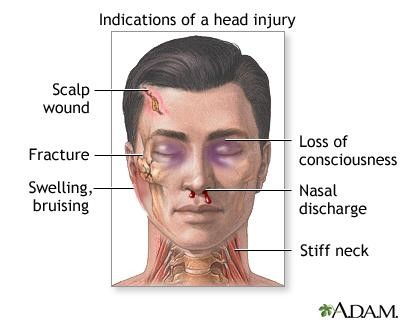
Which of the following clients is most at risk for traumatic brain injury?
A. A 40 year old female who drives a motorcycle
Reason: This is the correct choice because driving a motorcycle is a high-risk activity that can expose the client to head trauma, especially if they do not wear a helmet. Traumatic brain injury (TBI) is a condition where the brain is damaged by an external force, such as a collision, fall, or assault.
B. A pregnant female who has high blood pressure
Reason: This is incorrect because having high blood pressure is not a direct risk factor for traumatic brain injury. High blood pressure can increase the risk of stroke, which is a condition where the brain is damaged by an internal cause, such as a blood clot or hemorrhage.
C. A 18 year old male who smokes and has a family history of brain cancer
Reason: This is incorrect because smoking and having a family history of brain cancer are not risk factors for traumatic brain injury. Smoking and genetic factors can increase the risk of developing brain tumors, which are abnormal growths of cells in the brain.
D. A 65 year old male client who golfs 3 times a week and drives a golf cart
Reason: This is incorrect because golfing and driving a golf cart are low-risk activities that do not pose a significant threat to the client's head. Golfing and driving a golf cart may cause minor injuries, such as sprains, strains, or bruises, but not traumatic brain injury.
Full Explanation
Choice A Reason: This is the correct choice because driving a motorcycle is a high-risk activity that can expose the client to head trauma, especially if they do not wear a helmet. Traumatic brain injury (TBI) is a condition where the brain is damaged by an external force, such as a collision, fall, or assault.
Choice B Reason: This is incorrect because having high blood pressure is not a direct risk factor for traumatic brain injury. High blood pressure can increase the risk of stroke, which is a condition where the brain is damaged by an internal cause, such as a blood clot or hemorrhage.
Choice C Reason: This is incorrect because smoking and having a family history of brain cancer are not risk factors for traumatic brain injury. Smoking and genetic factors can increase the risk of developing brain tumors, which are abnormal growths of cells in the brain.
Choice D Reason: This is incorrect because golfing and driving a golf cart are low-risk activities that do not pose a significant threat to the client's head. Golfing and driving a golf cart may cause minor injuries, such as sprains, strains, or bruises, but not traumatic brain injury.
The nurse is reviewing the record of a client with a diagnosis of cirrhosis and notes that there is documentation of the presence of asterixis. How should the nurse assess for its presence?
A. Measure the abdominal girth
Reason: Measuring the abdominal girth is not related to asterixis, which is a tremor of the hand when the wrist is extended. It may indicate ascites, which is a complication of cirrhosis, but not asterixis.
B. Have the client extend their arms
Reason: This is the correct choice. Asterixis is a flapping tremor of the hand when the wrist is extended, sometimes said to resemble a bird flapping its wings. It is caused by abnormal function of the diencephalic motor centers that regulate the muscles involved in maintaining posture. It is a sign of hepatic encephalopathy, which is a neuropsychiatric disorder that occurs in patients with liver disease.
C. Have the client flex and extend their foot
Reason: Having the client flex and extend their foot is not related to asterixis, which affects the hand and wrist. It may test for ankle clonus, which is a rhythmic contraction of the calf muscles when the foot is dorsiflexed. It indicates an upper motor neuron lesion, but not hepatic encephalopathy.
D. Ask the client to walk heel to toe
Reason: Asking the client to walk heel to toe is not related to asterixis, which affects the hand and wrist. It may test for balance and coordination, which can be impaired in patients with hepatic encephalopathy, but it is not a specific sign of asterixis.
Full Explanation
Choice A Reason: Measuring the abdominal girth is not related to asterixis, which is a tremor of the hand when the wrist is extended. It may indicate ascites, which is a complication of cirrhosis, but not asterixis.
Choice B Reason: This is the correct choice. Asterixis is a flapping tremor of the hand when the wrist is extended, sometimes said to resemble a bird flapping its wings. It is caused by abnormal function of the diencephalic motor centers that regulate the muscles involved in maintaining posture. It is a sign of hepatic encephalopathy, which is a neuropsychiatric disorder that occurs in patients with liver disease.
Choice C Reason: Having the client flex and extend their foot is not related to asterixis, which affects the hand and wrist. It may test for ankle clonus, which is a rhythmic contraction of the calf muscles when the foot is dorsiflexed. It indicates an upper motor neuron lesion, but not hepatic encephalopathy.
Choice D Reason: Asking the client to walk heel to toe is not related to asterixis, which affects the hand and wrist. It may test for balance and coordination, which can be impaired in patients with hepatic encephalopathy, but it is not a specific sign of asterixis.