Nursing practice questions with comprehensive rationales
NurseDive Free Nursing Practice Question
A nurse in the emergency department is caring for a client who was injured in a motor-vehicle crash. The client reports dyspnea and severe pain. The nurse notes that the client's chest moves inward during inspiration and bulges out during expiration. The nurse should identify this finding as which of the following?
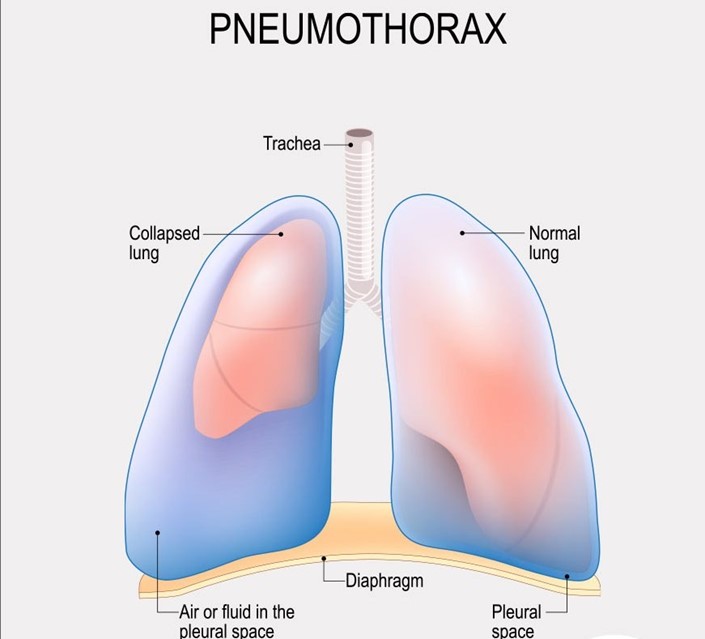
A. Pneumothorax
Reason: This is incorrect because a pneumothorax is a condition in which air enters the pleural space and causes the lung to collapse. It does not cause the chest wall to move inward and outward paradoxically.
B. Atelectasis
Reason: This is incorrect because atelectasis is a condition in which alveoli collapse and cause reduced gas exchange. It does not cause the chest wall to move inward and outward paradoxically.
C. Flail chest
Reason: This is correct because flail chest is a condition in which multiple ribs are fractured and cause a segment of the chest wall to detach from the rest of the thoracic cage. It causes the chest wall to move inward and outward paradoxically, as well as dyspnea and pain.
D. Hemothorax
Reason: This is incorrect because a hemothorax is a condition in which blood enters the pleural space and causes the lung to collapse. It does not cause the chest wall to move inward and outward paradoxically.
This question is an excerpt from Nurse Dive's nursing test bank - ATI Med Surg Custom N235 Final Summer 2023 Proctored Exam. Take the full exam now
Full Explanation
Choice A Reason: This is incorrect because a pneumothorax is a condition in which air enters the pleural space and causes the lung to collapse. It does not cause the chest wall to move inward and outward paradoxically.
Choice B Reason: This is incorrect because atelectasis is a condition in which alveoli collapse and cause reduced gas exchange. It does not cause the chest wall to move inward and outward paradoxically.
Choice C Reason: This is correct because flail chest is a condition in which multiple ribs are fractured and cause a segment of the chest wall to detach from the rest of the thoracic cage. It causes the chest wall to move inward and outward paradoxically, as well as dyspnea and pain.
Choice D Reason: This is incorrect because a hemothorax is a condition in which blood enters the pleural space and causes the lung to collapse. It does not cause the chest wall to move inward and outward paradoxically.
Similar Questions
A nurse in an emergency department is reviewing the medical record of a client who has an extensive burn injury. Which of the following laboratory results should the nurse expect?
A. Hypervolemia
Reason: This is incorrect because hypervolemia is a condition of excess fluid volume in the body. A client who has an extensive burn injury is more likely to have hypovolemia, which is a condition of low fluid volume, due to fluid loss from the damaged skin and capillaries.
B. Metabolic alkalosis
Reason: This is incorrect because metabolic alkalosis is a condition of high blood pH and high bicarbonate level. A client who has an extensive burn injury is more likely to have metabolic acidosis, which is a condition of low blood pH and low bicarbonate level, due to increased production of lactic acid and ketones from tissue hypoxia and breakdown.
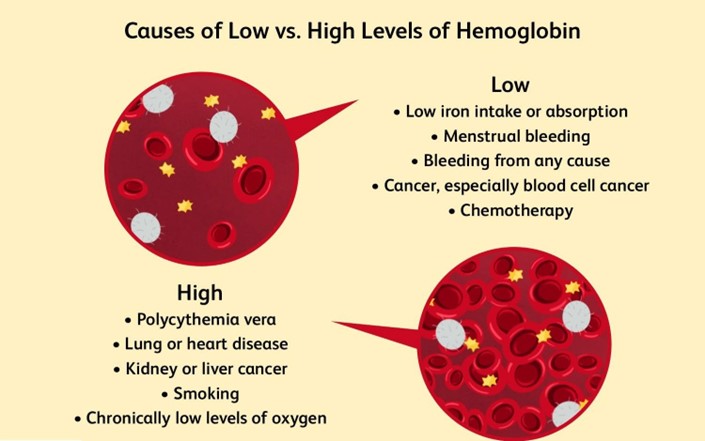
C. Low hemoglobin
Reason: This is correct because low hemoglobin is a common laboratory finding in a client who has an extensive burn injury. Hemoglobin is the protein in red blood cells that carries oxygen. A client who has an extensive burn injury may have low hemoglobin due to hemolysis, which is the destruction of red blood cells, or hemorrhage, which is the loss of blood.
D. Hyperkalemia
Reason: This is incorrect because hyperkalemia is a condition of high blood potassium level. A client who has an extensive burn injury may have hyperkalemia in the early phase of injury, due to cell damage and potassium release, but it is usually transient and followed by hypokalemia, which is a condition of low blood potassium level, due to fluid loss and potassium depletion.
Full Explanation
Choice A Reason: This is incorrect because hypervolemia is a condition of excess fluid volume in the body. A client who has an extensive burn injury is more likely to have hypovolemia, which is a condition of low fluid volume, due to fluid loss from the damaged skin and capillaries.
Choice B Reason: This is incorrect because metabolic alkalosis is a condition of high blood pH and high bicarbonate level. A client who has an extensive burn injury is more likely to have metabolic acidosis, which is a condition of low blood pH and low bicarbonate level, due to increased production of lactic acid and ketones from tissue hypoxia and breakdown.
Choice C Reason: This is correct because low hemoglobin is a common laboratory finding in a client who has an extensive burn injury. Hemoglobin is the protein in red blood cells that carries oxygen. A client who has an extensive burn injury may have low hemoglobin due to hemolysis, which is the destruction of red blood cells, or hemorrhage, which is the loss of blood.
Choice D Reason: This is incorrect because hyperkalemia is a condition of high blood potassium level. A client who has an extensive burn injury may have hyperkalemia in the early phase of injury, due to cell damage and potassium release, but it is usually transient and followed by hypokalemia, which is a condition of low blood potassium level, due to fluid loss and potassium depletion.
A nurse is caring for a client who has hypovolemic shock. Which of the following should the nurse recognize as an expected finding?
A. Hypertension
Reason: This is incorrect because hypertension is a condition of high blood pressure. A client who has hypovolemic shock is more likely to have hypotension, which is a condition of low blood pressure, due to fluid loss and reduced cardiac output.
B. Bradypnea
Reason: This is incorrect because bradypnea is a condition of slow breathing. A client who has hypovolemic shock is more likely to have tachypnea, which is a condition of fast breathing, due to hypoxia and increased respiratory demand.
C. Oliguria
Reason: This is correct because oliguria is a condition of low urine output. A client who has hypovolemic shock may have oliguria due to decreased renal perfusion and activation of the renin-angiotensin-aldosterone system, which causes sodium and water retention.
D. Flushing of the skin
Reason: This is incorrect because flushing of the skin is a condition of redness and warmth of the skin. A client who has hypovolemic shock may have pallor and coolness of the skin due to vasoconstriction and reduced blood flow.
Full Explanation
Choice A Reason: This is incorrect because hypertension is a condition of high blood pressure. A client who has hypovolemic shock is more likely to have hypotension, which is a condition of low blood pressure, due to fluid loss and reduced cardiac output.
Choice B Reason: This is incorrect because bradypnea is a condition of slow breathing. A client who has hypovolemic shock is more likely to have tachypnea, which is a condition of fast breathing, due to hypoxia and increased respiratory demand.
Choice C Reason: This is correct because oliguria is a condition of low urine output. A client who has hypovolemic shock may have oliguria due to decreased renal perfusion and activation of the renin-angiotensin-aldosterone system, which causes sodium and water retention.
Choice D reason: This is incorrect because flushing of the skin is a condition of redness and warmth of the skin. A client who has hypovolemic shock may have pallor and coolness of the skin due to vasoconstriction and reduced blood flow.
A nurse is assessing a client who has a pneumothorax with a chest tube in place. For which of the following findings should the nurse notify the provider?
A. Crepitus in the area above and surrounding the insertion site
Reason: This is incorrect because crepitus in the area above and surrounding the insertion site is not a serious finding that requires notification of the provider. Crepitus is a crackling sensation that occurs when air leaks into the subcutaneous tissue. It is usually harmless and resolves on its own.
B. Bubbling of the water in the water seal chamber with exhalation
Reason: This is incorrect because bubbling of the water in the water seal chamber with exhalation is a normal finding that indicates that air is being removed from the pleural space. Bubbling should stop when the pneumothorax is resolved.
C. Eyelets are not visible
Reason: This is incorrect because eyelets are not visible is not a serious finding that requires notification of the provider. Eyelets are small holes at the end of the chest tube that allow air and fluid to drain from the pleural space. They are usually covered by a dressing and may not be visible.
D. Movement of the trachea toward the unaffected side
Reason: This is correct because movement of the trachea toward the unaffected side is a serious finding that indicates a tension pneumothorax, which is a life-threatening condition that occurs when air accumulates in the pleural space and causes pressure on the mediastinum. The nurse should notify the provider immediately and prepare for needle decompression or chest tube insertion.
Full Explanation
Choice A Reason: This is incorrect because crepitus in the area above and surrounding the insertion site is not a serious finding that requires notification of the provider. Crepitus is a crackling sensation that occurs when air leaks into the subcutaneous tissue. It is usually harmless and resolves on its own.
Choice B reason: This is incorrect because bubbling of the water in the water seal chamber with exhalation is a normal finding that indicates that air is being removed from the pleural space. Bubbling should stop when the pneumothorax is resolved.
Choice C Reason: This is incorrect because eyelets are not visible is not a serious finding that requires notification of the provider. Eyelets are small holes at the end of the chest tube that allow air and fluid to drain from the pleural space. They are usually covered by a dressing and may not be visible.
Choice D Reason: This is correct because movement of the trachea toward the unaffected side is a serious finding that indicates a tension pneumothorax, which is a life-threatening condition that occurs when air accumulates in the pleural space and causes pressure on the mediastinum. The nurse should notify the provider immediately and prepare for needle decompression or chest tube insertion.