Nursing practice questions with comprehensive rationales
NurseDive Free Nursing Practice Question
A nurse is assessing a client following the administration of an initial dose of captopril. Which of the following findings indicates an anaphylactic response?
A. Laryngeal edema
Laryngeal edema is a classic sign of anaphylaxis, a severe and potentially life-threatening allergic reaction. It can lead to difficulty breathing and requires immediate medical attention. Anaphylaxis can occur with any medication, including captopril, especially on initial exposure.
B. Fever
Fever is not typically a sign of anaphylaxis. While it can be a symptom of various infections or inflammatory processes, it is not indicative of an immediate hypersensitivity reaction.
C. Hypertension
Hypertension, or high blood pressure, is not a sign of anaphylaxis. In fact, during an anaphylactic reaction, blood pressure often drops significantly, a condition known as anaphylactic shock.
D. Arrhythmia
Arrhythmia, or an irregular heartbeat, can be associated with various cardiac conditions but is not a specific indicator of anaphylaxis. While severe allergic reactions can affect heart rate, they are more likely to cause hypotension than arrhythmia.
This question is an excerpt from Nurse Dive's nursing test bank - Ati Rn Adult Medical Surgical 2023 Proctored Exam. Take the full exam now
Full Explanation
Choice A reason: Laryngeal edema is a classic sign of anaphylaxis, a severe and potentially life-threatening allergic reaction. It can lead to difficulty breathing and requires immediate medical attention. Anaphylaxis can occur with any medication, including captopril, especially on initial exposure.
Choice B reason: Fever is not typically a sign of anaphylaxis. While it can be a symptom of various infections or inflammatory processes, it is not indicative of an immediate hypersensitivity reaction.
Choice C reason: Hypertension, or high blood pressure, is not a sign of anaphylaxis. In fact, during an anaphylactic reaction, blood pressure often drops significantly, a condition known as anaphylactic shock.
Choice D reason: Arrhythmia, or an irregular heartbeat, can be associated with various cardiac conditions but is not a specific indicator of anaphylaxis. While severe allergic reactions can affect heart rate, they are more likely to cause hypotension than arrhythmia.
Similar Questions
A nurse is providing discharge teaching to a client who has pulmonary tuberculosis. Which of the following findings should the nurse include as an indication that the client is no longer infectious?
A. Mantoux skin test revealing an induration of less than 1 mm
The Mantoux skin test, also known as the tuberculin skin test, measures the immune response to the tuberculin purified protein derivative injected into the skin. An induration of less than 1 mm is not considered a positive result. However, the size of the induration in the Mantoux test does not indicate whether the person is infectious or not.
B. Negative sputum cultures for acid-fast bacillus
Negative sputum cultures for acid-fast bacillus (AFB) are a strong indication that the client is no longer infectious. Pulmonary tuberculosis is diagnosed and monitored by the presence of AFB in the sputum. When the sputum cultures are negative, it suggests that the client is not excreting the bacteria and is less likely to spread the infection to others.
C. The client is no longer coughing up blood-tinged sputum
While no longer coughing up blood-tinged sputum is a sign of clinical improvement, it does not necessarily mean that the client is no longer infectious. The absence of blood in the sputum may indicate reduced inflammation or healing of lung tissue, but the client could still be capable of transmitting tuberculosis if AFB is present in the sputum.
D. Positive Quantiferon-TB Gold test (negative)
The Quantiferon-TB Gold test is a blood test that measures the immune response to Mycobacterium tuberculosis antigens. A positive result indicates that the person's immune system has been exposed to the bacteria, but it does not determine if the person is infectious. The term "positive (negative)" is contradictory and does not provide clear information about the client's infectious status.
Full Explanation
Choice A reason: The Mantoux skin test, also known as the tuberculin skin test, measures the immune response to the tuberculin purified protein derivative injected into the skin. An induration of less than 1 mm is not considered a positive result. However, the size of the induration in the Mantoux test does not indicate whether the person is infectious or not.
Choice B reason: Negative sputum cultures for acid-fast bacillus (AFB) are a strong indication that the client is no longer infectious. Pulmonary tuberculosis is diagnosed and monitored by the presence of AFB in the sputum. When the sputum cultures are negative, it suggests that the client is not excreting the bacteria and is less likely to spread the infection to others.
Choice C reason: While no longer coughing up blood-tinged sputum is a sign of clinical improvement, it does not necessarily mean that the client is no longer infectious. The absence of blood in the sputum may indicate reduced inflammation or healing of lung tissue, but the client could still be capable of transmitting tuberculosis if AFB is present in the sputum.
Choice D reason: The Quantiferon-TB Gold test is a blood test that measures the immune response to Mycobacterium tuberculosis antigens. A positive result indicates that the person's immune system has been exposed to the bacteria, but it does not determine if the person is infectious. The term "positive (negative)" is contradictory and does not provide clear information about the client's infectious status.
A nurse is planning care for a client who has a radial fracture and a newly placed short arm cast on the left arm. Which of the following findings is the nurse's priority?
A. The client requires assistance with getting dressed.
While requiring assistance with getting dressed is an important consideration in care planning, it is not the most immediate priority. The nurse should ensure that the client's basic needs are met, but this does not represent an acute medical concern.
B. The client reports numbness of the fingers of the left hand.
The client reporting numbness of the fingers of the left hand is the most urgent priority. Numbness can indicate neurovascular compromise or increased pressure within the cast, which could lead to further injury or complications such as compartment syndrome. Immediate assessment and intervention are required to prevent permanent damage.
C. The client reports itching of the left arm.
Itching of the left arm under the cast is a common complaint and can be uncomfortable for the client. However, it is not a priority over potential neurovascular compromise. The nurse can provide education on how to safely alleviate itching without compromising the integrity of the cast.
D. The client has a pillow under their left arm.
Having a pillow under the left arm is part of proper positioning to reduce swelling and provide comfort. While it is a part of good nursing care, it is not a priority over signs of neurovascular compromise.
Full Explanation
Choice A reason: While requiring assistance with getting dressed is an important consideration in care planning, it is not the most immediate priority. The nurse should ensure that the client's basic needs are met, but this does not represent an acute medical concern.
Choice B reason: The client reporting numbness of the fingers of the left hand is the most urgent priority. Numbness can indicate neurovascular compromise or increased pressure within the cast, which could lead to further injury or complications such as compartment syndrome. Immediate assessment and intervention are required to prevent permanent damage.
Choice C reason: Itching of the left arm under the cast is a common complaint and can be uncomfortable for the client. However, it is not a priority over potential neurovascular compromise. The nurse can provide education on how to safely alleviate itching without compromising the integrity of the cast.
Choice D reason: Having a pillow under the left arm is part of proper positioning to reduce swelling and provide comfort. While it is a part of good nursing care, it is not a priority over signs of neurovascular compromise.
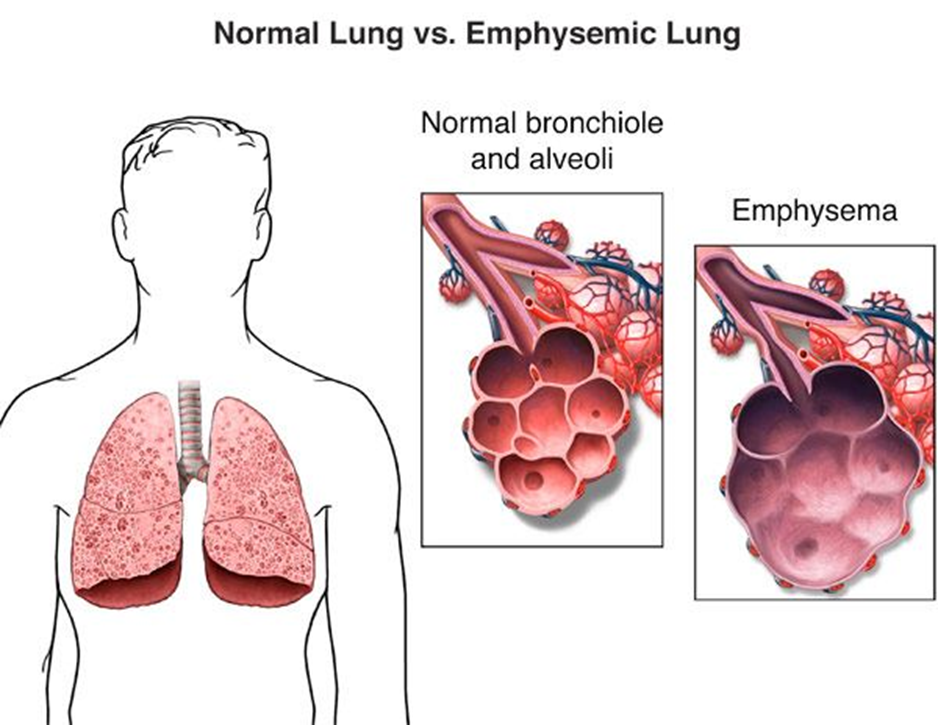
A nurse is caring for a client who has emphysema. Which of the following interventions should the nurse include in the client's plan of care?
A. Administer oxygen at 2 L/min.
Administering oxygen at 2 L/min is appropriate for clients with emphysema who have hypoxemia. Oxygen therapy should be titrated based on the client's oxygen saturation levels to avoid suppressing the respiratory drive.
B. Encourage use of incentive spirometry for 5 minutes every 2 hours.
The use of incentive spirometry is beneficial for clients with emphysema as it encourages deep breathing and helps prevent atelectasis. It is an appropriate intervention to include in the plan of care.
C. Teach the client a breathing exercise with a longer inhalation phase.
Breathing exercises for clients with emphysema typically focus on prolonging the exhalation phase, not the inhalation phase, to improve airway clearance and reduce the work of breathing.
D. Limit fluid intake to 1,000 mL per day.
Limiting fluid intake is not generally recommended for clients with emphysema unless there are specific contraindications. Adequate hydration can help thin secretions and improve mucus clearance.
Full Explanation
Choice A reason: Administering oxygen at 2 L/min is appropriate for clients with emphysema who have hypoxemia. Oxygen therapy should be titrated based on the client's oxygen saturation levels to avoid suppressing the respiratory drive.
Choice B reason: The use of incentive spirometry is beneficial for clients with emphysema as it encourages deep breathing and helps prevent atelectasis. It is an appropriate intervention to include in the plan of care.
Choice C reason: Breathing exercises for clients with emphysema typically focus on prolonging the exhalation phase, not the inhalation phase, to improve airway clearance and reduce the work of breathing.
Choice D reason: Limiting fluid intake is not generally recommended for clients with emphysema unless there are specific contraindications. Adequate hydration can help thin secretions and improve mucus clearance.