
Nursing practice questions with comprehensive rationales
NurseDive Free Nursing Practice Question
A nurse is providing discharge teaching to a client who has pulmonary tuberculosis and a new prescription for rifampin. Which of the following information should the nurse provide?
A. It is best to take the medication with meals.
Choice A reason: This is incorrect. It is not best to take medication with meals. Rifampin is better absorbed when taken on an empty stomach, at least 1 hour before or 2 hours after a meal. Taking rifampin with food can reduce its effectiveness and increase the risk of drug resistance. The nurse should advise the client to take the medication as directed by the doctor, and to avoid foods that can interact with rifampin, such as cheese, yogurt, or alcohol.
B. Treatment with this medication will last for 1 month.
Choice B reason: This is incorrect. Treatment with this medication will not last for 1 month. Rifampin is usually given as part of a combination therapy for pulmonary tuberculosis, along with other drugs such as isoniazid, pyrazinamide, and ethambutol. The standard treatment regimen for drug susceptible tuberculosis consists of an intensive phase of 2 months, followed by a continuation phase of 4 or 7 months, depending on the drug regimen and the patient's response. The nurse should inform the client about the duration and the importance of completing the full course of treatment, even if the symptoms improve or the tests become negative.
C. This medication can cause insomnia.
Choice C reason: This is incorrect. This medication does not cause insomnia. Rifampin does not affect the sleep cycle or the quality of sleep. However, rifampin can cause other side effects, such as nausea, vomiting, diarrhea, headache, or rash. The nurse should instruct the client to report any severe or persistent side effects to the doctor, and to avoid taking over-the-counter drugs or herbal supplements without consulting the doctor, as rifampin can interact with many other medications and reduce their effectiveness.
D. Urine and other secretions might turn orange.
Choice D reason: This is correct. Urine and other secretions might turn orange. Rifampin can cause a harmless discoloration of body fluids, such as urine, saliva, sweat, tears, or breast milk. The color can range from orange to red or brown, depending on the concentration of the drug and the pH of the fluid. The nurse should reassure the client that this is a normal and expected effect of rifampin, and that it does not indicate any damage to the kidneys or other organs. The nurse should also warn the client that rifampin can stain contact lenses, dentures, or clothing, and advise the client to use disposable lenses, remove dentures before taking the drug, and wear dark colored clothes.
This question is an excerpt from Nurse Dive's nursing test bank - Ati Pharmacology Proctored Exam. Take the full exam now
Full Explanation
Choice A reason: This is incorrect. It is not best to take medication with meals. Rifampin is better absorbed when taken on an empty stomach, at least 1 hour before or 2 hours after a meal. Taking rifampin with food can reduce its effectiveness and increase the risk of drug resistance. The nurse should advise the client to take the medication as directed by the doctor, and to avoid foods that can interact with rifampin, such as cheese, yogurt, or alcohol.
Choice B reason: This is incorrect. Treatment with this medication will not last for 1 month. Rifampin is usually given as part of a combination therapy for pulmonary tuberculosis, along with other drugs such as isoniazid, pyrazinamide, and ethambutol. The standard treatment regimen for drug susceptible tuberculosis consists of an intensive phase of 2 months, followed by a continuation phase of 4 or 7 months, depending on the drug regimen and the patient's response. The nurse should inform the client about the duration and the importance of completing the full course of treatment, even if the symptoms improve or the tests become negative.
Choice C reason: This is incorrect. This medication does not cause insomnia. Rifampin does not affect the sleep cycle or the quality of sleep. However, rifampin can cause other side effects, such as nausea, vomiting, diarrhea, headache, or rash. The nurse should instruct the client to report any severe or persistent side effects to the doctor, and to avoid taking over-the-counter drugs or herbal supplements without consulting the doctor, as rifampin can interact with many other medications and reduce their effectiveness.
Choice D reason: This is correct. Urine and other secretions might turn orange. Rifampin can cause a harmless discoloration of body fluids, such as urine, saliva, sweat, tears, or breast milk. The color can range from orange to red or brown, depending on the concentration of the drug and the pH of the fluid. The nurse should reassure the client that this is a normal and expected effect of rifampin, and that it does not indicate any damage to the kidneys or other organs. The nurse should also warn the client that rifampin can stain contact lenses, dentures, or clothing, and advise the client to use disposable lenses, remove dentures before taking the drug, and wear dark colored clothes.
Similar Questions
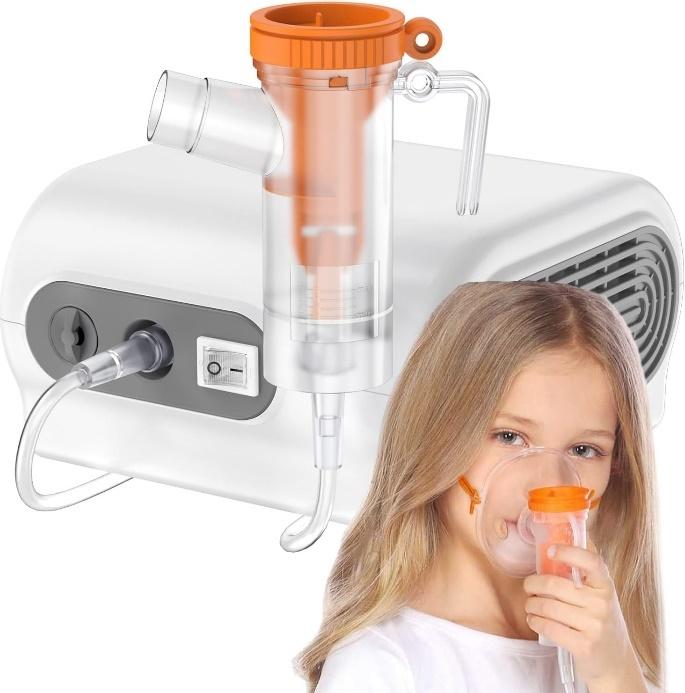
A nurse is providing discharge teaching to a client who has asthma and new prescriptions for cromolyn and albuterol, both by nebulizer. Which of the following statements by the client indicates an understanding of the teaching?
A. I will be sure to take the albuterol before taking the cromolyn.
This is incorrect. Taking the albuterol before taking the cromolyn is not necessary. Albuterol and cromolyn are both used to treat asthma, but they have different mechanisms of action. Albuterol is a bronchodilator that relaxes the muscles around the airways and opens them up, making it easier to breathe. Cromolyn is a mast cell stabilizer that prevents the release of substances that cause inflammation and allergy symptoms in the airways. Albuterol is used to relieve acute asthma attacks, while cromolyn is used to prevent chronic asthma symptoms. The nurse should advise the client to use albuterol as needed for quick relief, and to use cromolyn regularly as prescribed to prevent asthma flareups.
B. I will use both medications immediately after exercising.
Choice B reason: This is incorrect. Using both medications immediately after exercising is not recommended. Exercise can trigger asthma symptoms in some people, such as wheezing, coughing, or shortness of breath. This is called exercise induced bronchoconstriction (EIB) or exercise induced asthma (EIA). The nurse should advise the client to use albuterol 15 to 30 minutes before exercising to prevent EIB or EIA, and to avoid exercising in cold, dry, or polluted air. The nurse should also instruct the client to use cromolyn at least 15 minutes before exercising, as it takes time to work and does not provide immediate relief. The nurse should also tell the client to stop exercising and use albuterol if asthma symptoms occur during or after exercising.
C. If my breathing begins to feel tight, I will use the cromolyn immediately.
Choice C reason: This is incorrect. Using cromolyn immediately if the breathing begins to feel tight is not effective. Cromolyn is not a rescue medication that can provide quick relief of asthma symptoms. It is a preventive medication that works by reducing the inflammation and sensitivity of the airways over time. The nurse should advise the client to use albuterol instead of cromolyn if the breathing begins to feel tight, as albuterol can rapidly open up the airways and ease the breathing. The nurse should also instruct the client to seek medical attention if the albuterol does not work or if the symptoms get worse.
D. I will administer the medications 10 minutes apart.
Choice D reason: This is correct. Administering the medications 10 minutes apart is good practice. Cromolyn and albuterol can be used together to treat asthma, but they should not be mixed in the same nebulizer, as they may not be compatible and may lose their effectiveness. The nurse should instruct the client to use separate nebulizers for each medication, and to wait at least 10 minutes between each nebulization to allow the medication to reach the lungs and avoid irritation of the airways. The nurse should also teach the client how to use the nebulizer properly, and how to clean and store it after each use.
Full Explanation
Choice A reason: This is incorrect. Taking the albuterol before taking the cromolyn is not necessary. Albuterol and cromolyn are both used to treat asthma, but they have different mechanisms of action. Albuterol is a bronchodilator that relaxes the muscles around the airways and opens them up, making it easier to breathe. Cromolyn is a mast cell stabilizer that prevents the release of substances that cause inflammation and allergy symptoms in the airways. Albuterol is used to relieve acute asthma attacks, while cromolyn is used to prevent chronic asthma symptoms. The nurse should advise the client to use albuterol as needed for quick relief, and to use cromolyn regularly as prescribed to prevent asthma flareups.
Choice B reason: This is incorrect. Using both medications immediately after exercising is not recommended. Exercise can trigger asthma symptoms in some people, such as wheezing, coughing, or shortness of breath. This is called exercise induced bronchoconstriction (EIB) or exercise induced asthma (EIA). The nurse should advise the client to use albuterol 15 to 30 minutes before exercising to prevent EIB or EIA, and to avoid exercising in cold, dry, or polluted air. The nurse should also instruct the client to use cromolyn at least 15 minutes before exercising, as it takes time to work and does not provide immediate relief. The nurse should also tell the client to stop exercising and use albuterol if asthma symptoms occur during or after exercising.
Choice C reason: This is incorrect. Using cromolyn immediately if the breathing begins to feel tight is not effective. Cromolyn is not a rescue medication that can provide quick relief of asthma symptoms. It is a preventive medication that works by reducing the inflammation and sensitivity of the airways over time. The nurse should advise the client to use albuterol instead of cromolyn if the breathing begins to feel tight, as albuterol can rapidly open up the airways and ease the breathing. The nurse should also instruct the client to seek medical attention if the albuterol does not work or if the symptoms get worse.
Choice D reason: This is correct. Administering the medications 10 minutes apart is good practice. Cromolyn and albuterol can be used together to treat asthma, but they should not be mixed in the same nebulizer, as they may not be compatible and may lose their effectiveness. The nurse should instruct the client to use separate nebulizers for each medication, and to wait at least 10 minutes between each nebulization to allow the medication to reach the lungs and avoid irritation of the airways. The nurse should also teach the client how to use the nebulizer properly, and how to clean and store it after each use.
A nurse is assessing a client who is 1 day postoperative following a lobectomy and has a chest tube drainage system in place. Which of the following findings by the nurse indicates a need for intervention?
A. Development of subcutaneous emphysema
Choice A: Development of subcutaneous emphysema Reason: Subcutaneous emphysema occurs when air gets trapped under the skin, often due to a leak from the lung or chest tube. This can indicate a serious complication such as a pneumothorax or a malfunctioning chest tube, requiring immediate medical intervention. The presence of subcutaneous emphysema can lead to discomfort, respiratory distress, and further complications if not addressed promptly.
B. Chest tube eyelets not visible
Choice B: Chest tube eyelets not visible Reason: The eyelets of a chest tube are small holes at the end of the tube that allow air and fluid to drain from the pleural space. These eyelets are typically covered by a dressing and may not be visible. This is not necessarily a cause for concern unless there are other signs of malfunction or complications.
C. Continuous bubbling in the suction control chamber
Choice C: Continuous bubbling in the suction control chamber Reason: Continuous bubbling in the suction control chamber is expected and indicates that the suction is functioning properly. It does not indicate a problem unless the bubbling is in the water seal chamber, which would suggest an air leak.
D. Presence of tidal fluctuation in the water seal chamber
Choice D: Presence of tidal fluctuation in the water seal chamber Reason: Tidal fluctuation, or tidaling, in the water seal chamber is a normal finding. It indicates that the chest tube is patent and functioning correctly, as the water level rises with inhalation and falls with exhalation. The absence of tidaling could indicate a blockage or that the lung has fully re-expanded.
Full Explanation
The correct answer is: a. Development of subcutaneous emphysema
Choice A: Development of subcutaneous emphysema
Reason: Subcutaneous emphysema occurs when air gets trapped under the skin, often due to a leak from the lung or chest tube. This can indicate a serious complication such as a pneumothorax or a malfunctioning chest tube, requiring immediate medical intervention. The presence of subcutaneous emphysema can lead to discomfort, respiratory distress, and further complications if not addressed promptly.
Choice B: Chest tube eyelets not visible
Reason: The eyelets of a chest tube are small holes at the end of the tube that allow air and fluid to drain from the pleural space. These eyelets are typically covered by a dressing and may not be visible. This is not necessarily a cause for concern unless there are other signs of malfunction or complications.
Choice C: Continuous bubbling in the suction control chamber
Reason: Continuous bubbling in the suction control chamber is expected and indicates that the suction is functioning properly. It does not indicate a problem unless the bubbling is in the water seal chamber, which would suggest an air leak.
Choice D: Presence of tidal fluctuation in the water seal chamber
Reason: Tidal fluctuation, or tidaling, in the water seal chamber is a normal finding. It indicates that the chest tube is patent and functioning correctly, as the water level rises with inhalation and falls with exhalation. The absence of tidaling could indicate a blockage or that the lung has fully re-expanded.
A nurse is caring for a child who is experiencing status asthmaticus. Which of the following interventions is the priority for the nurse to take?
A. Administer inhaled glucocorticoid.
Administering an inhaled glucocorticoid is not the priority intervention for a child with status asthmaticus. Inhaled glucocorticoids are anti-inflammatory drugs that reduce airway inflammation and prevent asthma attacks, but they do not provide immediate relief of bronchoconstriction.
B. Administer a short acting beta agonist (SABA).
Administering a short acting beta agonist (SABA) is the priority intervention for a child with status asthmaticus. SABAs are bronchodilators that relax the smooth muscles of the airways and improve airflow within minutes. They are the first line treatment for acute asthma symptoms and exacerbations.
C. Determine the cause of the acute exacerbation.
Determining the cause of the acute exacerbation is not the priority intervention for a child with status asthmaticus. While it is important to identify and avoid potential triggers of asthma, such as allergens, infections, or stress, this is not an urgent action during a severe asthma attack.
D. Obtain a peak flow reading
Obtaining a peak flow reading is not the priority intervention for a child with status asthmaticus. Peak flow is a measure of how quickly the child can blow air out of the lungs, and it can indicate the degree of airway obstruction. However, peak flow measurement is not reliable or feasible during a severe asthma attack, and it should not delay the administration of bronchodilators.
Full Explanation
Choice A reason: Administering an inhaled glucocorticoid is not the priority intervention for a child with status asthmaticus. Inhaled glucocorticoids are anti-inflammatory drugs that reduce airway inflammation and prevent asthma attacks, but they do not provide immediate relief of bronchoconstriction.
Choice B reason: Administering a short acting beta agonist (SABA) is the priority intervention for a child with status asthmaticus. SABAs are bronchodilators that relax the smooth muscles of the airways and improve airflow within minutes. They are the first line treatment for acute asthma symptoms and exacerbations.
Choice C reason: Determining the cause of the acute exacerbation is not the priority intervention for a child with status asthmaticus. While it is important to identify and avoid potential triggers of asthma, such as allergens, infections, or stress, this is not an urgent action during a severe asthma attack.
Choice D reason: Obtaining a peak flow reading is not the priority intervention for a child with status asthmaticus. Peak flow is a measure of how quickly the child can blow air out of the lungs, and it can indicate the degree of airway obstruction. However, peak flow measurement is not reliable or feasible during a severe asthma attack, and it should not delay the administration of bronchodilators.