Nursing practice questions with comprehensive rationales
NurseDive Free Nursing Practice Question
A nurse is assisting with the care of a client in a PACU. Provider Prescriptions
1100:
Oxygen 2 to 5 L/min via nasal cannula to maintain oxygen saturation greater than 92%.
Which of the following actions should the nurse take during the management of oxygenation for this client? Select all that apply.
A. Place the client in the supine position.
-
B. Prepare to administer oxygen via Venturi face mask.
-
C. Add a humidifier to the oxygen device.
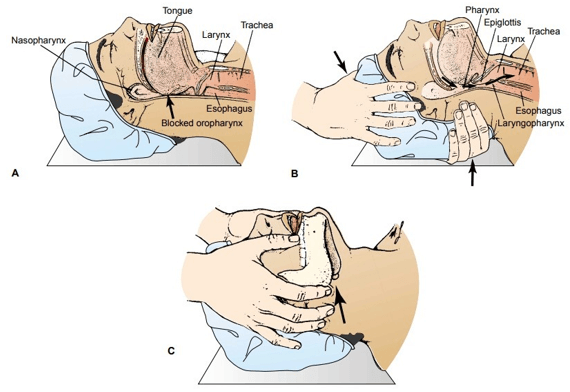
When managing oxygenation for a client in a PACU, the nurse should take several actions. The nurse should add a humidifier to the oxygen device to help prevent dryness of the nasal passages¹.
D. Encourage client to perform deep breathing exercises.
The nurse should also encourage the client to perform deep breathing exercises to promote oxygenation¹.
E. Examine the client's nail beds.
The nurse should examine the client's nail beds for signs of cyanosis, which can indicate inadequate oxygenation¹.
This question is an excerpt from Nurse Dive's nursing test bank - PN Comprehensive Predictor PN 2020 Proctored Exam. Take the full exam now
Full Explanation
When managing oxygenation for a client in a PACU, the nurse should take several actions. The nurse should add a humidifier to the oxygen device to help prevent dryness of the nasal passages¹.
The nurse should also encourage the client to perform deep breathing exercises to promote oxygenation¹.
Additionally, the nurse should examine the client's nail beds for signs of cyanosis, which can indicate inadequate oxygenation¹.
Similar Questions
A nurse is collecting data from a client who has pyelonephritis and is receiving gentamicin via IV infusion.
Which of the following manifestations should the nurse identify as an adverse effect of the treatment?
A. Slurred speech
-
B. Hypotension
-
C. New onset of hearing loss
When collecting data from a client who is receiving gentamicin via IV infusion, the nurse should identify new onset of hearing loss as an adverse effect of the treatment¹.
D. Hyperthermia
-
Full Explanation
c. New onset of hearing loss.
When collecting data from a client who is receiving gentamicin via IV infusion, the nurse should identify new onset of hearing loss as an adverse effect of the treatment¹. Gentamicin can cause vestibulocochlear nerve damage, which can affect hearing and balance¹.
A nurse is collecting data from a client who has heart failure and is taking furosemide.
Which of the following findings should indicate to the nurse that the medication is effective?
A. Decreased hemoglobin level
-
B. Increased urinary output
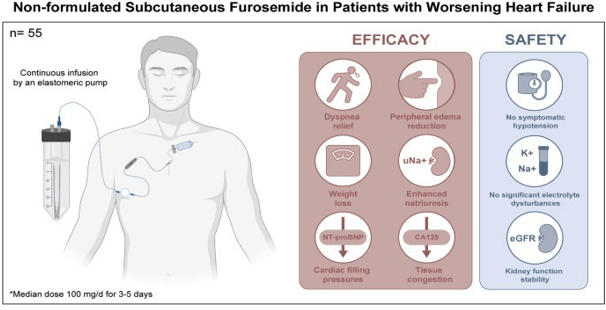
Furosemide is a diuretic medication that helps remove excess fluid from the body by increasing urine production and output. In a client with heart failure, one of the indicators that the medication is effective is an increase in urinary output. This can help reduce fluid buildup in the body, which can improve symptoms of heart failure.
C. Decreased BUN level
-
D. Increased weight of 0.91 kg (2 lb)
-
Full Explanation
b. Increased urinary output.
Furosemide is a diuretic medication that helps remove excess fluid from the body by increasing urine production and output. In a client with heart failure, one of the indicators that the medication is effective is an increase in urinary output. This can help reduce fluid buildup in the body, which can improve symptoms of heart failure.
A nurse is caring for a client who has dementia.
Which of the following findings should the nurse expect?
A. Memory loss that disrupts ADLs
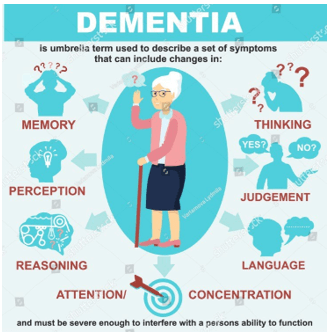
Dementia is a condition characterized by a decline in cognitive function that affects a person's ability to perform activities of daily living (ADLs). Memory loss is a common symptom of dementia, particularly in the early stages. The memory loss can disrupt a person's ability to carry out tasks they were previously able to do independently, such as dressing, bathing, and eating.
B. Catatonia
Is a condition characterized by a lack of movement or activity, which is not typically associated with dementia.
C. Illusions
Involve a misinterpretation of sensory information and may occur in some forms of dementia but are not a defining feature.
D. Pressured speech
Is a symptom commonly associated with mania or bipolar disorder, but is not typically seen in dementia.
Full Explanation
a. Memory loss that disrupts ADLs
Explanation: Dementia is a condition characterized by a decline in cognitive function that affects a person's ability to perform activities of daily living (ADLs). Memory loss is a common symptom of dementia, particularly in the early stages. The memory loss can disrupt a person's ability to carry out tasks they were previously able to do independently, such as dressing, bathing, and eating. Therefore, option a is the correct answer.
Option b, catatonia, is a condition characterized by a lack of movement or activity, which is not typically associated with dementia.
Option c, illusions, involve a misinterpretation of sensory information and may occur in some forms of dementia but are not a defining feature.
Option d, pressured speech, is a symptom commonly associated with mania or bipolar disorder, but is not typically seen in dementia.