
Nursing practice questions with comprehensive rationales
NurseDive Free Nursing Practice Question
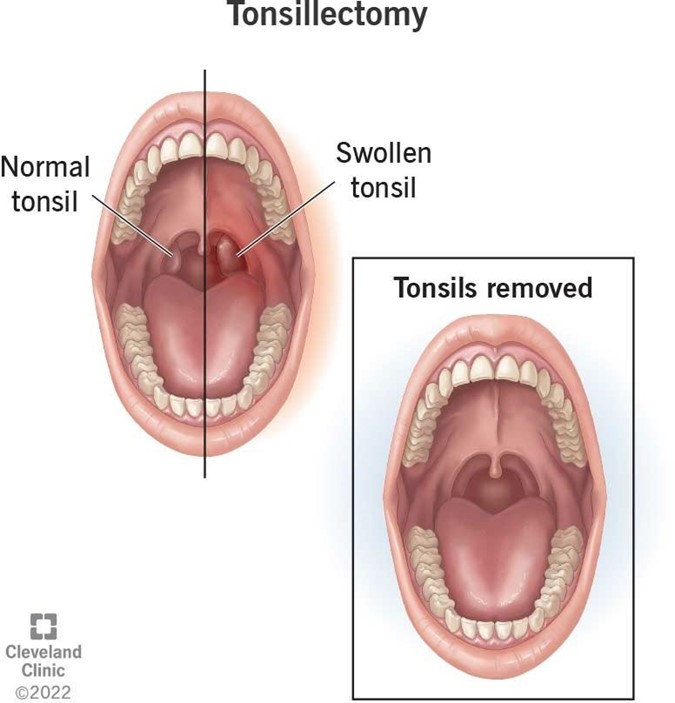
A nurse is caring for a child who is 2 hours postoperative following a tonsillectomy. Which of the following fluid items should the nurse offer the child at this time?
A. Cranberry juice
Cranberry juice is not a suitable fluid item to offer the child at this time, as it is acidic and can irritate the throat and cause pain or bleeding. Cranberry juice can also stain the surgical site and make it difficult to assess for signs of hemorrhage.
B. Crushed ice
Crushed ice is a suitable fluid item to offer the child at this time, as it is cold and can soothe the throat and reduce swelling or inflammation. Crushed ice can also hydrate the child and prevent dehydration.
C. Orange juice
Orange juice is not a suitable fluid item to offer the child at this time, as it is acidic and can irritate the throat and cause pain or bleeding. Orange juice can also interfere with the clotting process and increase the risk of hemorrhage.
D. Strawberry milkshake
A strawberry milkshake is not a suitable fluid item to offer the child at this time, as it contains dairy products and can increase mucus production and cause coughing or gagging. A strawberry milkshake can also stain the surgical site and make it difficult to assess for signs of hemorrhage.
This question is an excerpt from Nurse Dive's nursing test bank - ATI Pediatric Proctored Exam 3. Take the full exam now
Full Explanation
Choice A: Cranberry juice is not a suitable fluid item to offer the child at this time, as it is acidic and can irritate the throat and cause pain or bleeding. Cranberry juice can also stain the surgical site and make it difficult to assess for signs of hemorrhage.
Choice B: Crushed ice is a suitable fluid item to offer the child at this time, as it is cold and can soothe the throat and
reduce swelling or inflammation. Crushed ice can also hydrate the child and prevent dehydration.
Choice C: Orange juice is not a suitable fluid item to offer the child at this time, as it is acidic and can irritate the throat and cause pain or bleeding. Orange juice can also interfere with the clotting process and increase the risk of hemorrhage.
Choice D: A strawberry milkshake is not a suitable fluid item to offer the child at this time, as it contains dairy products and can increase mucus production and cause coughing or gagging. A strawberry milkshake can also stain the surgical site and make it difficult to assess for signs of hemorrhage.
Similar Questions
A nurse is teaching a school-age child who has type 1 diabetes mellitus and his parents about illness management. Which of the following instructions should the nurse include?
A. "Withhold insulin dose if feeling nauseous."
This instruction is incorrect, as withholding insulin dose if feeling nauseous can cause hyperglycemia, which is high blood sugar, and diabetic ketoacidosis, which is a life-threatening condition that occurs when the body breaks down fat for energy and produces ketones. Ketones are acidic substances that can cause nausea, vomiting, abdominal pain, dehydration, or coma. The child should take their insulin dose as prescribed and monitor their blood sugar levels more frequently when they are sick.
B. "Notify the provider if blood glucose levels are within normal parameters."
This instruction is unnecessary, as notifying the provider if blood glucose levels are within normal parameters does not require any action or intervention. The child and the parents should notify the provider if blood glucose levels are above or below the target range, which is usually 70 to 180 mg/dL for children with type 1 diabetes mellitus. The child and the parents should also notify the provider if they have any signs or symptoms of hypoglycemia, hyperglycemia, or diabetic ketoacidosis.
C. "Limit fluid intake during meal time."
This instruction is incorrect, as limiting fluid intake during mealtime can cause dehydration, which can worsen the symptoms and complications of type 1 diabetes mellitus. Dehydration can cause increased thirst, dry mouth, fatigue, headache, or dizziness. The child should drink plenty of fluids during meal time and throughout the day to hydrate their body and flush out excess glucose and ketones.
D. "Test the urine for ketones."
This instruction is correct, as testing the urine for ketones can help detect diabetic ketoacidosis, which is a life-threatening condition that occurs when the body breaks down fat for energy and produces ketones. Ketones are acidic substances that can cause nausea, vomiting, abdominal pain, dehydration, or coma. The child should test their urine for ketones when their blood sugar levels are above 240 mg/dL or when they are sick. The child and the parents should notify the provider if the urine test shows moderate or large amounts of ketones.
Full Explanation
Choice A: This instruction is incorrect, as withholding insulin dose if feeling nauseous can cause hyperglycemia, which is high blood sugar, and diabetic ketoacidosis, which is a life-threatening condition that occurs when the body breaks down fat for energy and produces ketones. Ketones are acidic substances that can cause nausea, vomiting, abdominal pain, dehydration, or coma. The child should take their insulin dose as prescribed and monitor their blood sugar levels more frequently when they are sick.
Choice B: This instruction is unnecessary, as notifying the provider if blood glucose levels are within normal parameters does not require any action or intervention. The child and the parents should notify the provider if blood glucose levels are above or below the target range, which is usually 70 to 180 mg/dL for children with type 1 diabetes mellitus. The child and the parents should also notify the provider if they have any signs or symptoms of hypoglycemia, hyperglycemia, or diabetic ketoacidosis.
Choice C: This instruction is incorrect, as limiting fluid intake during mealtime can cause dehydration, which can worsen the symptoms and complications of type 1 diabetes mellitus. Dehydration can cause increased thirst, dry mouth, fatigue, headache, or dizziness. The child should drink plenty of fluids during meal time and throughout the day to hydrate their body and flush out excess glucose and ketones.
Choice D: This instruction is correct, as testing the urine for ketones can help detect diabetic ketoacidosis, which is a life-threatening condition that occurs when the body breaks down fat for energy and produces ketones. Ketones are acidic substances that can cause nausea, vomiting, abdominal pain, dehydration, or coma. The child should test their urine for ketones when their blood sugar levels are above 240 mg/dL or when they are sick. The child and the parents should notify the provider if the urine test shows moderate or large amounts of ketones.
A nurse is caring for a 6-week-old infant who has pyloric stenosis. Which of the following clinical manifestations should the nurse expect?
A. Distended neck veins
Distended neck veins are not a clinical manifestation of pyloric stenosis, which is a condition that causes the narrowing of the pylorus, which is the opening between the stomach and the small intestine. Distended neck veins are a sign of increased venous pressure, which can occur in conditions that affect the right side of the heart or cause fluid overload.
B. Rigid abdomen
Rigid abdomen is not a clinical manifestation of pyloric stenosis, but rather a sign of peritonitis, which is inflammation of the peritoneum, which is the membrane that lines the abdominal cavity. Peritonitis can be caused by infection, perforation, or trauma to any abdominal organ. A rigid abdomen indicates severe pain and inflammation in the abdominal cavity.
C. Projectile vomiting
Projectile vomiting is a clinical manifestation of pyloric stenosis, as it indicates forceful expulsion of stomach contents due to obstruction at the pylorus. Projectile vomiting can occur shortly after feeding and may contain undigested milk or formula. Projectile vomiting can cause dehydration, electrolyte imbalance, or weight loss.
D. Red currant jelly stools
Red currant jelly stools are not a clinical manifestation of pyloric stenosis, but rather a sign of intussusception, which is a condition that causes telescoping of one segment of bowel into another. Intussusception can cause obstruction and ischemia of the bowel and lead to bleeding and necrosis. Red currant jelly stools indicate blood and mucus in the stool.
Full Explanation
Choice A: Distended neck veins are not a clinical manifestation of pyloric stenosis, which is a condition that causes the narrowing of the pylorus, which is the opening between the stomach and the small intestine. Distended neck veins are a sign of increased venous pressure, which can occur in conditions that affect the right side of the heart or cause fluid overload.
Choice B: Rigid abdomen is not a clinical manifestation of pyloric stenosis, but rather a sign of peritonitis, which is inflammation of the peritoneum, which is the membrane that lines the abdominal cavity. Peritonitis can be caused by infection, perforation, or trauma to any abdominal organ. A rigid abdomen indicates severe pain and inflammation in the abdominal cavity.
Choice C: Projectile vomiting is a clinical manifestation of pyloric stenosis, as it indicates forceful expulsion of stomach contents due to obstruction at the pylorus. Projectile vomiting can occur shortly after feeding and may contain undigested milk or formula. Projectile vomiting can cause dehydration, electrolyte imbalance, or weight loss.
Choice D: Red currant jelly stools are not a clinical manifestation of pyloric stenosis, but rather a sign of intussusception, which is a condition that causes telescoping of one segment of bowel into another. Intussusception can cause obstruction and ischemia of the bowel and lead to bleeding and necrosis. Red currant jelly stools indicate blood and mucus in the stool.
A nurse in a clinic is assessing a 7-month-old infant. Which of the following indicates a need for further evaluation?
A. Uses a pincer grasp
Using a pincer grasp indicates a need for further evaluation, as it is a developmental milestone that is usually achieved by 9 to 10 months of age. A pincer grasp is the ability to pick up small objects using the thumb and index finger. A 7-month-old infant should be able to use a raking grasp, which is the ability to scoop up objects using all fingers.
B. Has a fear of strangers
Having a fear of strangers does not indicate a need for further evaluation, as it is a normal and expected behavior for a 7-month-old infant. A fear of strangers is a sign of attachment and recognition of familiar and unfamiliar faces. A 7-month-old infant may cry, cling, or turn away from strangers.
C. Shows preferences towards foods
Showing preferences towards foods does not indicate a need for further evaluation, as it is a normal and expected behavior for a 7-month-old infant. Showing preferences towards foods is a sign of individuality and taste development. A 7-month-old infant may accept or reject certain foods based on their flavor, texture, or appearance.
D. Babbles one-syllable sounds
Babbling one-syllable sounds does not indicate a need for further evaluation, as it is a normal and expected behavior for a 7-month-old infant. Babbling one-syllable sounds is a sign of language and communication development. A 7-month-old infant may make sounds such as "ba", "da", "ga", or "ma".
Full Explanation
Choice A: Using a pincer grasp indicates a need for further evaluation, as it is a developmental milestone that is usually achieved by 9 to 10 months of age. A pincer grasp is the ability to pick up small objects using the thumb and index finger. A 7-month-old infant should be able to use a raking grasp, which is the ability to scoop up objects using all fingers.
Choice B: Having a fear of strangers does not indicate a need for further evaluation, as it is a normal and expected behavior for a 7-month-old infant. A fear of strangers is a sign of attachment and recognition of familiar and unfamiliar faces. A 7-month-old infant may cry, cling, or turn away from strangers.
Choice C: Showing preferences towards foods does not indicate a need for further evaluation, as it is a normal and expected behavior for a 7-month-old infant. Showing preferences towards foods is a sign of individuality and taste development. A 7-month-old infant may accept or reject certain foods based on their flavor, texture, or appearance.
Choice D: Babbling one-syllable sounds does not indicate a need for further evaluation, as it is a normal and expected behavior for a 7-month-old infant. Babbling one-syllable sounds is a sign of language and communication development. A 7-month-old infant may make sounds such as "ba", "da", "ga", or "ma".