
Nursing practice questions with comprehensive rationales
NurseDive Free Nursing Practice Question
A nurse is caring for a client who has an intracranial pressure (ICP) reading of 40 mm Hg. Which of the following findings should the nurse identify as a late sign of ICP? (Select all that apply.)
A. Slurred speech.
Slurred speech can be associated with increased ICP due to the pressure effects on the brain areas responsible for speech production. However, it is not typically considered a late sign of increased ICP. It may occur earlier in the progression as the brain's ability to coordinate muscle movements is affected.
B. Bradycardia with a bounding pulse.
Bradycardia with a bounding pulse is a classic sign of Cushing's triad, which is a late and ominous sign of significantly increased ICP. It indicates that the body is attempting to increase arterial blood pressure to overcome the increased ICP and maintain cerebral perfusion. The normal range for adult heart rate is 60-100 beats per minute.
C. Confusion.
Confusion can be an early sign of increased ICP as it can indicate changes in cerebral function. However, it is not specifically a late sign of increased ICP. Early signs of increased ICP can include headache, nausea, and confusion, as the brain is initially responding to the pressure changes.
D. Hypertension with an increasing pulse pressure.
Hypertension with an increasing pulse pressure is another component of Cushing's triad. It reflects the body's compensatory mechanism to preserve cerebral blood flow in the face of rising ICP. An increasing pulse pressure (the difference between systolic and diastolic blood pressure) is a late sign of increased ICP. Normal pulse pressure is typically 30-40 mm Hg.
E. Nonreactive dilated pupils.
Nonreactive dilated pupils are a late sign of increased ICP and indicate pressure on the cranial nerves that control pupil size and reaction to light. This is a grave sign and often indicates impending brain herniation.
F. Hypotension with a decreasing pulse pressure.
Hypotension with a decreasing pulse pressure is not typically associated with increased ICP. In fact, hypertension with a widening pulse pressure would be more indicative of increased ICP as part of Cushing's triad.
This question is an excerpt from Nurse Dive's nursing test bank - ATI Med Surg Proctored Exam 4. Take the full exam now
Full Explanation
The correct answers are b, d, and e.
Choice A: Slurred speech.
Slurred speech can be associated with increased ICP due to the pressure effects on the brain areas responsible for speech production. However, it is not typically considered a late sign of increased ICP. It may occur earlier in the progression as the brain's ability to coordinate muscle movements is affected.
Choice B: Bradycardia with a bounding pulse.
Bradycardia with a bounding pulse is a classic sign of Cushing's triad, which is a late and ominous sign of significantly increased ICP. It indicates that the body is attempting to increase arterial blood pressure to overcome the increased ICP and maintain cerebral perfusion. The normal range for adult heart rate is 60-100 beats per minute.
Choice C: Confusion.
Confusion can be an early sign of increased ICP as it can indicate changes in cerebral function. However, it is not specifically a late sign of increased ICP. Early signs of increased ICP can include headache, nausea, and confusion, as the brain is initially responding to the pressure changes.
Choice D: Hypertension with an increasing pulse pressure.
Hypertension with an increasing pulse pressure is another component of Cushing's triad. It reflects the body's compensatory mechanism to preserve cerebral blood flow in the face of rising ICP. An increasing pulse pressure (the difference between systolic and diastolic blood pressure) is a late sign of increased ICP. Normal pulse pressure is typically 30-40 mm Hg.
Choice E: Nonreactive dilated pupils.
Nonreactive dilated pupils are a late sign of increased ICP and indicate pressure on the cranial nerves that control pupil size and reaction to light. This is a grave sign and often indicates impending brain herniation.
Choice F: Hypotension with a decreasing pulse pressure.
Hypotension with a decreasing pulse pressure is not typically associated with increased ICP. In fact, hypertension with a widening pulse pressure would be more indicative of increased ICP as part of Cushing's triad.
Similar Questions
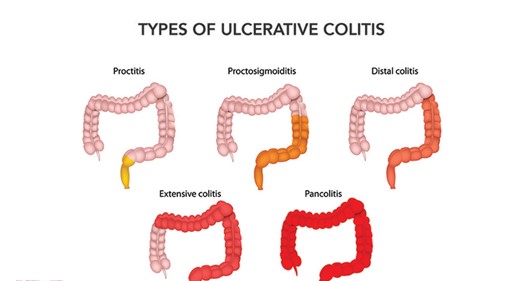
A nurse is caring for a client who has ulcerative colitis and is teaching the client about the common link with Crohn's disease. Which of the following information should the nurse include?
A. Both are inflammatory.
reason: This is the correct answer because both ulcerative colitis and Crohn's disease are inflammatory bowel diseases (IBD) that cause chronic inflammation of the digestive tract. The inflammation can cause symptoms such as abdominal pain, diarrhea, bleeding, weight loss, or fever. The nurse should educate the client on how to manage inflammation and prevent complications.
B. Both affect the entire alimentary canal.
reason: This is incorrect because both ulcerative colitis and Crohn's disease do not affect the entire alimentary canal, but different parts of it. Ulcerative colitis affects only the colon (large intestine) and rectum, while Crohn's disease can affect any part of the digestive tract from mouth to anus, most commonly the ileum (the last part of the small intestine). The nurse should explain the differences in location and extent of the diseases.
C. Both will require a bowel diversion.
reason: This is incorrect because both ulcerative colitis and Crohn's disease do not always require a bowel diversion, but only in some cases. A bowel diversion is a surgical procedure that creates an opening (stoma) in the abdomen to divert fecal matter into an external bag or pouch. It may be done to treat severe complications such as perforation, obstruction, fistula, or cancer. The nurse should inform the client about the indications, types, and care of bowel diversions.
D. Both disorders are caused by low-fat, high-fiber diets.
reason: This is incorrect because both ulcerative colitis and Crohn's disease are not caused by low-fat, high-fiber diets, but by unknown factors. The exact causes of IBD are not clear, but they may involve genetic, immune, environmental, or microbial factors. Low-fat, high-fiber diets may help prevent or reduce symptoms of IBD, but they do not cause them. The nurse should advise the client on how to follow a balanced and nutritious diet that suits their individual needs and preferences.
Full Explanation
Choice A reason: This is the correct answer because both ulcerative colitis and Crohn's disease are inflammatory bowel diseases (IBD) that cause chronic inflammation of the digestive tract. The inflammation can cause symptoms such as abdominal pain, diarrhea, bleeding, weight loss, or fever. The nurse should educate the client on how to manage inflammation and prevent complications.
Choice B reason: This is incorrect because both ulcerative colitis and Crohn's disease do not affect the entire alimentary canal, but different parts of it. Ulcerative colitis affects only the colon (large intestine) and rectum, while Crohn's disease can affect any part of the digestive tract from mouth to anus, most commonly the ileum (the last part of the small intestine). The nurse should explain the differences in location and extent of
the diseases.
Choice C reason: This is incorrect because both ulcerative colitis and Crohn's disease do not always require a bowel diversion, but only in some cases. A bowel diversion is a surgical procedure that creates an opening (stoma) in the abdomen to divert fecal matter into an external bag or pouch. It may be done to treat severe complications such as perforation, obstruction, fistula, or cancer. The nurse should inform the client about the indications, types, and care of bowel diversions.
Choice D reason: This is incorrect because both ulcerative colitis and Crohn's disease are not caused by low-fat, high-fiber diets, but by unknown factors. The exact causes of IBD are not clear, but they may involve genetic, immune, environmental, or microbial factors. Low-fat, high-fiber diets may help prevent or reduce symptoms of IBD, but they do not cause them. The nurse should advise the client on how to follow a balanced and nutritious diet that suits their individual needs and preferences.
A client with red scaling papules on his elbows, knees, lower back, and scalp arrives to the clinic. Which of the following questions will the nurse include in her assessment?
A. Do the lesions hurt?
reason: This is the correct answer because this question will help the nurse assess the pain level and discomfort of the client with red scaling papules. Red scaling papules are raised skin lesions that are red and covered with scales. They can indicate psoriasis, which is a chronic skin condition that causes inflammation and rapid turnover of skin cells. Psoriasis can cause pain, itching, burning, or stinging sensations in the affected areas. The nurse should ask the client to rate their pain on a numeric or descriptive scale and provide analgesics or topical agents as prescribed.
B. Do the lesions worsen when you eat certain foods?
reason: This is incorrect because this question will not help the nurse assess the condition of the client with red scaling papules. Red scaling papules are not affected by food intake but by other factors such as stress, infection, injury, or medication. Psoriasis is not an allergic or dietary disorder, but an immune-mediated disorder that causes abnormal skin cell growth. The nurse should ask the client about their medical history, current medications, and triggers or aggravating factors for their psoriasis.
C. Have you noticed a decrease in lesions after starting antibiotics?
reason: This is incorrect because this question will not help the nurse assess the condition of the client with red scaling papules. Red scaling papules are not treated with antibiotics but with other medications such as corticosteroids, immunosuppressants, or biologics. Antibiotics are used to treat bacterial infections, which are not the cause of psoriasis. The nurse should ask the client about their treatment regimen, compliance, and effectiveness for their psoriasis.
D. How do you spend your weekends?
reason: This is incorrect because this question will not help the nurse assess the condition of the client with red scaling papules. Red scaling papules are not related to weekend activities but to chronic skin inflammation and abnormal cell turnover. Psoriasis is not a lifestyle disorder, but a genetic disorder that can be influenced by environmental factors. The nurse should ask the client about their family history, exposure to sun or cold, and stress level for their psoriasis.
Full Explanation
Choice A reason: This is the correct answer because this question will help the nurse assess the pain level and discomfort of the client with red scaling papules. Red scaling papules are raised skin lesions that are red and covered with scales. They can indicate psoriasis, which is a chronic skin condition that causes inflammation and rapid turnover of skin cells. Psoriasis can cause pain, itching, burning, or stinging sensations in the affected areas. The nurse should ask the client to rate their pain on a numeric or descriptive scale and provide analgesics or topical agents as prescribed.
Choice B reason: This is incorrect because this question will not help the nurse assess the condition of the client with red scaling papules. Red scaling papules are not affected by food intake but by other factors such as stress, infection, injury, or medication. Psoriasis is not an allergic or dietary disorder, but an immune-mediated disorder that causes abnormal skin cell growth. The nurse should ask the client about their medical history, current medications, and triggers or aggravating factors for their psoriasis.
Choice C reason: This is incorrect because this question will not help the nurse assess the condition of the client with red scaling papules. Red scaling papules are not treated with antibiotics but with other medications such as corticosteroids, immunosuppressants, or biologics. Antibiotics are used to treat bacterial infections, which are not the cause of psoriasis. The nurse should ask the client about their treatment regimen, compliance, and effectiveness for their psoriasis.
Choice D reason: This is incorrect because this question will not help the nurse assess the condition of
the client with red scaling papules. Red scaling papules are not related to weekend activities but to chronic skin inflammation and abnormal cell turnover. Psoriasis is not a lifestyle disorder, but a genetic disorder that can be influenced by environmental factors. The nurse should ask the client about their family history, exposure to sun or cold, and stress level for their psoriasis.
A client with a new diagnosis of trigeminal neuralgia is receiving education to prevent triggering an acute onset. Which of the following will the nurse include in teaching?
A. Massage the affected side multiple times a day.
reason: This is incorrect because the nurse should not include this in teaching. Massaging the affected side multiple times a day can trigger an acute onset of trigeminal neuralgia. Trigeminal neuralgia is a condition that causes severe pain in one or more branches of the trigeminal nerve (cranial nerve V), which innervates the face. The pain can be triggered by touch, pressure, or movement of the face. The nurse should advise the client to avoid touching or stimulating the affected side.
B. Apply ice directly to the skin.
reason: This is incorrect because the nurse should not include this in teaching. Applying ice directly to the skin can trigger an acute onset of trigeminal neuralgia. Trigeminal neuralgia can be triggered by temperature changes or cold stimuli on the face. The nurse should advise the client to avoid exposure to cold air or wind and to protect their face with a scarf or mask.
C. Provide pureed consistency foods.
reason: This is incorrect because the nurse should not include this in teaching. Providing pureed consistency foods can trigger an acute onset of trigeminal neuralgia. Trigeminal neuralgia can be triggered by chewing, swallowing, or talking. The nurse should advise the client to eat soft foods that do not require much chewing and to avoid hot or spicy foods that can irritate the mouth.
D. Consider alternative therapies such as yoga, biofeedback, or meditation.
reason: This is correct because the nurse should include this in teaching. Considering alternative therapies such as yoga, biofeedback or meditation can help prevent triggering an acute onset of trigeminal neural
Full Explanation
Choice A reason: This is incorrect because the nurse should not include this in teaching. Massaging the affected side multiple times a day can trigger an acute onset of trigeminal neuralgia. Trigeminal neuralgia is a condition that causes severe pain in one or more branches of the trigeminal nerve (cranial nerve V), which innervates the face. The pain can be triggered by touch, pressure, or movement of the face. The nurse should advise the client to avoid touching or stimulating the affected side.
Choice B reason: This is incorrect because the nurse should not include this in teaching. Applying ice directly to
the skin can trigger an acute onset of trigeminal neuralgia. Trigeminal neuralgia can be triggered by temperature changes or cold stimuli on the face. The nurse should advise the client to avoid exposure to cold air or wind and to protect their face with a scarf or mask.
Choice C reason: This is incorrect because the nurse should not include this in teaching. Providing pureed consistency foods can trigger an acute onset of trigeminal neuralgia. Trigeminal neuralgia can be triggered by chewing, swallowing, or talking. The nurse should advise the client to eat soft foods that do not require much chewing and to avoid hot or spicy foods that can irritate the mouth.
Choice D reason: This is correct because the nurse should include this in teaching. Considering alternative therapies such as yoga, biofeedback or meditation can help prevent triggering an acute onset of trigeminal neural