Nursing practice questions with comprehensive rationales
NurseDive Free Nursing Practice Question
A nurse is caring for a client who has increased intracranial pressure (ICP) following a closed-head injury. Which of the following actions should the nurse take?
A. Use log rolling to reposition the client.
Reason: This is correct because using log rolling to reposition the client helps maintain the alignment of the head and neck, which prevents further increases in ICP.
B. Place a warming blanket on the client.
Reason: This is incorrect because placing a warming blanket on the client can cause vasodilation and increase cerebral blood flow, which can raise ICP.
C. Instruct the client to cough and deep breathe.
Reason: This is incorrect because instructing the client to cough and deep breathe can increase intrathoracic pressure and impede venous return, which can elevate ICP.
D. Place the client in a supine position.
Reason: This is incorrect because placing the client in a supine position can decrease cerebral perfusion pressure and increase ICP. The client should be placed in a semi-Fowler's position with the head elevated at 30 degrees.
This question is an excerpt from Nurse Dive's nursing test bank - ATI Med Surg Custom N235 Final Summer 2023 Proctored Exam. Take the full exam now
Full Explanation
Choice A Reason: This is correct because using log rolling to reposition the client helps maintain the alignment of the head and neck, which prevents further increases in ICP.
Choice B Reason: This is incorrect because placing a warming blanket on the client can cause vasodilation and increase cerebral blood flow, which can raise ICP.
Choice C Reason: This is incorrect because instructing the client to cough and deep breathe can increase intrathoracic pressure and impede venous return, which can elevate ICP.
Choice D Reason: This is incorrect because placing the client in a supine position can decrease cerebral perfusion pressure and increase ICP. The client should be placed in a semi-Fowler's position with the head elevated at 30 degrees.
Similar Questions
A nurse is monitoring the fluid replacement of a client who has sustained burns. The nurse should administer which of the following fluids in the first 24 hr following a burn injury?
A. Dextrose 5% in 0.9% sodium chloride
Reason: This is incorrect because dextrose 5% in 0.9% sodium chloride is a hypertonic solution that can cause fluid overload and pulmonary edema in a client who has burns.
B. Dextrose 5% in water
Reason: This is incorrect because dextrose 5% in water is a hypotonic solution that can cause fluid shifts from the intravascular space to the interstitial space, resulting in hypovolemia and hypotension in a client who has burns.
C. 0.9% sodium chloride
Reason: This is incorrect because 0.9% sodium chloride is an isotonic solution that can cause hypernatremia and hyperchloremia in a client who has burns, as the fluid loss from burns is greater than the sodium loss.
D. Lactated Ringer's
Reason: This is correct because lactated Ringer's is an isotonic solution that contains electrolytes similar to plasma, such as sodium, potassium, calcium, and chloride. It also contains lactate, which is converted to bicarbonate in the liver and helps correct the metabolic acidosis that occurs in a client who has burns.
Full Explanation
Choice A Reason: This is incorrect because dextrose 5% in 0.9% sodium chloride is a hypertonic solution that can cause fluid overload and pulmonary edema in a client who has burns.
Choice B Reason: This is incorrect because dextrose 5% in water is a hypotonic solution that can cause fluid shifts from the intravascular space to the interstitial space, resulting in hypovolemia and hypotension in a client who has burns.
Choice C Reason: This is incorrect because 0.9% sodium chloride is an isotonic solution that can cause hypernatremia and hyperchloremia in a client who has burns, as the fluid loss from burns is greater than the sodium loss.
Choice D Reason: This is correct because lactated Ringer's is an isotonic solution that contains electrolytes similar to plasma, such as sodium, potassium, calcium, and chloride. It also contains lactate, which is converted to bicarbonate in the liver and helps correct the metabolic acidosis that occurs in a client who has burns.
A nurse is receiving a transfer report for a client who has a head injury. The client has a Glasgow Coma Scale (GCS) score of 3 for eye opening, 5 for best verbal response, and 5 for best motor response. Which of the following is an appropriate conclusion based on this data?
A. The client is unconscious.
Reason: This is incorrect because the client is not unconscious, as the GCS score ranges from 3 to 15, with 3 being the lowest possible score and indicating deep coma or death.
B. The client can follow simple motor commands.
Reason: This is correct because the client can follow simple motor commands, as the GCS score for best motor response is 5, which means the client can localize pain by moving his limbs away from the source of stimulation. To interpret the Glasgow Coma Scale (GCS) score provided in the scenario: Eye Opening (E): 3 - The client opens their eyes in response to verbal stimuli. Best Verbal Response (V): 5 - The client is oriented and able to engage in coherent conversation. Best Motor Response (M): 5 - The client can localize pain or follow motor commands (depending on additional context). The total GCS score would be 3 + 5 + 5 = 13, indicating a mild level of impairment or responsiveness.
C. The client is unable to make vocal sounds.
Reason: This is incorrect because the client is able to make vocal sounds, as the GCS score for best verbal response is 5, which means the client can orient himself to person, place, and time.
D. The client opens his eyes when spoken to.
Reason: This is incorrect because the client does not open his eyes when spoken to, as the GCS score for eye opening is 3, which means the client only opens his eyes in response to pain.
Full Explanation
Choice A Reason: This is incorrect because the client is not unconscious, as the GCS score ranges from 3 to 15, with 3 being the lowest possible score and indicating deep coma or death.
Choice B Reason: This is correct because the client can follow simple motor commands, as the GCS score for best motor response is 5, which means the client can localize pain by moving his limbs away from the source of stimulation. To interpret the Glasgow Coma Scale (GCS) score provided in the scenario: Eye Opening (E): 3 - The client opens their eyes in response to verbal stimuli. Best Verbal Response (V): 5 - The client is oriented and able to engage in coherent conversation. Best Motor Response (M): 5 - The client can localize pain or follow motor commands (depending on additional context). The total GCS score would be 3 + 5 + 5 = 13, indicating a mild level of impairment or responsiveness.
Choice C Reason: This is incorrect because the client is able to make vocal sounds, as the GCS score for best verbal response is 5, which means the client can orient himself to person, place, and time.
Choice D Reason: This is incorrect because the client does not open his eyes when spoken to, as the GCS score for eye opening is 3, which means the client only opens his eyes in response to pain.
A nurse is assessing a client who is receiving dopamine IV to treat left ventricular failure. Which of the following findings should indicate to the nurse that the medication is having a therapeutic effect?
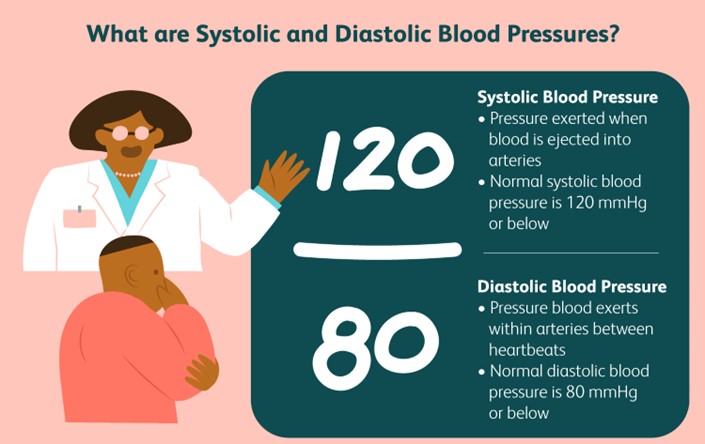
A. Systolic blood pressure is increased
Reason: This is correct because dopamine is a vasopressor that increases the contractility and stroke volume of the heart, which results in an increased systolic blood pressure.
B. Radial heart rate is increased
Reason: This is incorrect because dopamine can cause tachycardia as a side effect, but this does not indicate a therapeutic effect. An increased radial heart rate can also indicate other conditions, such as anxiety, fever, or dehydration.
C. Cardiac output is reduced
Reason: This is incorrect because dopamine does not reduce cardiac output, but rather increases it by improving the pumping function of the heart.
D. Urine output is reduced
Reason: This is incorrect because dopamine does not reduce urine output, but rather increases it by stimulating the renal blood vessels and enhancing renal perfusion.
Full Explanation
Choice A Reason: This is correct because dopamine is a vasopressor that increases the contractility and stroke volume of the heart, which results in an increased systolic blood pressure.
Choice B Reason: This is incorrect because dopamine can cause tachycardia as a side effect, but this does not indicate a therapeutic effect. An increased radial heart rate can also indicate other conditions, such as anxiety, fever, or dehydration.
Choice C Reason: This is incorrect because dopamine does not reduce cardiac output, but rather increases it by improving the pumping function of the heart.
Choice D Reason: This is incorrect because dopamine does not reduce urine output, but rather increases it by stimulating the renal blood vessels and enhancing renal perfusion.