Nursing practice questions with comprehensive rationales
NurseDive Free Nursing Practice Question
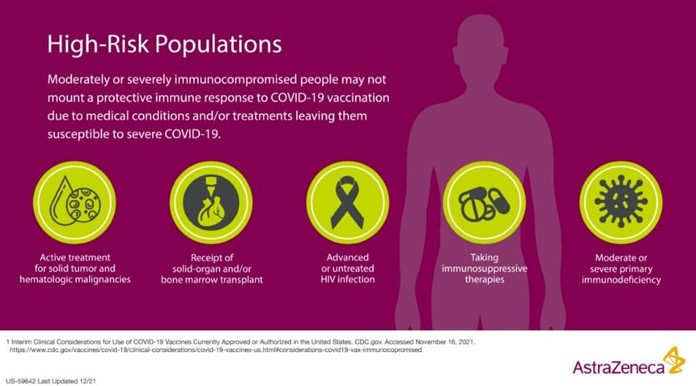
A nurse is caring for a client who is immunocompromised. Which of the following actions should the nurse take?
A. Place the client in a semiprivate room.
Place the client in a semiprivate room: Placing the client in a semiprivate room increases the risk of exposure to potential infections from other individuals. Immunocompromised clients have a weakened immune system, making them more susceptible to infections. Therefore, it is recommended to provide them with a private room to minimize the risk of exposure to pathogens.
B. Have the client apply a mask when children are visiting.
Have the client apply a mask when children are visiting: While it is generally important to take precautions when visitors are present, having the client wear a mask when children are visiting may not be sufficient to protect the immunocompromised client. Children can carry and transmit various infectious diseases, even without displaying symptoms. Therefore, it is more appropriate for healthcare providers and visitors, including children, to adhere to strict hand hygiene and other infection control measures to minimize the risk of infection transmission.
C. Cleanse hands with an alcohol-based hand rub before client contact.
When caring for an immunocompromised client, the nurse should prioritize infection prevention and control measures. One essential action is to cleanse hands with an alcohol-based hand rub before client contact. Hand hygiene is crucial in reducing the transmission of microorganisms and preventing infections. Using an alcohol-based hand rub is effective in killing many types of germs, including bacteria and viruses.
D. Use sterile gloves to provide perineal care.
Use sterile gloves to provide perineal care: The use of sterile gloves is not necessary for routine perineal care unless there is a specific indication, such as an open wound or surgical site. For routine perineal care, clean, non-sterile gloves are sufficient. Using sterile gloves unnecessarily can contribute to the development of antimicrobial resistance and increase healthcare costs without providing any additional benefits.
This question is an excerpt from Nurse Dive's nursing test bank - ATI RN Fundamentals 2019 with NGN - Proctored Exam 2. Take the full exam now
Full Explanation
When caring for an immunocompromised client, the nurse should prioritize infection prevention and control measures. One essential action is to cleanse hands with an alcohol-based hand rub before client contact. Hand hygiene is crucial in reducing the transmission of microorganisms and preventing infections. Using an alcohol-based hand rub is effective in killing many types of germs, including bacteria and viruses.
Let's now discuss why the other
Options are not the correct answers:
a. Place the client in a semiprivate room: Placing the client in a semiprivate room increases the risk of exposure to potential infections from other individuals. Immunocompromised clients have a weakened immune system, making them more susceptible to infections. Therefore, it is recommended to provide them with a private room to minimize the risk of exposure to pathogens.
b. Have the client apply a mask when children are visiting: While it is generally important to take precautions when visitors are present, having the client wear a mask when children are visiting may not be sufficient to protect the immunocompromised client. Children can carry and transmit various infectious diseases, even without displaying symptoms. Therefore, it is more appropriate for healthcare providers and visitors, including children, to adhere to strict hand hygiene and other infection control measures to minimize the risk of infection transmission.
d. Use sterile gloves to provide perineal care: The use of sterile gloves is not necessary for routine perineal care unless there is a specific indication, such as an open wound or surgical site. For routine perineal care, clean, non-sterile gloves are sufficient. Using sterile gloves unnecessarily can contribute to the development of antimicrobial resistance and increase healthcare costs without providing any additional benefits.
In summary, when caring for an immunocompromised client, the nurse should prioritize infection prevention and control. Cleansing hands with an alcohol-based hand rub before client contact is an important action to reduce the risk of infection transmission. The other
Options, such as placing the client in a semiprivate room, having the client wear a mask when children are visiting, and using sterile gloves for routine perineal care, are not the appropriate actions in this scenario.
Similar Questions
A nurse in an acute care facility is preparing to transfer a client to a long-term care facility. Which of the following information should the nurse include in the hand-off report?
A. Time of the client's last bath
B. Effectiveness of the last dose of pain medication
The correct answer is that the nurse should include information about the effectiveness of the last dose of pain medication in the hand-off report when transferring a client to a long-term care facility. This information is important for the receiving facility to continue managing the client's pain effectively. Options a, c and d are not essential information to include in the hand-off report. The time of the client's last bath, the number of family members who have visited and the frequency of previous vital sign measurement are not critical for ensuring continuity of care during the transfer.
C. Number of family members who have visited
D. Frequency of previous vital sign measurement
Full Explanation
The correct answer is that the nurse should include information about the effectiveness of the last dose of pain medication in the hand-off report when transferring a client to a long-term care facility. This information is important for the receiving facility to continue managing the client's pain effectively.
Options a, c and d are not essential information to include in the hand-off report. The time of the client's last bath, the number of family members who have visited and the frequency of previous vital sign measurement are not critical for ensuring continuity of care during the transfer.
A nurse is reviewing client confidentiality with a newly licensed nurse. The nurse should identify which of the following examples as a violation of HIPAA?
A. Faxing medical information to the client's provider's office
B. Teaching the client discharge instructions with his partner present
C. Discussing the client's transfer to a long-term care facility with a nurse from another unit
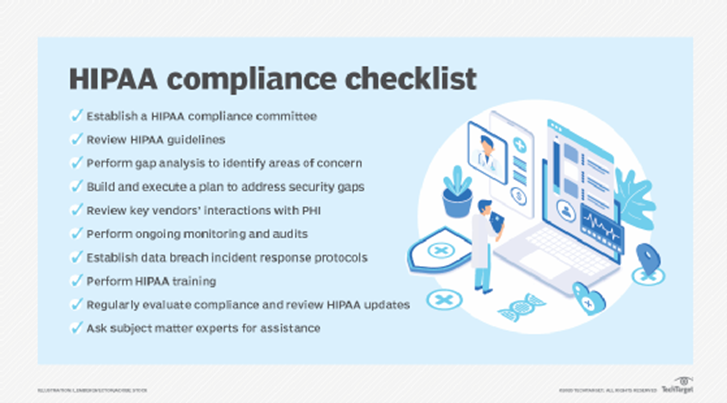
The correct answer is that discussing the client's transfer to a long-term care facility with a nurse from another unit is a violation of HIPA A. HIPAA regulations require that healthcare providers protect the privacy of their clients' personal health information (PHI) and only share it with authorized individuals on a need- to-know basis. Options a, b and d are not violations of HIPAA. Faxing medical information to the client's provider's office, teaching the client discharge instructions with his partner present and giving a telephone report to a surgical nurse when sending the client to the surgical suite are all acceptable practices under HIPAA regulations.
D. Giving a telephone report to a surgical nurse when sending the client to the surgical suite
Full Explanation
The correct answer is that discussing the client's transfer to a long-term care facility with a nurse from another unit is a violation of HIPA
A. HIPAA regulations require that healthcare providers protect the privacy of their clients' personal health information (PHI) and only share it with authorized individuals on a need- to-know basis.
Options a, b and d are not violations of HIPAA. Faxing medical information to the client's provider's office, teaching the client discharge instructions with his partner present and giving a telephone report to a surgical nurse when sending the client to the surgical suite are all acceptable practices under HIPAA regulations.
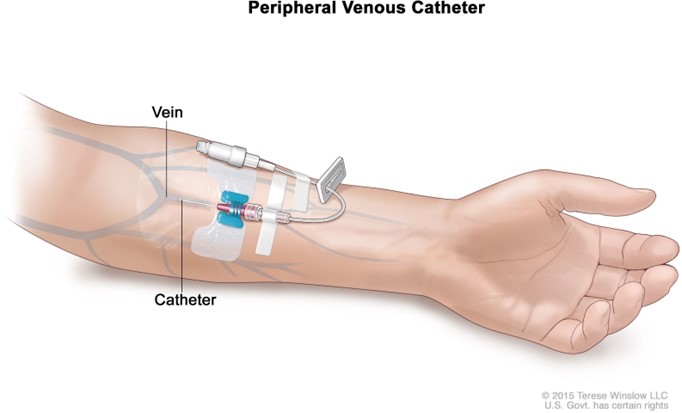
A nurse is preparing to insert a peripheral IV catheter into a client's arm. Which of the following actions should the nurse take to help dilate the vein?
A. Dangle the client's arm over the edge of the bed.
The correct answer is that the nurse should dangle the client's arm over the edge of the bed to help dilate the vein. This technique uses gravity to increase blood flow to the arm and dilate the veins, making it easier to insert a peripheral IV catheter. Options b, c and d are not effective techniques for dilating a vein for IV insertion. Stroking the skin near the vein in an upward direction, instructing the client to flex their arm with the hand open and applying a cool compress to the vein for 10 min are not effective methods for dilating a vein.
B. Stroke the skin near the vein in an upward direction.
C. Instruct the client to flex their arm with the hand open.
D. Apply a cool compress to the vein for 10 min.
Full Explanation
The correct answer is that the nurse should dangle the client's arm over the edge of the bed to help dilate the vein. This technique uses gravity to increase blood flow to the arm and dilate the veins, making it easier to insert a peripheral IV catheter.
Options b, c and d are not effective techniques for dilating a vein for IV insertion. Stroking the skin near the vein in an upward direction, instructing the client to flex their arm with the hand open and applying a cool compress to the vein for 10 min are not effective methods for dilating a vein.