
Nursing practice questions with comprehensive rationales
NurseDive Free Nursing Practice Question
A nurse is collecting data from a client who has a gastrostomy tube and is experiencing diarrhea. Which of the following factors should the nurse identify as a potential cause of the diarrhea?
A. The formula infusion rate of the feeding was too slow.
A slow formula infusion rate (option a) would not cause diarrhea.
B. The formula was given immediately following removal from the refrigerator.
Giving formula immediately following removal from the refrigerator (option b) may cause discomfort but not diarrhea.
C. The feeding tube was partially obstructed during the infusion.
A partially obstructed feeding tube (option c) would slow down the infusion rate and would not cause diarrhea.
D. The client is experiencing delayed gastric emptying.
Delayed gastric emptying can cause diarrhea in a client with a gastrostomy tube.
This question is an excerpt from Nurse Dive's nursing test bank - VATI PN Comprehensive Predictor 2020 Proctored Exam. Take the full exam now
Full Explanation
Delayed gastric emptying can cause diarrhea in a client with a gastrostomy tube.
The other options are not likely causes of diarrhea.
a) A slow formula infusion rate (option would not cause diarrhea.
b) Giving formula immediately following removal from the refrigerator (option b) may cause discomfort but not diarrhea.
c) A partially obstructed feeding tube (option c) would slow down the infusion rate and would not cause diarrhea.
Similar Questions
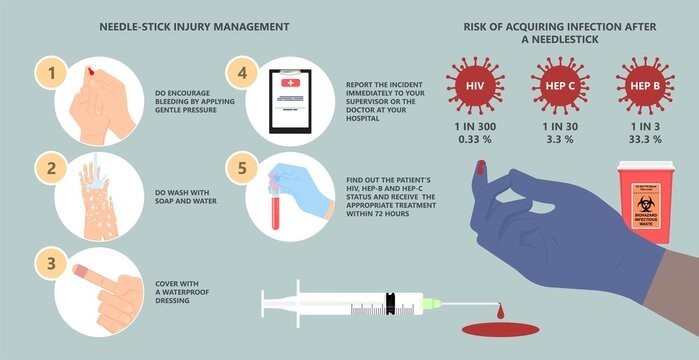
A nurse administered an IM injection to a client. Which of the following actions should the nurse take to reduce the risk of a needlestick injury?
A. Place a cap holder securely on the used needle before disposal
Place a cap holder securely on the used needle before disposal: Cap holders are not recommended for securing used needles before disposal. They may not provide adequate protection against needlestick injuries and can potentially increase the risk of accidental needlesticks when atempting to secure the cap holder.
B. Recap the needle for disposal later.
Recap the needle for disposal later: Recapping the needle increases the risk of a needlestick injury. It is generally not recommended to recap needles after use, as it poses a greater risk of accidental puncture.
C. Dispose of the used needle immediately in a sharps container.
The nurse should dispose of the used needle immediately in a sharps container to reduce the risk of a needlestick injury. Sharps containers are specifically designed for the safe disposal of needles and other sharp objects. By placing the used needle directly into a sharps container, the nurse eliminates the need for handling or manipulating the needle further, reducing the risk of accidental needlestick injuries.
D. Detach the used needle and dispose of it promptly.
. Detach the used needle and dispose of it promptly: Detaching the needle from the syringe before disposal is not recommended, as it increases the risk of a needlestick injury. It is safer to dispose of the needle and syringe as a unit in a sharps container to minimize the risk of accidental puncture.
Full Explanation
c. Dispose of the used needle immediately in a sharps container.
The nurse should dispose of the used needle immediately in a sharps container to reduce the risk of a needlestick injury. Sharps containers are specifically designed for the safe disposal of needles and other sharp objects. By placing the used needle directly into a sharps container, the nurse eliminates the need for handling or manipulating the needle further, reducing the risk of accidental needlestick injuries.
Explanation for the other options:
a. Place a cap holder securely on the used needle before disposal: Cap holders are not recommended for securing used needles before disposal. They may not provide adequate protection against needlestick injuries and can potentially increase the risk of accidental needlesticks when atempting to secure the cap holder.
b. Recap the needle for disposal later: Recapping the needle increases the risk of a needlestick injury. It is generally not recommended to recap needles after use, as it poses a greater risk of accidental puncture.
d. Detach the used needle and dispose of it promptly: Detaching the needle from the syringe before disposal is not recommended, as it increases the risk of a needlestick injury. It is safer to dispose of the needle and syringe as a unit in a sharps container to minimize the risk of accidental puncture.
A nurse is collecting a sputum specimen from a client for culture and sensitivity. Which of the following actions should the nurse take?
A. Collect 2 ml of sputum in an emesis basin
While it is important to collect an adequate volume of sputum, using an emesis basin is inappropriate for collecting a specimen for culture and sensitivity. Sputum must be collected in a sterile container to avoid contamination, ensuring the accuracy of the culture results.
B. Instruct the client to rinse with an antiseptic mouthwash prior to specimen collection
Using an antiseptic mouthwash before collecting a sputum specimen is not recommended, as it could contaminate the sample with antiseptic agents, potentially affecting the growth of microorganisms in the culture. The client should rinse with plain water instead.
C. Swab the oropharynx with a sterile swab
Swabbing the oropharynx is more appropriate for collecting a throat culture rather than a sputum specimen. Sputum collection requires the client to expectorate mucus from the lower respiratory tract, not from the oropharynx, to obtain an accurate sample for culture and sensitivity.
D. Refrigerate the specimen until the time of transport to the laboratory
Refrigerating the sputum specimen is crucial to preserve the integrity of the sample and inhibit the growth of contaminants before it is transported to the laboratory. This action helps ensure that the results of the culture and sensitivity test are accurate.
Full Explanation
Answer: (D) Refrigerate the specimen until the time of transport to the laboratory
Rationale:
A) Collect 2 ml of sputum in an emesis basin: While it is important to collect an adequate volume of sputum, using an emesis basin is inappropriate for collecting a specimen for culture and sensitivity. Sputum must be collected in a sterile container to avoid contamination, ensuring the accuracy of the culture results.
B) Instruct the client to rinse with an antiseptic mouthwash prior to specimen collection: Using an antiseptic mouthwash before collecting a sputum specimen is not recommended, as it could contaminate the sample with antiseptic agents, potentially affecting the growth of microorganisms in the culture. The client should rinse with plain water instead.
C) Swab the oropharynx with a sterile swab: Swabbing the oropharynx is more appropriate for collecting a throat culture rather than a sputum specimen. Sputum collection requires the client to expectorate mucus from the lower respiratory tract, not from the oropharynx, to obtain an accurate sample for culture and sensitivity.
D) Refrigerate the specimen until the time of transport to the laboratory: Refrigerating the sputum specimen is crucial to preserve the integrity of the sample and inhibit the growth of contaminants before it is transported to the laboratory. This action helps ensure that the results of the culture and sensitivity test are accurate.
A nurse is caring for a client who has heart failure and reports difficulty with limiting sodium in their diet. Which of the following recommendations should the nurse provide?
A. Consume more prepared frozen dinners to minimize cooking with salt.
Prepared frozen dinners are often high in sodium
B. Add salt when preparing a meal instead of at the table.
Adding salt when preparing a meal would increase sodium intake
C. Use imitation crab and lobster products for salads at home.
Imitation crab and lobster products can also be high in sodium.
D. Replace bottled salad dressing with homemade vinegar and oil dressing.
A client with heart failure should limit their sodium intake. Bottled salad dressings can be high in sodium, so replacing them with homemade vinegar and oil dressing can help reduce sodium intake
Full Explanation
A client with heart failure should limit their sodium intake. Bottled salad dressings can be high in sodium, so replacing them with homemade vinegar and oil dressing can help reduce sodium intake.
The other options are not recommended for a client with heart failure who needs to limit their sodium intake.
a) Prepared frozen dinners are often high in sodium.
b) Adding salt when preparing a meal would increase sodium intake.
c) Imitation crab and lobster products (option can also be high in sodium.