
Nursing practice questions with comprehensive rationales
NurseDive Free Nursing Practice Question
A nurse is conducting a class for a group of clients about birth control.
Which of the following information should the nurse include in the teaching?
A. You should use spermicide 3 hours prior to sexual intercourse.
Choice A is incorrect because spermicide should be used immediately before sexual intercourse, not 3 hours prior.
B. Your fertility will return 6 months after your provider removes your IUD.
Choice B is incorrect because fertility can return immediately after IUD removal.
C. You will not need to use birth control for 1 month after receiving emergency contraception.
Choice C is incorrect because emergency contraception is intended for backup contraception only and not as a primary method of birth control.
D. You should have an annual examination to assess your diaphragm.
A nurse conducting a class for a group of clients about birth control should include information about having an annual examination to assess their diaphragm. A diaphragm should be replaced at least every 2 years and it’s important to bring it to an annual checkup so the healthcare provider can check the fit.
This question is an excerpt from Nurse Dive's nursing test bank - ATI RN Maternal Newborn 2019 with NGN Proctored Exam. Take the full exam now
Full Explanation
A nurse conducting a class for a group of clients about birth control should include information about having an annual examination to assess their diaphragm.
A diaphragm should be replaced at least every 2 years and it’s important to
bring it to an annual checkup so the healthcare provider can check the fit.
Choice A is incorrect because spermicide should be used immediately before sexual intercourse, not 3 hours prior.
Choice B is incorrect because fertility can return immediately after IUD removal.
Choice C is incorrect because emergency contraception is intended for backup contraception only and not as a primary method of birth control
Similar Questions
A nurse is caring for a client following a vaginal delivery of a term fetal demise. Which of the following statements should the nurse make?
A. "You should name the baby so she can have an identity.”
Choice A is incorrect because it is not appropriate for the nurse to suggest that the client should name the baby.
B. "If you don't hold the baby, it will make letting go much harder.”
Choice B is incorrect because it is not appropriate for the nurse to suggest that not holding the baby will make letting go much harder.
C. "I'm sure you will be able to have another baby when you're ready.”
Choice C is incorrect because it is not appropriate for the nurse to make assumptions about future pregnancies.
D. "You can bathe and dress your baby if you'd like to.”
A nurse caring for a client following a vaginal delivery of a term fetal demise should offer the client the option to bathe and dress their baby if they would like to.
Full Explanation
A nurse caring for a client following a vaginal delivery of a term fetal demise should offer the client the option to bathe and dress their baby if they would like to.
Choice A is incorrect because it is not appropriate for the nurse to suggest that the client should name the baby.
Choice B is incorrect because it is not appropriate for the nurse to suggest that not holding the baby will make letting go much harder.
Choice C is incorrect because it is not appropriate for the nurse to make assumptions about future pregnancies.
A nurse is caring for a client who is at 36 weeks of gestation and has methicillin- resistant Staphylococcus aureus.
Which of the following types of isolation precautions should the nurse initiate?
A. Droplet.
Choice A is incorrect because Droplet Precautions are not necessary for MRSA.
B. Protective environment.
Choice B is incorrect because a Protective Environment is not necessary for MRSA.
C. Contact.
A nurse caring for a client who is at 36 weeks of gestation and has methicillin- resistant Staphylococcus aureus (MRSA) should initiate Contact Precautions.
D. Airborne.
Choice D is incorrect because Airborne Precautions are not necessary for MRSA.
Full Explanation
A nurse caring for a client who is at 36 weeks of gestation and has methicillin- resistant Staphylococcus aureus (MRSA) should initiate Contact Precautions.
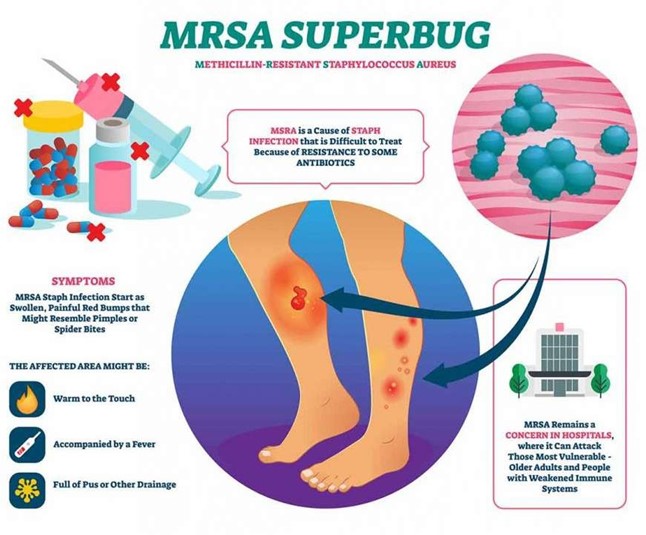
Choice A is incorrect because Droplet Precautions are not necessary for MRSA.
Choice B is incorrect because a Protective Environment is not necessary for MRSA.
Choice D is incorrect because Airborne Precautions are not necessary for MRSA.
A nurse is caring for a newborn who has exstrophy of the bladder.
Which of the following actions should the nurse take prior to the beginning of surgical correction?
A. Restrict the newborn's fluid intake.
Choice A is incorrect because it is not necessary to restrict the newborn’s fluid intake.
B. Keep the newborn in a side-lying position.
Choice B is incorrect because it is not necessary to keep the newborn in a side- lying position.
C. Cover the newborn's bladder with a sterile, non-adherent dressing.
A nurse caring for a newborn who has exstrophy of the bladder should cover the newborn’s bladder with a sterile, non-adherent dressing prior to the beginning of surgical correction.
D. Exert gentle pressure on the newborn's bladder with sterile gauze.
Choice D is incorrect because it is not appropriate to exert gentle pressure on the newborn’s bladder with sterile gauze.
E. Exert gentle pressure on the newborn's bladder with sterile gauze.
Full Explanation
A nurse caring for a newborn who has exstrophy of the bladder should cover the newborn’s bladder with a sterile, non-adherent dressing prior to the beginning of surgical correction.
Choice A is incorrect because it is not necessary to restrict the newborn’s fluid intake.
Choice B is incorrect because it is not necessary to keep the newborn in a side- lying position.
Choice D is incorrect because it is not appropriate to exert gentle pressure on
the newborn’s bladder with sterile gauze.