
Nursing practice questions with comprehensive rationales
NurseDive Free Nursing Practice Question
A nurse is contributing to the plan of care for a client prescribed continuous enteral feedings. Which of the following actions should the nurse plan to take?
A. Check the gastric residual every 8 hr.
Check the gastric residual every 8 hr:Explanation: It is generally recommended to check gastric residuals more frequently than every 8 hours, often every 4-6 hours, especially in the initial stages of continuous enteral feedings, to monitor tolerance and prevent complications such as aspiration.
B. Change the feeding bag every 24 hr.
Change the feeding bag every 24 hr:Explanation: Changing the feeding bag and tubing at regular intervals helps prevent bacterial contamination and maintain aseptic technique. The frequency of bag changes is typically scheduled every 24 hours or according to facility protocols.
C. Flush the tube with sterile sodium chloride solution every 2 hr.
Flush the tube with sterile sodium chloride solution every 2 hr:Explanation: While it is important to flush the feeding tube regularly to maintain patency, using sterile water is typically recommended unless there is a specific clinical indication for sterile sodium chloride. The frequency of flushing (usually every 4-6 hours for continuous feeding) should be determined based on the institution's protocol and the client's specific needs.
D. Position the head of the client's bed at 15.
Position the head of the client's bed at 15 degrees:Explanation: To reduce the risk of aspiration, the head of the bed should be elevated to at least 30-45 degrees during enteral feedings, not just 15 degrees. Elevating the head of the bed helps prevent reflux and aspiration. .
This question is an excerpt from Nurse Dive's nursing test bank - ATI LPN Proctored Exam. Take the full exam now
Full Explanation
Correct answer: B
A. Check the gastric residual every 8 hr:
Explanation: It is generally recommended to check gastric residuals more frequently than every 8 hours, often every 4-6 hours, especially in the initial stages of continuous enteral feedings, to monitor tolerance and prevent complications such as aspiration.
B. Change the feeding bag every 24 hr:
Explanation: Changing the feeding bag and tubing at regular intervals helps prevent bacterial contamination and maintain aseptic technique. The frequency of bag changes is typically scheduled every 24 hours or according to facility protocols.
C. Flush the tube with sterile sodium chloride solution every 2 hr:
Explanation: While it is important to flush the feeding tube regularly to maintain patency, using sterile water is typically recommended unless there is a specific clinical indication for sterile sodium chloride. The frequency of flushing (usually every 4-6 hours for continuous feeding) should be determined based on the institution's protocol and the client's specific needs.
D. Position the head of the client's bed at 15 degrees:
Explanation: To reduce the risk of aspiration, the head of the bed should be elevated to at least 30-45 degrees during enteral feedings, not just 15 degrees. Elevating the head of the bed helps prevent reflux and aspiration.
Similar Questions
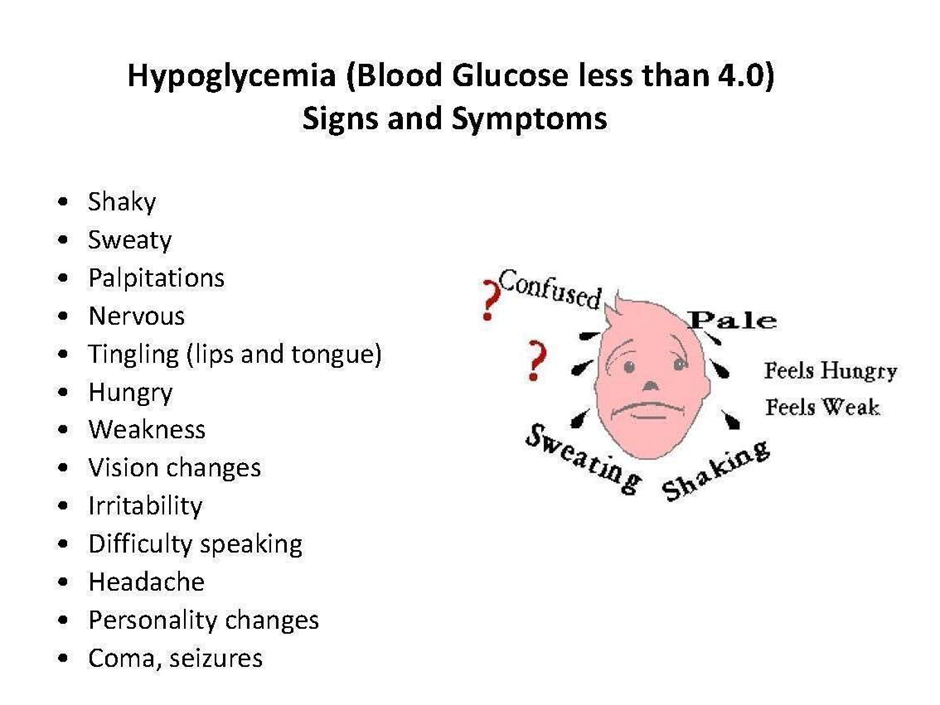
A nurse is teaching the parents of a child who has diabetes mellitus about the manifestations of hypoglycemia. Which of the following manifestations should the nurse include in the teaching?
A. Dry mucous membranes
Dry mucous membranes:Explanation: Dry mucous membranes are not typically associated with hypoglycemia. Instead, they might be seen in conditions such as dehydration.
B. Fruity breath odor
Fruity breath odor:Explanation: Fruity breath odor is more commonly associated with diabetic ketoacidosis (DKA), which is a complication of hyperglycemia, not hypoglycemia.
C. Diaphoresis
Diaphoresis: Explanation: Diaphoresis, or excessive sweating, is a common manifestation of hypoglycemia. It results from the activation of the sympathetic nervous system in response to low blood sugar levels.
D. Polyuria
Polyuria:Explanation: Polyuria, or increased urination, is not a typical manifestation of hypoglycemia. It is more commonly associated with hyperglycemia and diabetes.
Full Explanation
A. Dry mucous membranes:
Explanation: Dry mucous membranes are not typically associated with hypoglycemia. Instead, they might be seen in conditions such as dehydration.
B. Fruity breath odor:
Explanation: Fruity breath odor is more commonly associated with diabetic ketoacidosis (DKA), which is a complication of hyperglycemia, not hypoglycemia.
C. Diaphoresis:
Explanation: Diaphoresis, or excessive sweating, is a common manifestation of hypoglycemia. It results from the activation of the sympathetic nervous system in response to low blood sugar levels.
D. Polyuria:
Explanation: Polyuria, or increased urination, is not a typical manifestation of hypoglycemia. It is more commonly associated with hyperglycemia and diabetes.
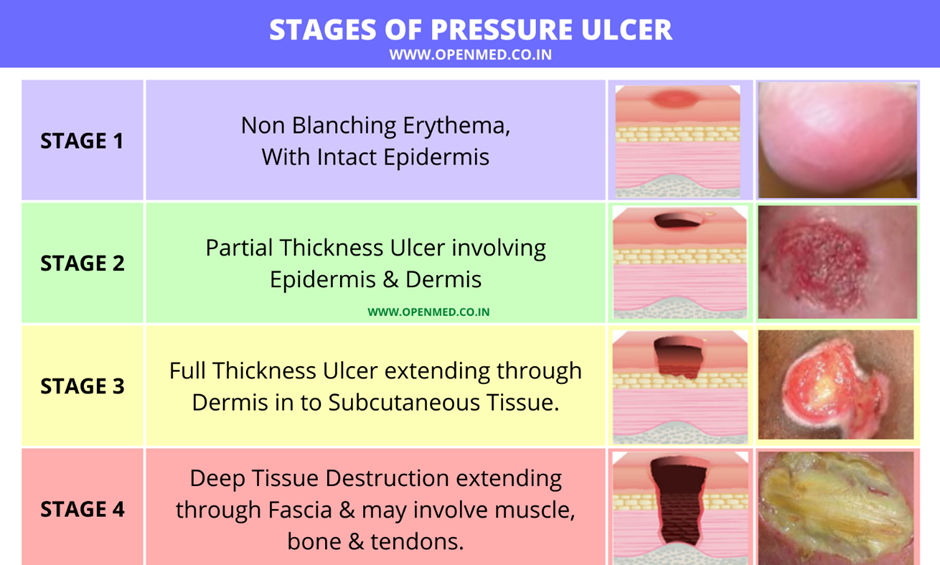
A nurse is collecting data on a client who has a stage 2 pressure injury. Which of the following findings should the nurse expect?
A. Intact skin with localized erythema.
Intact skin with localized erythema:Explanation: This description is more consistent with a stage 1 pressure injury, where there is non-blanchable erythema.
B. Full thickness skin loss with visible bone
Full thickness skin loss with visible bone:Explanation: This description is more consistent with a stage 4 pressure injury, which involves extensive tissue loss, including exposure of bone.
C. Full thickness skin loss with visible adipose tissue.
Full thickness skin loss with visible adipose tissue: Explanation: This finding is characteristic of a stage 3 pressure injury, where the loss of tissue extends down to the subcutaneous layer.
D. Partial-thickness skin loss with red tissue in wound bed.
Partial-thickness skin loss with red tissue in the wound bed:Explanation: This description is consistent with a stage 2 pressure injury, where there is partial-thickness skin loss involving the epidermis and possibly the dermis, forming a shallow open ulcer with a red-pink wound bed.
Full Explanation
A. Intact skin with localized erythema:
Explanation: This description is more consistent with a stage 1 pressure injury, where there is non-blanchable erythema.
B. Full thickness skin loss with visible bone:
Explanation: This description is more consistent with a stage 4 pressure injury, which involves extensive tissue loss, including exposure of bone.
C. Full thickness skin loss with visible adipose tissue:
Explanation: This finding is characteristic of a stage 3 pressure injury, where the loss of tissue extends down to the subcutaneous layer.
D. Partial-thickness skin loss with red tissue in the wound bed:
Explanation: This description is consistent with a stage 2 pressure injury, where there is partial-thickness skin loss involving the epidermis and possibly the dermis, forming a shallow open ulcer with a red-pink wound bed.
A nurse is assisting with teaching a client who is on a low potassium diet. Which of the following instructions should the nurse include?
A. Choose orange juice instead of apple juice.
Choose orange juice instead of apple juice:Explanation: Orange juice is a source of potassium, so this choice would not be appropriate for a low potassium diet.
B. Replace sugar with molasses when baking.
Replace sugar with molasses when baking:Explanation: Molasses is a good alternative to sugar and does not contribute significantly to potassium intake, making it suitable for a low potassium diet.
C. Avoid using salt substitutes when cooking.
Avoid using salt substitutes when cooking: Explanation: Salt substitutes often contain potassium chloride, which can increase potassium intake. Therefore, it's advisable to avoid them on a low potassium diet.
D. Eat granola for breakfast.
Eat granola for breakfast:Explanation: Granola can be a good source of potassium, so it may not be suitable for someone on a low potassium diet.
Full Explanation
A. Choose orange juice instead of apple juice:
Explanation: Orange juice is a source of potassium, so this choice would not be appropriate for a low potassium diet.
B. Replace sugar with molasses when baking:
Explanation: Molasses is a good alternative to sugar and does not contribute significantly to potassium intake, making it suitable for a low potassium diet.
C. Avoid using salt substitutes when cooking:
Explanation: Salt substitutes often contain potassium chloride, which can increase potassium intake. Therefore, it's advisable to avoid them on a low potassium diet.
D. Eat granola for breakfast:
Explanation: Granola can be a good source of potassium, so it may not be suitable for someone on a low potassium diet.