
Nursing practice questions with comprehensive rationales
NurseDive Free Nursing Practice Question
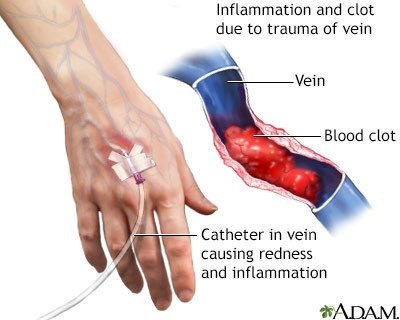
A nurse is monitoring a client who is receiving continuous IV fluid therapy via a peripheral vein in the left forearm. Which of the following findings indicates that the client has developed phlebitis at the IV site?
A. Erythema along the path of the vein
The development of erythema (redness) along the path of the vein indicates phlebitis at the IV site. Phlebitis refers to inflammation of the vein, often caused by irritation or infection. When phlebitis occurs, the vein becomes inflamed and can appear red, warm, and tender to touch. Erythema is a characteristic sign of phlebitis and suggests that the client's IV site has become irritated or infected.
B. Coolness of the client's left forearm
Coolness of the client's left forearm: Coolness of the forearm is not typically associated with phlebitis. Instead, it may suggest compromised blood flow to the area, such as arterial insufficiency, rather than inflammation of the vein.
C. Pallor of the client's left forearm
Pallor of the client's left forearm: Pallor, or paleness, of the forearm is not a typical finding in phlebitis. It usually indicates reduced blood flow or decreased oxygenation to the area, which can be caused by factors other than inflammation of the vein.
D. Pitting edema at the insertion site
Pitting edema at the insertion site: Pitting edema refers to the indentation that remains when pressure is applied to an area of swelling and then release. While edema can occur at the insertion site of an IV, it is not a specific indicator of phlebitis. Edema can result from multiple causes, such as fluid overload or localized inflammation, and its presence does not necessarily confirm the presence of phlebitis.
This question is an excerpt from Nurse Dive's nursing test bank - ATI RN Fundamentals 2019 with NGN - Proctored Exam 2. Take the full exam now
Full Explanation
The development of erythema (redness) along the path of the vein indicates phlebitis at the IV site. Phlebitis refers to inflammation of the vein, often caused by irritation or infection. When phlebitis occurs, the vein becomes inflamed and can appear red, warm, and tender to touch. Erythema is a characteristic sign of phlebitis and suggests that the client's IV site has become irritated or infected.
Let's now discuss why the other
Options are not the correct answers:
- Coolness of the client's left forearm: Coolness of the forearm is not typically associated with phlebitis. Instead, it may suggest compromised blood flow to the area, such as arterial insufficiency, rather than inflammation of the vein.
- Pallor of the client's left forearm: Pallor, or paleness, of the forearm is not a typical finding in phlebitis. It usually indicates reduced blood flow or decreased oxygenation to the area, which can be caused by factors other than inflammation of the vein.
- Pitting edema at the insertion site: Pitting edema refers to the indentation that remains when pressure is applied to an area of swelling and then release. While edema can occur at the insertion site of an IV, it is not a specific indicator of phlebitis. Edema can result from multiple causes, such as fluid overload or localized inflammation, and its presence does not necessarily confirm the presence of phlebitis.
In summary, the presence of erythema along the path of the vein is the finding that indicates the development of phlebitis at the IV site. This redness suggests inflammation of the vein, which can be caused by various factors including irritation or infection. The other
Options, such as coolness of the forearm, pallor of the forearm, or pitting edema at the insertion site, are not specific indicators of phlebitis and may be associated with different underlying conditions or factors.
Similar Questions
A nurse is caring for a client who reports that she has insomnia. Which of the following interventions is appropriate for the nurse to recommend?
A. Take a 30-min nap daily.
B. Eat a light carbohydrate snack before bedtime.
The correct answer is that the nurse should recommend the client to eat a light carbohydrate snack before bedtime. Eating a light carbohydrate snack before bedtime can help promote sleep by increasing the level of tryptophan in the brain, which can help induce sleep. Options a, c and d are not appropriate interventions for insomnia. Taking a 30-min nap daily can disrupt nighttime sleep and worsen insomnia. Exercising 1 hr before bedtime can increase alertness and make it harder to fall asleep. Drinking a cup of hot cocoa before bedtime can also disrupt sleep due to its caffeine content.
C. Exercise 1 hr before bedtime.
D. Drink a cup of hot cocoa before bedtime.
Full Explanation
The correct answer is that the nurse should recommend the client to eat a light carbohydrate snack before bedtime. Eating a light carbohydrate snack before bedtime can help promote sleep by increasing the level of tryptophan in the brain, which can help induce sleep.
Options a, c and d are not appropriate interventions for insomnia. Taking a 30-min nap daily can disrupt nighttime sleep and worsen insomnia. Exercising 1 hr before bedtime can increase alertness and make it harder to fall asleep. Drinking a cup of hot cocoa before bedtime can also disrupt sleep due to its caffeine content.
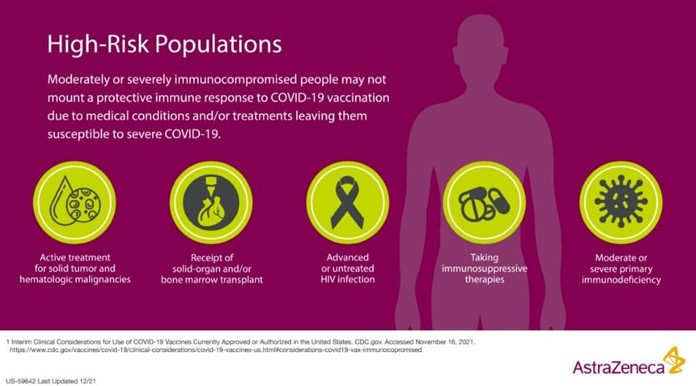
A nurse is caring for a client who is immunocompromised. Which of the following actions should the nurse take?
A. Place the client in a semiprivate room.
Place the client in a semiprivate room: Placing the client in a semiprivate room increases the risk of exposure to potential infections from other individuals. Immunocompromised clients have a weakened immune system, making them more susceptible to infections. Therefore, it is recommended to provide them with a private room to minimize the risk of exposure to pathogens.
B. Have the client apply a mask when children are visiting.
Have the client apply a mask when children are visiting: While it is generally important to take precautions when visitors are present, having the client wear a mask when children are visiting may not be sufficient to protect the immunocompromised client. Children can carry and transmit various infectious diseases, even without displaying symptoms. Therefore, it is more appropriate for healthcare providers and visitors, including children, to adhere to strict hand hygiene and other infection control measures to minimize the risk of infection transmission.
C. Cleanse hands with an alcohol-based hand rub before client contact.
When caring for an immunocompromised client, the nurse should prioritize infection prevention and control measures. One essential action is to cleanse hands with an alcohol-based hand rub before client contact. Hand hygiene is crucial in reducing the transmission of microorganisms and preventing infections. Using an alcohol-based hand rub is effective in killing many types of germs, including bacteria and viruses.
D. Use sterile gloves to provide perineal care.
Use sterile gloves to provide perineal care: The use of sterile gloves is not necessary for routine perineal care unless there is a specific indication, such as an open wound or surgical site. For routine perineal care, clean, non-sterile gloves are sufficient. Using sterile gloves unnecessarily can contribute to the development of antimicrobial resistance and increase healthcare costs without providing any additional benefits.
Full Explanation
When caring for an immunocompromised client, the nurse should prioritize infection prevention and control measures. One essential action is to cleanse hands with an alcohol-based hand rub before client contact. Hand hygiene is crucial in reducing the transmission of microorganisms and preventing infections. Using an alcohol-based hand rub is effective in killing many types of germs, including bacteria and viruses.
Let's now discuss why the other
Options are not the correct answers:
a. Place the client in a semiprivate room: Placing the client in a semiprivate room increases the risk of exposure to potential infections from other individuals. Immunocompromised clients have a weakened immune system, making them more susceptible to infections. Therefore, it is recommended to provide them with a private room to minimize the risk of exposure to pathogens.
b. Have the client apply a mask when children are visiting: While it is generally important to take precautions when visitors are present, having the client wear a mask when children are visiting may not be sufficient to protect the immunocompromised client. Children can carry and transmit various infectious diseases, even without displaying symptoms. Therefore, it is more appropriate for healthcare providers and visitors, including children, to adhere to strict hand hygiene and other infection control measures to minimize the risk of infection transmission.
d. Use sterile gloves to provide perineal care: The use of sterile gloves is not necessary for routine perineal care unless there is a specific indication, such as an open wound or surgical site. For routine perineal care, clean, non-sterile gloves are sufficient. Using sterile gloves unnecessarily can contribute to the development of antimicrobial resistance and increase healthcare costs without providing any additional benefits.
In summary, when caring for an immunocompromised client, the nurse should prioritize infection prevention and control. Cleansing hands with an alcohol-based hand rub before client contact is an important action to reduce the risk of infection transmission. The other
Options, such as placing the client in a semiprivate room, having the client wear a mask when children are visiting, and using sterile gloves for routine perineal care, are not the appropriate actions in this scenario.
A nurse in an acute care facility is preparing to transfer a client to a long-term care facility. Which of the following information should the nurse include in the hand-off report?
A. Time of the client's last bath
B. Effectiveness of the last dose of pain medication
The correct answer is that the nurse should include information about the effectiveness of the last dose of pain medication in the hand-off report when transferring a client to a long-term care facility. This information is important for the receiving facility to continue managing the client's pain effectively. Options a, c and d are not essential information to include in the hand-off report. The time of the client's last bath, the number of family members who have visited and the frequency of previous vital sign measurement are not critical for ensuring continuity of care during the transfer.
C. Number of family members who have visited
D. Frequency of previous vital sign measurement
Full Explanation
The correct answer is that the nurse should include information about the effectiveness of the last dose of pain medication in the hand-off report when transferring a client to a long-term care facility. This information is important for the receiving facility to continue managing the client's pain effectively.
Options a, c and d are not essential information to include in the hand-off report. The time of the client's last bath, the number of family members who have visited and the frequency of previous vital sign measurement are not critical for ensuring continuity of care during the transfer.