
Nursing practice questions with comprehensive rationales
NurseDive Free Nursing Practice Question
A nurse is providing discharge teaching to a client who has chronic kidney disease and is receiving haemodialysis. Which of the following instructions should the nurse include in the teaching?
A. Eat 1 g/kg of protein per day.
Eating 1 g/kg of protein per day is the appropriate recommendation. When providing discharge teaching to a client with chronic kidney disease (CKD) who is receiving haemodialysis, the nurse should include the instruction to eat an appropriate amount of protein, which is usually recommended at a specific daily intake based on the client's weight. Clients with CKD often have dietary restrictions, including limiting protein intake to reduce the workload on the kidneys. However, protein intake is still necessary for maintaining muscle mass and overall health. The recommended protein intake for clients with CKD undergoing haemodialysis is typically around 1 gram of protein per kilogram of body weight per day.
B. Drink at least 3 L of fluid daily.
Drink at least 3 L of fluid daily. Clients receiving haemodialysis typically have fluid restrictions, as impaired kidney function can lead to fluid retention and electrolyte imbalances. The specific fluid allowance will be determined by the healthcare provider based on the client's individual needs, and it may be significantly less than 3 L per day.
C. Consume foods high in potassium.
Clients with chronic kidney disease, especially that undergoing haemodialysis, often need to restrict potassium intake. Impaired kidney function can lead to the build-up of potassium in the blood, which can be harmful. Therefore, it is essential for clients with CKD to avoid or limit foods high in potassium.
D. Take magnesium hydroxide for ingestion.
Take magnesium hydroxide for ingestion. Magnesium hydroxide is a laxative and antacid used to relieve constipation and heartburn. It is not typically prescribed for clients with chronic kidney disease, especially without proper evaluation of their kidney function and overall medical condition.
This question is an excerpt from Nurse Dive's nursing test bank - ATI Comprehensive Predictor 2023 Exit Proctored Exam A. Take the full exam now
Full Explanation
Choice A reason:
Eating 1 g/kg of protein per day is the appropriate recommendation. When providing discharge teaching to a client with chronic kidney disease (CKD) who is receiving haemodialysis, the nurse should include the instruction to eat an appropriate amount of protein, which is usually recommended at a specific daily intake based on the client's weight.
Clients with CKD often have dietary restrictions, including limiting protein intake to reduce the workload on the kidneys. However, protein intake is still necessary for maintaining muscle mass and overall health. The recommended protein intake for clients with CKD undergoing haemodialysis is typically around 1 gram of protein per kilogram of body weight per day.
Choice B reason:
Drink at least 3 L of fluid daily. Clients receiving haemodialysis typically have fluid restrictions, as impaired kidney function can lead to fluid retention and electrolyte imbalances. The specific fluid allowance will be determined by the healthcare provider based on the client's individual needs, and it may be significantly less than 3 L per day.
Choice D option
Take magnesium hydroxide for ingestion. Magnesium hydroxide is a laxative and antacid used to relieve constipation and heartburn. It is not typically prescribed for clients with chronic kidney disease, especially without proper evaluation of their kidney function and overall medical condition.
Choice C option:
C. Consume foods high in potassium.
Clients with chronic kidney disease, especially that undergoing haemodialysis, often need to restrict potassium intake. Impaired kidney function can lead to the build-up of potassium in the blood, which can be harmful. Therefore, it is essential for clients with CKD to avoid or limit foods high in potassium.

Similar Questions
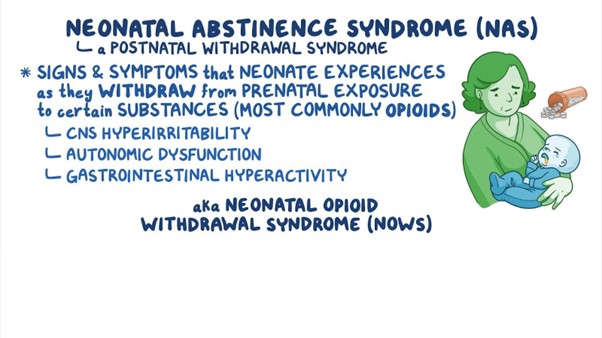
A nurse is developing a plan of care for a newborn whose mother tested positive for heroin during pregnancy. The newborn is experiencing neonatal abstinence syndrome. Which of the following actions should the nurse include in the plan?
A. Administer naloxone to the newborn.
Administering naloxone to the newborn is not appropriate. Naloxone is an opioid antagonist used to reverse the effects of opioid overdose in adults. It is not typically used for newborns with neonatal abstinence syndrome. The management of NAS is primarily supportive, and medications may be prescribed to help manage specific withdrawal symptoms, but naloxone is not a standard treatment for NAS.
B. Minimize noise in the newborn's environment.
Minimizing noise in the newborn's environment is a crucial action in the plan of care is the correct action to be included. Newborns experiencing NAS can be easily overstimulated, and loud noises can exacerbate their withdrawal symptoms and distress. Creating a calm and quiet environment helps reduce agitation and promotes better sleep and overall comfort.
C. Swaddle the newborn with his leg extended.
Swaddling the newborn with his leg extended is not appropriate in this case. Swaddling can be beneficial for some newborns, but the specific positioning and swaddling techniques should be individualized based on the newborn's needs and preferences. Extending the newborn's legs may not necessarily be the best approach, as it may not provide comfort or address the symptoms associated with NAS.
D. Maintain eye contact with the newborn during feedings.
Maintaining eye contact with the newborn during feedings is not appropriate in this case. While maintaining eye contact during feedings is an essential aspect of bonding and promoting parent-newborn attachment, it may not be the primary focus in managing neonatal abstinence syndrome. The plan of care for a newborn with NAS would primarily involve managing withdrawal symptoms, providing comfort measures, and addressing the newborn's unique needs during this challenging period.
Full Explanation
Choice A reason
Administering naloxone to the newborn is not appropriate. Naloxone is an opioid antagonist used to reverse the effects of opioid overdose in adults. It is not typically used for newborns with neonatal abstinence syndrome. The management of NAS is primarily supportive, and medications may be prescribed to help manage specific withdrawal symptoms, but naloxone is not a standard treatment for NAS.
Choice B reason:
Minimizing noise in the newborn's environment is a crucial action in the plan of care is the correct action to be included. Newborns experiencing NAS can be easily overstimulated, and loud noises can exacerbate their withdrawal symptoms and distress. Creating a calm and quiet environment helps reduce agitation and promotes better sleep and overall comfort.
Choice C reason
Swaddling the newborn with his leg extended is not appropriate in this case. Swaddling can be beneficial for some newborns, but the specific positioning and swaddling techniques should be individualized based on the newborn's needs and preferences. Extending the newborn's legs may not necessarily be the best approach, as it may not provide comfort or address the symptoms associated with NAS.
Choice D reason:
Maintaining eye contact with the newborn during feedings is not appropriate in this case. While maintaining eye contact during feedings is an essential aspect of bonding and promoting parent-newborn attachment, it may not be the primary focus in managing neonatal abstinence syndrome. The plan of care for a newborn with NAS would primarily involve managing withdrawal symptoms, providing comfort measures, and addressing the newborn's unique needs during this challenging period.
A nurse is reporting a client's laboratory tests to the provider to obtain a prescription for the client's daily warfarin. Which of the following laboratory tests should the nurse plan to report to obtain the prescription for the warfarin?
A. Fibrinogen level
Fibrinogen level: Fibrinogen is a protein involved in the blood clotting process, but in this case, it is not appropriate because is not the primary laboratory test used to monitor warfarin therapy. Monitoring fibrinogen levels is more relevant in assessing bleeding disorders or certain medical conditions.
B. PTT
PTT (Partial Thromboplastin Time): PTT is another laboratory test used to evaluate blood clotting function, particularly the intrinsic pathway of the clotting cascade. PTT is not routinely used to monitor warfarin therapy; it is more commonly used to monitor other anticoagulant medications like heparin.
C. INR
The nurse should plan to report the client's INR (International Normalized Ratio) to obtain a prescription for the client's daily warfarin. INR is a critical laboratory test used to monitor the effectiveness and safety of warfarin therapy. Warfarin is an anticoagulant medication commonly prescribed to prevent and treat blood clots. It works by interfering with the body's ability to use vitamin K to form blood clots. Monitoring the INR is essential because it indicates how long it takes for the blood to clot, and it helps determine if the client's warfarin dosage needs adjustment to achieve the desired level of anticoagulation.
D. Platelet count
Platelet count: Platelet count is essential to assess the number of platelets in the blood, which are crucial for normal clotting. However, platelet count monitoring is not the primary focus when prescribing warfarin. It is typically used to evaluate thrombocytopenia (low platelet count) or other conditions affecting platelet function.
Full Explanation
Choice A option
Fibrinogen level: Fibrinogen is a protein involved in the blood clotting process, but in this case, it is not appropriate because is not the primary laboratory test used to monitor warfarin therapy. Monitoring fibrinogen levels is more relevant in assessing bleeding disorders or certain medical conditions.
Choice B option
PTT (Partial Thromboplastin Time): PTT is another laboratory test used to evaluate blood clotting function, particularly the intrinsic pathway of the clotting cascade. PTT is not routinely used to monitor warfarin therapy; it is more commonly used to monitor other anticoagulant medications like heparin.
Choice C option
The nurse should plan to report the client's INR (International Normalized Ratio) to obtain a prescription for the client's daily warfarin. INR is a critical laboratory test used to monitor the effectiveness and safety of warfarin therapy.
Warfarin is an anticoagulant medication commonly prescribed to prevent and treat blood clots. It works by interfering with the body's ability to use vitamin K to form blood clots. Monitoring the INR is essential because it indicates how long it takes for the blood to clot, and it helps determine if the client's warfarin dosage needs adjustment to achieve the desired level of anticoagulation.
Choice D option
Platelet count: Platelet count is essential to assess the number of platelets in the blood, which are crucial for normal clotting. However, platelet count monitoring is not the primary focus when prescribing warfarin. It is typically used to evaluate thrombocytopenia (low platelet count) or other conditions affecting platelet function.
A nurse is making an initial postpartum home visit. Which of the following client statements should the nurse identify as a manifestation of increased risk for child abuse?
A. “I try to respond to the baby quickly so she doesn't cry very long."
"I try to respond to the baby quickly so she doesn't cry very long." This statement is incorrect because it indicates the parent's sensitivity to the baby's needs and responsiveness to the baby's cues, which are positive signs of appropriate caregiving.
B. "I have several friends who come by to help out with the baby."
"I have several friends who come by to help out with the baby." This statement is incorrect because having a support system in the form of friends who help with the baby is a positive factor that can reduce stress and promote a healthy postpartum period.
C. "I want to meet other parents to see if they are going through the same things."
"I want to meet other parents to see if they are going through the same things." This statement is incorrect because seeking social support and connecting with other parents can be beneficial in reducing feelings of isolation and stress during the postpartum period.
D. “I think the baby should be sleeping through the night by now”
"I think the baby should be sleeping through the night by now is the correct statement "I think the baby should be sleeping through the night by now," as a manifestation of increased risk for child abuse. This statement may indicate unrealistic expectations or frustration from the parent regarding the baby's sleep patterns. It is common for newborns to wake frequently during the night for feeding and care, and their sleep patterns can vary significantly in the early weeks and months of life. Unrealistic expectations or frustration about the baby's sleep habits can contribute to increased stress for the parent, which might increase the risk of child abuse or neglect.
Full Explanation
Choice A reason:
"I try to respond to the baby quickly so she doesn't cry very long." This statement is incorrect because it indicates the parent's sensitivity to the baby's needs and responsiveness to the baby's cues, which are positive signs of appropriate caregiving.
Choice B reason:
"I have several friends who come by to help out with the baby." This statement is incorrect because having a support system in the form of friends who help with the baby is a positive factor that can reduce stress and promote a healthy postpartum period.
Choice C reason:
"I want to meet other parents to see if they are going through the same things." This statement is incorrect because seeking social support and connecting with other parents can be beneficial in reducing feelings of isolation and stress during the postpartum period.
Choice D reason:
"I think the baby should be sleeping through the night by now is the correct statement "I think the baby should be sleeping through the night by now," as a manifestation of increased risk for child abuse. This statement may indicate unrealistic expectations or frustration from the parent regarding the baby's sleep patterns.
It is common for newborns to wake frequently during the night for feeding and care, and their sleep patterns can vary significantly in the early weeks and months of life. Unrealistic expectations or frustration about the baby's sleep habits can contribute to increased stress for the parent, which might increase the risk of child abuse or neglect.