Nursing practice questions with comprehensive rationales
NurseDive Free Nursing Practice Question
A nurse is providing discharge teaching to the mother of a newborn about breastfeeding. Which of the following statements by the client indicates an understanding of the teaching?
A. "I will dilute juice with 50 percent water to supplement between feedings."
"I will dilute juice with 50 percent water to supplement between feedings": This statement is incorrect. Breast milk or formula should be the sole source of nutrition for a newborn. Diluting juice with water is not recommended for newborns, as it does not provide the necessary nutrients and may fill the baby's stomach without providing adequate nutrition.
B. "I should use pumped breast milk within 72 hours of refrigeration."
"I should use pumped breast milk within 72 hours of refrigeration": This statement is incorrect. Pumped breast milk can typically be stored in the refrigerator for up to 4-5 days, not just 72 hours. It is important for the mother to follow proper storage guidelines to ensure the safety and freshness of the breast milk.
C. "I will begin and end with the same breast when I feed my baby."
"I will begin and end with the same breast when I feed my baby": This statement is incorrect. The breastfeeding technique known as "switch nursing" is often recommended, especially for newborns. Switch nursing involves offering both breasts during a feeding session to ensure the baby receives hindmilk, which is richer in fat and provides essential nutrients for growth.
D. "I should feed my baby on demand at least eight times each day."
"I should feed my baby on demand at least eight times each day": This statement is correct. Breastfed newborns should be fed on demand, following their cues of hunger. Newborns typically need to breastfeed at least eight times per day to ensure they receive enough nutrition and to establish and maintain a healthy milk supply for the mother.
This question is an excerpt from Nurse Dive's nursing test bank - ATI RN Nutrition 2019 Proctored Exam. Take the full exam now
Full Explanation
"I should feed my baby on demand at least eight times each day": This statement is correct. Breastfed newborns should be fed on demand, following their cues of hunger. Newborns typically need to breastfeed at least eight times per day to ensure they receive enough nutrition and to establish and maintain a healthy milk supply for the mother.
"I will dilute juice with 50 percent water to supplement between feedings": This statement is incorrect. Breast milk or formula should be the sole source of nutrition for a newborn. Diluting juice with water is not recommended for newborns, as it does not provide the necessary nutrients and may fill the baby's stomach without providing adequate nutrition.
"I should use pumped breast milk within 72 hours of refrigeration": This statement is incorrect. Pumped breast milk can typically be stored in the refrigerator for up to 4-5 days, not just 72 hours. It is important for the mother to follow proper storage guidelines to ensure the safety and freshness of the breast milk.
"I will begin and end with the same breast when I feed my baby": This statement is incorrect. The breastfeeding technique known as "switch nursing" is often recommended, especially for newborns. Switch nursing involves offering both breasts during a feeding session to ensure the baby receives hindmilk, which is richer in fat and provides essential nutrients for growth.
Similar Questions
A nurse is assisting in the selection of food for a client who has hypokalemia. Which of the following foods should the nurse select that contains the greatest amount of potassium?
A. One small baked potato
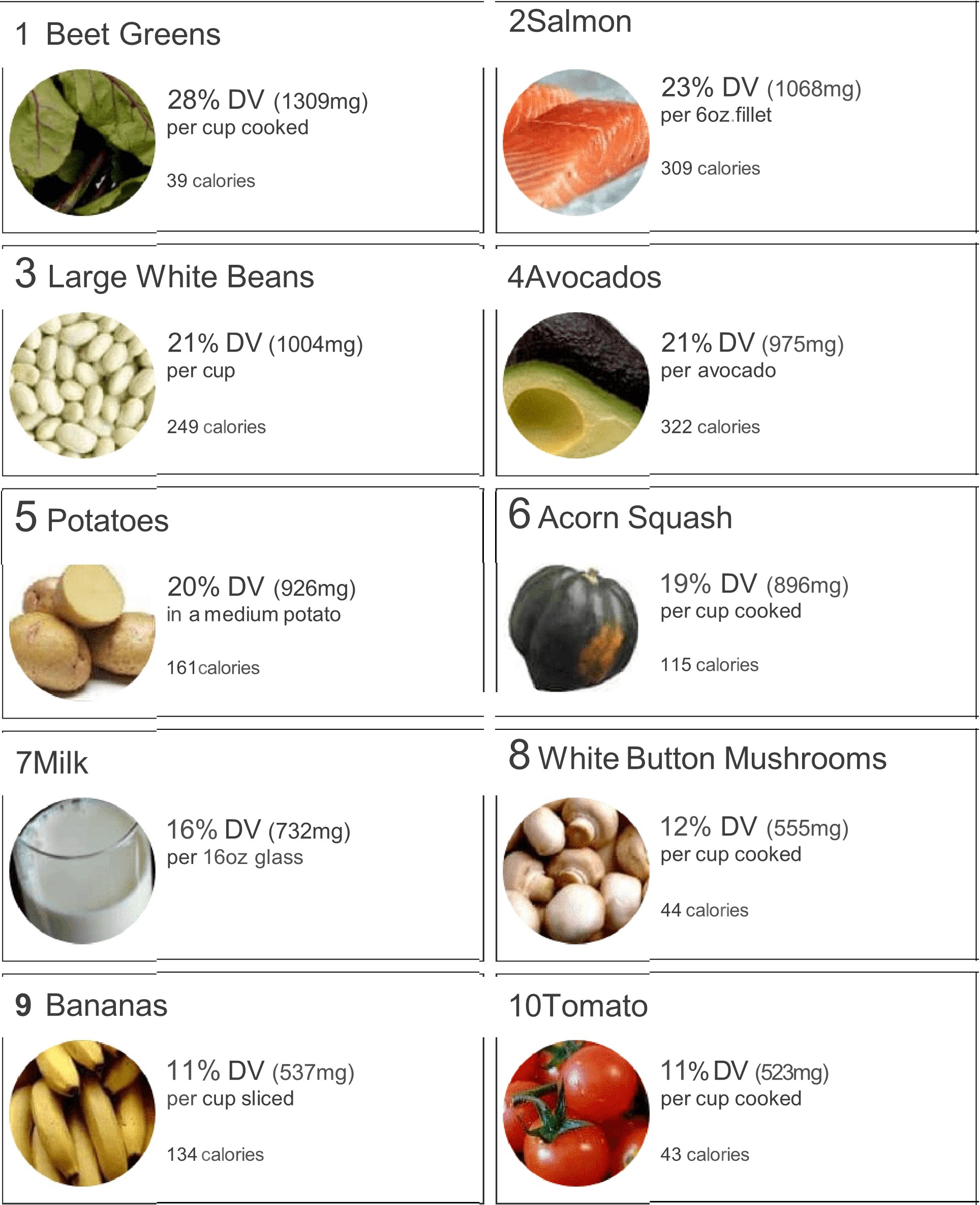
According to some sources, the food that contains the greatest amount of potassium among the four options is one small baked potato, with about 925 mg of potassium per serving1. The other foods have much lower amounts of potassium: 1 oz of cheddar cheese has about 28 mg, 1 cup of brown rice has about 84 mg, and one medium raw tomato has about 290 mg.
B. 1 oz of cheddar cheese
C. 1 cup of brown rice
D. One medium raw tomato
Full Explanation
According to some sources, the food that contains the greatest amount of potassium among the four options is one small baked potato, with about 925 mg of potassium per serving1.
The other foods have much lower amounts of potassium: 1 oz of cheddar cheese has about 28 mg, 1 cup of brown rice has about 84 mg, and one medium raw tomato has about 290 mg.
A nurse is selecting food items for a client who follows a lacto-vegetarian diet. Which of the following foods should the nurse include in the meals?
A. Shrimp
Shrimp and hamburger are not suitable for a lacto-vegetarian diet because they are animal flesh.
B. Hamburger
C. Cheese
A lacto-vegetarian diet is a type of vegetarianism that excludes meat, poultry, seafood, and eggs, but includes dairy products, such as milk, cheese, and yogurt. Therefore, the foods that the nurse should include in the meals for a client who follows a lacto-vegetarian diet are cheese and yogurt.
D. Eggs
Eggs are also not allowed because they are animal products.
Full Explanation
A lacto-vegetarian diet is a type of vegetarianism that excludes meat, poultry, seafood, and eggs, but includes dairy products, such as milk, cheese, and yogurt. Therefore, the foods that the nurse should include in the meals for a client who follows a lacto-vegetarian diet are cheese and yogurt.
Shrimp and hamburger are not suitable for a lacto-vegetarian diet because they are animal flesh.
Eggs are also not allowed because they are animal products.
A nurse is reviewing the laboratory results of a client who has bulimia nervosa. The nurse should notify the provider of which of the following results?
A. Potassium 3.2 mEq/L
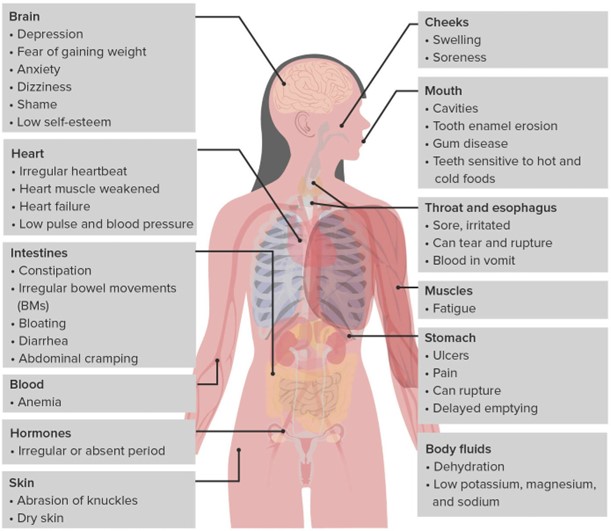
The nurse should notify the provider of the result indicating a low potassium level of 3.2 mEq/L in the client with bulimia nervosa. Low potassium levels, known as hypokalemia, can be a significant concern in individuals with bulimia nervosa due to the frequent purging behaviors associated with the condition. Purging, such as self-induced vomiting or misuse of laxatives or diuretics, can lead to excessive loss of potassium from the body. Hypokalemia can have serious consequences, including cardiac arrhythmias, muscle weakness, fatigue, and even life-threatening complications. The normal range for potassium is typically around 3.5-5.0 mEq/L. With a potassium level of 3.2 mEq/L falling below the normal range, it indicates a low potassium level and requires prompt attention.
B. WBC 5,200/mm3
A WBC (white blood cell) count of 5,200/mm3 falls within the normal range (typically between 4,500 and 11,000/mm3) and indicates a normal white blood cell count.
C. Hgb 14 g/dL
An Hgb (hemoglobin) level of 14 g/dL falls within the normal range (typically between 12 and 16 g/dL) and indicates a normal hemoglobin level.
D. Magnesium 1.6 mEq/L
A magnesium level of 1.6 mEq/L, although slightly low, is still within the normal range (typically between 1.5 and 2.5 mEq/L). The nurse should monitor it closely and assess for symptoms associated with hypomagnesemia. If the client's symptoms or other clinical indications suggest a significant magnesium imbalance, the healthcare provider should be notified.
Full Explanation
Low potassium levels, known as hypokalemia, can be a significant concern in individuals with bulimia nervosa due to the frequent purging behaviors associated with the condition. Purging, such as self-induced vomiting or misuse of laxatives or diuretics, can lead to excessive loss of potassium from the body. Hypokalemia can have serious consequences, including cardiac arrhythmias, muscle weakness, fatigue, and even life-threatening complications.
The normal range for potassium is typically around 3.5-5.0 mEq/L. With a potassium level of 3.2 mEq/L falling below the normal range, it indicates a low potassium level and requires prompt attention.
The other laboratory results mentioned in the question are within normal ranges:
● A WBC (white blood cell) count of 5,200/mm3 falls within the normal range (typically between 4,500 and 11,000/mm3) and indicates a normal white blood cell count.
● An Hgb (hemoglobin) level of 14 g/dL falls within the normal range (typically between 12 and 16 g/dL) and indicates a normal hemoglobin level.
● A magnesium level of 1.6 mEq/L, although slightly low, is still within the normal range (typically between 1.5 and 2.5 mEq/L). The nurse should monitor it closely and assess for symptoms associated with hypomagnesemia. If the client's symptoms or other clinical indications suggest a significant magnesium imbalance, the healthcare provider should be notified.