
Nursing practice questions with comprehensive rationales
NurseDive Free Nursing Practice Question
A nurse is teaching a client who has diabetes mellitus about foot care.
Which of the following instructions should the nurse include?
A. "Wear cotton rather than nylon socks.".
People with diabetes should wear cotton rather than nylon socks. Cotton socks are more breathable and can help keep feet dry, reducing the risk of infection.
B. "Use a heating pad to keep your feet warm at night.".
Choice B is not the answer because people with diabetes should never use a heating pad on their feet.
C. "Wear loose-fitting slippers around the house.".
Choice C is not the answer because people with diabetes should avoid walking barefoot, even around the house.
D. "Wash your feet twice per day with antibacterial soap and hot water.".
Choice D is not the answer because people with diabetes should wash their feet every day in warm water with mild soap, not hot water and antibacterial soap.
This question is an excerpt from Nurse Dive's nursing test bank - ATI Adult Medical Surgical 2019 Proctored Exam. Take the full exam now
Full Explanation
People with diabetes should wear cotton rather than nylon socks.
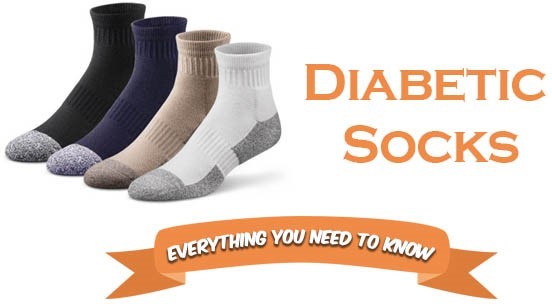
Cotton socks are more breathable and can help keep feet dry, reducing the risk of infection.
Choice B is not the answer because people with diabetes should never use a heating pad on their feet.
Choice C is not the answer because people with diabetes should avoid walking barefoot, even around the house.
Choice D is not the answer because people with diabetes should wash their feet every day in warm water with mild soap, not hot water and antibacterial soap.
Similar Questions
A nurse is caring for a client who has diabetes mellitus and has been following a treatment plan for 3 months.
Which of the following laboratory results should the nurse monitor to determine long-term glycemic control?
A. Fasting blood glucose level.
Choice A is not the answer because fasting blood glucose level reflects only short-term glycemic control.
B. Glycosylated hemoglobin level.
The glycosylated hemoglobin level (also known as HbA1c or A1C) is a laboratory test that reflects average levels of blood glucose over the previous two to three months. It is the most widely used test to monitor chronic glycemic management.
C. Oral glucose tolerance test results.
Choice C is not the answer because oral glucose tolerance test results reflect only short-term glycemic control.
D. Postprandial blood glucose level.
Choice D is not the answer because postprandial blood glucose level reflects only short-term glycemic control.
Full Explanation
The glycosylated hemoglobin level (also known as HbA1c or A1C) is a laboratory test that reflects average levels of blood glucose over the previous two to three months.
It is the most widely used test to monitor chronic glycemic management.
Choice A is not the answer because fasting blood glucose level reflects only short-term glycemic control.
Choice C is not the answer because oral glucose tolerance test results reflect only short-term glycemic control.
Choice D is not the answer because postprandial blood glucose level reflects only short-term glycemic control.
A nurse is assessing a client who is preoperative and reports an allergy to bananas.
The nurse should recognize that the client is at risk for an allergic cross-reactivity to which of the following substances?
A. Latex.
A banana allergy is often connected to a latex allergy. This is because some of the proteins in the rubber trees that produce latex are known to cause allergies, and they are similar to the proteins found in some nuts and fruits, including bananas. This syndrome is known as latex-food syndrome or latex-fruit allergy.
B. Anesthetics.
Choice B is not the answer because there is no known cross-reactivity between bananas and anesthetics.
C. Povidone-iodine.
Choice C is not the answer because there is no known cross-reactivity between bananas and povidone-iodine.
D. Adhesive tape.
Choice D is not the answer because there is no known cross-reactivity between bananas and adhesive tape.
Full Explanation
A banana allergy is often connected to a latex allergy.
This is because some of the proteins in the rubber trees that produce latex are known to cause allergies, and they are similar to the proteins found in some nuts and fruits, including bananas.
This syndrome is known as latex-food syndrome or latex-fruit allergy.
Choice B is not the answer because there is no known cross-reactivity between bananas and anesthetics.
Choice C is not the answer because there is no known cross-reactivity between bananas and povidone-iodine.
Choice D is not the answer because there is no known cross-reactivity between bananas and adhesive tape.
A nurse is caring for a client who has hypotension, cool and clammy skin, tachycardia, and tachypnea.
In which of the following positions should the nurse place the client?
A. High-Fowler's.
Choice A is not the answer because the Reverse Trendelenburg position does not help improve blood flow to vital organs.
B. Side-lying.
Choice B is not the answer because the side-lying position does not help improve blood flow to vital organs.
C. Feet elevated.
The nurse should place the client in a position with their feet elevated. This position helps to increase blood flow to the vital organs and can help improve the client’s blood pressure.
D. Reverse Trendelenburg.
Choice D is not the answer because High-Fowler’s position does not help improve blood flow to vital organs.
Full Explanation
The nurse should place the client in a position with their feet elevated.
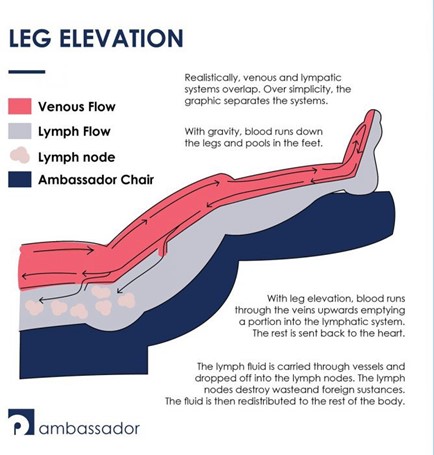
This position helps to increase blood flow to the vital organs and can help improve the client’s blood pressure.
Choice A is not the answer because the Reverse Trendelenburg position does not help improve blood flow to vital organs.
Choice B is not the answer because the side-lying position does not help improve blood flow to vital organs.
Choice D is not the answer because High-Fowler’s position does not help improve blood flow to vital organs.