Nursing practice questions with comprehensive rationales
NurseDive Free Nursing Practice Question
A. I do not need a pump to administer my feedings.
A pump is usually needed to administer intermittent tube feedings, as it can control the flow rate and volume of the formula. A pump can also prevent overfeeding, aspiration, or diarrhea.
B. I should administer my feedings over 10 to 20 minutes.
Administering feedings over 10 to 20 minutes is too fast, as it can cause abdominal cramps, nausea, vomiting, or dumping syndrome. Intermittent tube feedings should be administered over 30 to 60 minutes.
C. I can administer my feedings while I sleep at night.
Administering feedings while sleeping at night is not recommended, as it can increase the risk of aspiration, reflux, or infection. Intermittent tube feedings should be administered during waking hours and with the head of the bed elevated at least 30 degrees.
D. I should advance the rate of my feedings slowly.
Advancing the rate of feedings slowly is advisable, as it can help the body adjust to the formula and prevent intolerance or complications. The rate should be increased gradually until the desired goal is reached.
This question is an excerpt from Nurse Dive's nursing test bank - RN Nutrition 2019 Nexy Updated 2023 Proctored Exam. Take the full exam now
Full Explanation
Choice A reason: A pump is usually needed to administer intermittent tube feedings, as it can control the flow rate and volume of the formula. A pump can also prevent overfeeding, aspiration, or diarrhea.
Choice B reason: Administering feedings over 10 to 20 minutes is too fast, as it can cause abdominal cramps, nausea, vomiting, or dumping syndrome. Intermittent tube feedings should be administered over 30 to 60 minutes.
Choice C reason: Administering feedings while sleeping at night is not recommended, as it can increase the risk of aspiration, reflux, or infection. Intermittent tube feedings should be administered during waking hours and with the head of the bed elevated at least 30 degrees.
Choice D reason: Advancing the rate of feedings slowly is advisable, as it can help the body adjust to the formula and prevent intolerance or complications. The rate should be increased gradually until the desired goal is reached.
Similar Questions
A nurse is teaching a client who is receiving enteral nutrition via intermittent tube feedings. Which of the following statements by the client indicates an understanding of the teaching?
A. I do not need a pump to administer my feedings.
A pump is usually needed to administer intermittent tube feedings, as it can control the flow rate and volume of the formula. A pump can also prevent overfeeding, aspiration, or diarrhea.
B. I should administer my feedings over 10 to 20 minutes.
Administering feedings over 10 to 20 minutes is too fast, as it can cause abdominal cramps, nausea, vomiting, or dumping syndrome. Intermittent tube feedings should be administered over 30 to 60 minutes.
C. I can administer my feedings while I sleep at night.
Administering feedings while sleeping at night is not recommended, as it can increase the risk of aspiration, reflux, or infection. Intermittent tube feedings should be administered during waking hours and with the head of the bed elevated at least 30 degrees.
D. I should advance the rate of my feedings slowly.
Advancing the rate of feedings slowly is advisable, as it can help the body adjust to the formula and prevent intolerance or complications. The rate should be increased gradually until the desired goal is reached.
Full Explanation
Choice A reason: A pump is usually needed to administer intermittent tube feedings, as it can control the flow rate and volume of the formula. A pump can also prevent overfeeding, aspiration, or diarrhea.
Choice B reason: Administering feedings over 10 to 20 minutes is too fast, as it can cause abdominal cramps, nausea, vomiting, or dumping syndrome. Intermittent tube feedings should be administered over 30 to 60 minutes.
Choice C reason: Administering feedings while sleeping at night is not recommended, as it can increase the risk of aspiration, reflux, or infection. Intermittent tube feedings should be administered during waking hours and with the head of the bed elevated at least 30 degrees.
Choice D reason: Advancing the rate of feedings slowly is advisable, as it can help the body adjust to the formula and prevent intolerance or complications. The rate should be increased gradually until the desired goal is reached.
A nurse is providing postpartum education about newborn feedings to a client who has recently given birth. Which of the following information should the nurse include about bottle feeding?
A. Feedings should be accompanied by nonnutritive sucking.
Feedings should not be accompanied by nonnutritive sucking. Nonnutritive sucking is the act of sucking on a pacifier, finger, or other object without getting any nutrition. Nonnutritive sucking can interfere with the establishment of breastfeeding, cause nipple confusion, and reduce milk supply.
B. Feedings should be on demand.
Feedings should be on demand. On demand feeding means feeding the newborn whenever they show signs of hunger, such as rooting, sucking, or crying. On demand feeding helps the newborn regulate their appetite, meet their nutritional needs, and bond with their caregiver.
C. Feedings should begin within 1 hr after birth.
Feedings should not begin within 1 hr after birth. This instruction is applicable for breastfeeding, not bottle feeding. Breastfeeding should begin within 1 hr after birth to initiate milk production, stimulate uterine contractions, and transfer colostrum to the newborn. Bottle feeding can be delayed until the newborn is stable and alert.
D. Feedings may occur in clusters.
Feedings may not occur in clusters. Cluster feeding means feeding the newborn more frequently and for longer periods of time during certain times of the day or night. Cluster feeding is common in breastfed newborns, especially during growth spurts or developmental leaps. Bottle fed newborns may not exhibit cluster feeding, as they tend to have more consistent and predictable feeding patterns.
Full Explanation
Choice A reason: Feedings should not be accompanied by nonnutritive sucking. Nonnutritive sucking is the act of sucking on a pacifier, finger, or other object without getting any nutrition. Nonnutritive sucking can interfere with the establishment of breastfeeding, cause nipple confusion, and reduce milk supply.
Choice B reason: Feedings should be on demand. On demand feeding means feeding the newborn whenever they show signs of hunger, such as rooting, sucking, or crying. On demand feeding helps the newborn regulate their appetite, meet their nutritional needs, and bond with their caregiver.
Choice C reason: Feedings should not begin within 1 hr after birth. This instruction is applicable for breastfeeding, not bottle feeding. Breastfeeding should begin within 1 hr after birth to initiate milk production, stimulate uterine contractions, and transfer colostrum to the newborn. Bottle feeding can be delayed until the newborn is stable and alert.
Choice D reason: Feedings may not occur in clusters. Cluster feeding means feeding the newborn more frequently and for longer periods of time during certain times of the day or night. Cluster feeding is common in breastfed newborns, especially during growth spurts or developmental leaps. Bottle fed newborns may not exhibit cluster feeding, as they tend to have more consistent and predictable feeding patterns.
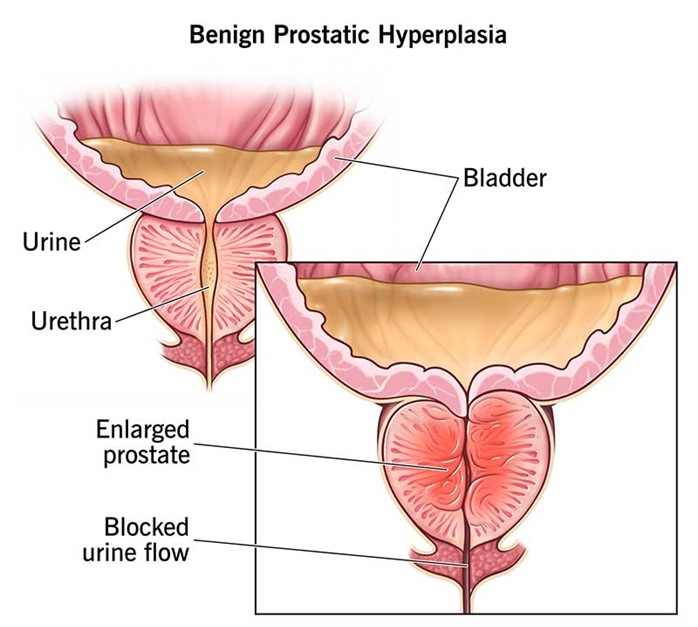
A nurse is caring for a client who has benign prostatic hyperplasia. Which of the following findings indicates that the client's treatment has been effective?
A. The client has a creatinine level of 1.0 mg/dL.
The client's creatinine level of 1.0 mg/dL is within the normal range (0.6-1.2), but it does not indicate the effectiveness of the treatment for benign prostatic hyperplasia. Creatinine is a waste product of muscle metabolism that is filtered by the kidneys. High creatinine levels can indicate kidney damage or impaired renal function.
B. The client has a urine output of 35 mL/hr.
The client's urine output of 35 mL/hr is below the normal range (40-60), and it indicates the need for further assessment. Low urine output can indicate dehydration, urinary retention, or kidney failure.
C. The client passes soft, brown stool.
The client's stool consistency and color are not related to the treatment for benign prostatic hyperplasia. Soft, brown stool is normal and does not indicate any problem with the digestive system.
D. The client does not have to strain to begin urination.
The client's ability to urinate without straining indicates that the treatment for benign prostatic hyperplasia has been effective. Benign prostatic hyperplasia is a condition in which the prostate gland enlarges and compresses the urethra, causing difficulty in urination. Treatment options include medication, surgery, or minimally invasive procedures to reduce the size of the prostate and relieve urinary obstruction.
Full Explanation
Choice A reason: The client's creatinine level of 1.0 mg/dL is within the normal range (0.6-1.2), but it does not indicate the effectiveness of the treatment for benign prostatic hyperplasia. Creatinine is a waste product of muscle metabolism that is filtered by the kidneys. High creatinine levels can indicate kidney damage or impaired renal function.
Choice B reason: The client's urine output of 35 mL/hr is below the normal range (40-60), and it indicates the need for further assessment. Low urine output can indicate dehydration, urinary retention, or kidney failure.
Choice C reason: The client's stool consistency and color are not related to the treatment for benign prostatic hyperplasia. Soft, brown stool is normal and does not indicate any problem with the digestive system.
Choice D reason: The client's ability to urinate without straining indicates that the treatment for benign prostatic hyperplasia has been effective. Benign prostatic hyperplasia is a condition in which the prostate gland enlarges and compresses the urethra, causing difficulty in urination. Treatment options include medication, surgery, or minimally invasive procedures to reduce the size of the prostate and relieve urinary obstruction.