
Nursing practice questions with comprehensive rationales
NurseDive Free Nursing Practice Question
The follow questions refer to the patient described below:
A 9 yr. old child with both hydrocephalus and a cardiac defect weighs 55 pounds. He requires digoxin by mouth once daily, the dose should be held if there are any symptoms of toxicity.
Pediatric maintenance dose is 5 mcg/kg daily given as a single dose. After listening to the apical rate for one full minute, you note it is only 50. Should you administer the digoxin as ordered?
A. NO
B. Just administer it without checking
C. instruct mom to give it
D. Yes
This question is an excerpt from Nurse Dive's nursing test bank - ATI PAEDIATRICS PROCTORED EXAM - SIMMONS U BSN. Take the full exam now
Full Explanation
Digoxin is a medication commonly used to treat certain heart conditions, including some congenital heart defects. It's important to monitor the heart rate and other signs of toxicity when administering digoxin, especially in pediatric patients. Let's break down the information given:
The pediatric maintenance dose of digoxin is 5 mcg/kg daily.
The child weighs 55 pounds (approximately 25 kg).
Given these values, the total daily dose for this child would be:
Total daily dose = 5 mcg/kg × 25 kg = 125 mcg
This total daily dose is usually given as a single dose. However, the child's heart rate is noted to be only 50 beats per minute (bpm). A heart rate of 50 bpm in a child could potentially indicate bradycardia (slow heart rate), which can be a sign of digoxin toxicity. Bradycardia is a known adverse effect of digoxin, and it's important to assess for other signs of toxicity as well, such as nausea, vomiting, and changes in color vision.
In this case, it would be prudent to withhold the digoxin and assess the child further for signs of toxicity or bradycardia. The dose should not be administered until the healthcare provider is consulted and appropriate action is determined.
So, the correct answer is indeed NO. Administering the digoxin without considering the slow heart rate and the potential for toxicity could be unsafe for the child.
Similar Questions
A nurse in a special education program is planning care for a child who has autism spectrum disorder. Which of the following interventions should the nurse include in the plan of care?
A. Allow for adjustment of rules to correlate with the child's behavior
While flexibility can be important, allowing rules to be adjusted based on behavior can lead to inconsistency and confusion for the child. Consistent rules and expectations are crucial for children with ASD, as they thrive on predictability and structure.
B. Allow for imaginative play with peers without supervision.
Children with ASD may have difficulties with social interactions and imaginative play. Supervision is important to ensure that play is safe, appropriate, and supportive of social skill development. Unsupervised play might not be beneficial if it leads to misunderstandings or conflicts.
C. Provide a flexible schedule that adjusts to the child's interests.
Children with ASD generally benefit from a structured and predictable schedule rather than a flexible one that changes based on their interests. Predictability helps them feel secure and reduces anxiety. A flexible schedule could lead to increased stress and difficulty in transitioning between activities.
D. Establish a reward system for positive behavior
A reward system is an effective strategy for encouraging positive behavior in children with ASD. Reinforcement of desired behaviors helps to build and maintain new skills and can provide motivation. This approach aligns well with behavioral interventions commonly used with children on the autism spectrum.
Full Explanation
a. Allow for adjustment of rules to correlate with the child's behavior: While flexibility can be important, allowing rules to be adjusted based on behavior can lead to inconsistency and confusion for the child. Consistent rules and expectations are crucial for children with ASD, as they thrive on predictability and structure.
b. Allow for imaginative play with peers without supervision: Children with ASD may have difficulties with social interactions and imaginative play. Supervision is important to ensure that play is safe, appropriate, and supportive of social skill development. Unsupervised play might not be beneficial if it leads to misunderstandings or conflicts.
c. Provide a flexible schedule that adjusts to the child's interests: Children with ASD generally benefit from a structured and predictable schedule rather than a flexible one that changes based on their interests. Predictability helps them feel secure and reduces anxiety. A flexible schedule could lead to increased stress and difficulty in transitioning between activities.
d. Establish a reward system for positive behavior: A reward system is an effective strategy for encouraging positive behavior in children with ASD. Reinforcement of desired behaviors helps to build and maintain new skills and can provide motivation. This approach aligns well with behavioral interventions commonly used with children on the autism spectrum.
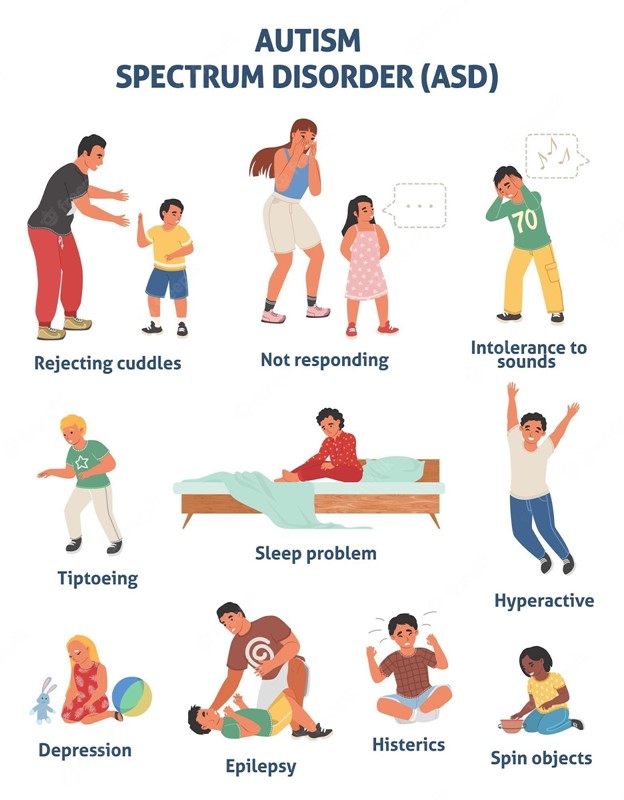
A nurse in a special education program is planning care for a child who has autism spectrum disorder. Which of the following interventions should the nurse include in the plan of care?
A. Allow for adjustment of rules to correlate with the child's behavior.
Rules should be consistent and predictable for children with ASD. Frequently changing or “adjusting” rules to match variable behavior increases confusion and anxiety and reduces opportunities to learn expected behaviors.
B. Allow for imaginative play with peers without supervision.
Many children with ASD need structured, supervised social interactions and support to learn play skills, take turns, and interpret social cues. Unsupervised imaginative play may lead to misunderstanding, frustration, or safety issues.
C. Provide a flexible schedule that adjusts to the child's interests.
While incorporating a child’s interests into activities is useful, children with ASD generally do best with a structured, predictable schedule. Sudden flexibility or frequent schedule changes can be disorienting. Best practice: keep a consistent routine but incorporate preferred interests within that structure.
D. Establish a reward system for positive behavior
A reward system (token economy, sticker charts, immediate specific praise) provides clear, consistent, and concrete reinforcement for targeted behaviors. This increases motivation, helps teach expected behaviors, and can be faded gradually as behaviors become routine.
Full Explanation
A. Allow for adjustment of rules to correlate with the child's behavior. Rules should be consistent and predictable for children with ASD. Frequently changing or “adjusting” rules to match variable behavior increases confusion and anxiety and reduces opportunities to learn expected behaviors.
B. Allow for imaginative play with peers without supervision.
Many children with ASD need structured, supervised social interactions and support to learn play skills, take turns, and interpret social cues. Unsupervised imaginative play may lead to misunderstanding, frustration, or safety issues.
C. Provide a flexible schedule that adjusts to the child's interests.
While incorporating a child’s interests into activities is useful, children with ASD generally do best with a structured, predictable schedule. Sudden flexibility or frequent schedule changes can be disorienting. Best practice: keep a consistent routine but incorporate preferred interests within that structure.
D. Establish a reward system for positive behavior. A reward system (token economy, sticker charts, immediate specific praise) provides clear, consistent, and concrete reinforcement for targeted behaviors. This increases motivation, helps teach expected behaviors, and can be faded gradually as behaviors become routine.
A nurse is teaching a school-age child who has type 1 diabetes mellitus and his parents about illness management. Which of the following instructions should the nurse include?
A. "Limit fluid intake during meal time."
Limiting fluid intake during meals is not a standard practice for managing type 1 diabetes. Proper hydration is important for overall health, and fluids should be consumed as needed.
B. "Notify the provider if blood glucose levels are over 350 milligrams/decilitre
Blood glucose levels over 350 mg/dL can indicate hyperglycemia, which requires prompt attention. High blood glucose levels can lead to complications if not addressed promptly. Contacting the healthcare provider is an appropriate step. However, consistentBlood Glucose Levels Above 240 mg/dL (13.3 mmol/L) or presence of symptoms likefrequent urination, thirst, blurry vision, or fatigue) are concerning. The clientshould have contacted the health care provider by this point.
C. Test the urine for ketones.
Testing urine for ketones is an important instruction. Ketones are produced when the body breaks down fat for energy, often in the absence of sufficient insulin. High ketone levels can indicate diabetic ketoacidosis (DKA), a serious complication. Regular ketone testing, especially during illness or high blood glucose levels, helps monitor for DKA.
D. "Withhold insulin dose if feeling nauseous"
This instruction is not accurate. Nausea could be a sign of various conditions, including illness. Insulin should not be withheld without consulting a healthcare provider. Managing insulin doses appropriately is crucial to maintaining blood glucose control
Full Explanation
A) "Limit fluid intake during mealtime":
Limiting fluid intake during meals is not a standard practice for managing type 1 diabetes. Proper hydration is important for overall health, and fluids should be consumed as needed.
B) "Notify the provider if blood glucose levels are over 350 milligrams/deciliter":
Blood glucose levels over 350 mg/dL can indicate hyperglycemia, which requires prompt attention. High blood glucose levels can lead to complications if not addressed promptly. Contacting the healthcare provider is an appropriate step. However, consistent Blood Glucose Levels Above 240 mg/dL (13.3 mmol/L) or presence of symptoms like frequent urination, thirst, blurry vision, or fatigue) are concerning. The client should have contacted the health care provider by this point.
C) "Test the urine for ketones":
Testing urine for ketones is an important instruction. Ketones are produced when the body breaks down fat for energy, often in the absence of sufficient insulin. High ketone levels can indicate diabetic ketoacidosis (DKA), a serious complication. Regular ketone testing, especially during illness or high blood glucose levels, helps monitor for DKA.
D) "Withhold insulin dose if feeling nauseous":
This instruction is not accurate. Nausea could be a sign of various conditions, including illness. Insulin should not be withheld without consulting a healthcare provider. Managing insulin doses appropriately is crucial to maintaining blood glucose control