Nursing practice questions with comprehensive rationales
NurseDive Free Nursing Practice Question
The nurse is assigned to care for four surgical clients. After receiving report, which client should the nurse see first?
A. An adult who is in Buck's traction, and scheduled for hip arthroplasty within the next 12 hours.
Incorrect- Hip arthroplasty is a scheduled procedure, and there is no immediate indication of a critical condition that requires urgent attention.
B. An older client who is receiving packed red blood cells on the third day postoperatively for colon resection.
Correct- Postoperative hemorrhage is a serious complication, and an older client receiving packed red blood cells may be experiencing active bleeding. This situation requires immediate assessment and intervention.
C. An older client with continuous bladder irrigation who is 2 days postoperatively for bladder surgery.
Incorrect- While continuous bladder irrigation requires monitoring, it is not as urgent as a potential postoperative hemorrhage.
D. An adult one day postoperative laparoscopic cholecystectomy requesting pain medication.
Incorrect- Pain management is important, but it is not as urgent as assessing a client who may be experiencing active bleeding.
This question is an excerpt from Nurse Dive's nursing test bank - RN Hesi Exit Proctored Exam. Take the full exam now
Full Explanation
A) Incorrect- Hip arthroplasty is a scheduled procedure, and there is no immediate indication of a critical condition that requires urgent attention.
B) Correct- Postoperative hemorrhage is a serious complication, and an older client receiving packed red blood cells may be experiencing active bleeding. This situation requires immediate assessment and intervention.
C) Incorrect- While continuous bladder irrigation requires monitoring, it is not as urgent as a potential postoperative hemorrhage.
D) Incorrect- Pain management is important, but it is not as urgent as assessing a client who may be experiencing active bleeding.
Similar Questions
The nurse at the 9-month visit reviews the child's height, weight, and feeding progression history.
What should the nurse advise the parents concerning the child's nutrition? Select all that apply
A. Juice should be avoided in infancy and early childhood
Correct- This is correct advice. Juice is not recommended for infants due to its high sugar content and lack of essential nutrients. It can contribute to excessive calorie intake and dental caries.
B. The majority of the child's calories should be coming from the formula
Incorrect- This is not accurate for a 9-month-old infant. By 9 months, most infants have already started to transition to solid foods, and their primary source of nutrition should be from a variety of solid foods, not formula.
C. The parents can add raw fruit, cheese, or firmly cooked vegetables to the die
Correct- This is correct advice. By 9 months, infants can begin to consume a variety of complementary foods to meet their nutritional needs. Adding raw fruit, cheese, or cooked vegetables can provide important nutrients and help introduce different tastes and textures.
D. The child should probably be eating more times per day
Correct- As infants transition to solid foods, they typically require more frequent meals and snacks to meet their energy and nutrient needs. Breast milk or formula intake may also gradually decrease as solid foods are introduced.
E. The parents should consider using a fluoride supplement
Incorrect- Fluoride supplementation may be considered based on the fluoride content of the water supply and the child's risk of dental caries. However, this advice is not specific to the child's nutrition and feeding progression.
F. The child can now convert to animal milk instead of formula
Incorrect- At 9 months, infants should not transition to whole cow's milk as their main source of nutrition. Breast milk or infant formula remains the primary source of nutrition, and cow's milk can be introduced as a beverage and ingredient in cooking after the first year of life.
Full Explanation
A) Correct- This is correct advice. Juice is not recommended for infants due to its high sugar content and lack of essential nutrients. It can contribute to excessive calorie intake and dental caries.
B) Incorrect- This is not accurate for a 9-month-old infant. By 9 months, most infants have already started to transition to solid foods, and their primary source of nutrition should be from a variety of solid foods, not formula.
C) Correct- This is correct advice. By 9 months, infants can begin to consume a variety of complementary foods to meet their nutritional needs. Adding raw fruit, cheese, or cooked vegetables can provide important nutrients and help introduce different tastes and textures.
D) Correct- As infants transition to solid foods, they typically require more frequent meals and snacks to meet their energy and nutrient needs. Breast milk or formula intake may also gradually decrease as solid foods are introduced.
E) Incorrect- Fluoride supplementation may be considered based on the fluoride content of the water supply and the child's risk of dental caries. However, this advice is not specific to the child's nutrition and feeding progression.
F. Incorrect- At 9 months, infants should not transition to whole cow's milk as their main source of nutrition. Breast milk or infant formula remains the primary source of nutrition, and cow's milk can be introduced as a beverage and ingredient in cooking after the first year of life.
An unlicensed assistive personnel (UAP) is assigned to a client with flu-like symptoms who has been placed on droplet precautions. The UAP requests a change in assignment, stating she has not yet been fitted for a particulate filter mask. Which action should the nurse take?
A. Send the UAP to be fitted for a particulate filter mask immediately so she can provide care to this client.
This option is unnecessary because droplet precautions do not require a particulate filter mask. Particulate filter masks are needed for airborne precautions. Sending the UAP for fitting delays care without providing additional safety benefits for droplet precautions.
B. Advise the UAP to wear a standard face mask to obtain vital signs, and then get fitted for a filter mask before providing personal care.
While a standard face mask is appropriate for droplet precautions, the part about getting fitted for a filter mask is unnecessary. It implies that a particulate filter mask is needed, which it is not for droplet precautions. This option also incorrectly suggests that vital signs can be obtained with a standard mask, but personal care requires a particulate filter mask, which is not accurate.
C. Instruct the DAP that a standard face mask is sufficient to be able to provide care for the assigned client.
Droplet precautions require the use of a standard face mask, not a particulate filter mask (such as an N95 respirator). Particulate filter masks are required for airborne precautions, which are necessary for diseases like tuberculosis, measles, or chickenpox. For droplet precautions, a standard surgical mask is adequate to prevent the transmission of infections like influenza. Thus, the UAP can safely provide care to the client with flu-like symptoms by wearing a standard face mask.
D. Before changing assignments, determine which staff members have fitted particulate filter masks.
This option is unnecessary because a particulate filter mask is not required for droplet precautions. Changing assignments based on this criterion is not needed and could disrupt the workflow without enhancing safety. The focus should be on ensuring staff understand and use the appropriate PPE for droplet precautions.
Full Explanation
A) This option is unnecessary because droplet precautions do not require a particulate filter mask. Particulate filter masks are needed for airborne precautions. Sending the UAP for fitting delays care without providing additional safety benefits for droplet precautions.
B) While a standard face mask is appropriate for droplet precautions, the part about getting fitted for a filter mask is unnecessary. It implies that a particulate filter mask is needed, which it is not for droplet precautions. This option also incorrectly suggests that vital signs can be obtained with a standard mask, but personal care requires a particulate filter mask, which is not accurate.
C) Droplet precautions require the use of a standard face mask, not a particulate filter mask (such as an N95 respirator). Particulate filter masks are required for airborne precautions, which are necessary for diseases like tuberculosis, measles, or chickenpox. For droplet precautions, a standard surgical mask is adequate to prevent the transmission of infections like influenza. Thus, the UAP can safely provide care to the client with flu-like symptoms by wearing a standard face mask.
D) This option is unnecessary because a particulate filter mask is not required for droplet precautions. Changing assignments based on this criterion is not needed and could disrupt the workflow without enhancing safety. The focus should be on ensuring staff understand and use the appropriate PPE for droplet precautions.
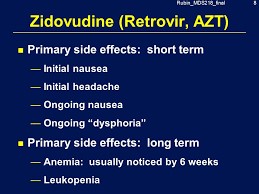
A client who is receiving zidovudine reports the appearance of pinpoint, red, round spots on the skin. Which result should the nurse report to the healthcare provider?
A. Complete blood count.
Correct- Zidovudine is an antiretroviral medication used in the treatment of HIV infection.One of the potential side effects of zidovudine is hematological toxicity, including anemia (low red blood cell count) and neutropenia (low white blood cell count). The appearance of pinpoint, red, round spots on the skin could be indicative of petechiae, which are small hemorrhages caused by the leakage of blood into the skin. Petechiae can occur due to low platelet counts, a component of the complete blood count (CBC). Monitoring the complete blood count is important for clients receiving zidovudine to identify any potential adverse effects on blood cell counts. Anemia and neutropenia can increase the risk of infection, bleeding, and other complications. Therefore, any changes in blood cell counts, including the presence of petechiae, should be reported to the healthcare provider for further evaluation and management.
B. Allergy test.
Incorrect- This is used to assess allergic reactions and is not specifically related to the appearance of petechiae.
C. Skin biopsy.
Incorrect- A skin biopsy is typically performed to diagnose skin conditions or diseases and is not the primary assessment to evaluate the cause of petechiae.
D. Electromyography.
Incorrect- Electromyography is a diagnostic test used to assess muscle and nerve function and is not relevant to the appearance of petechiae associated with zidovudine use.
Full Explanation
A) Correct- Zidovudine is an antiretroviral medication used in the treatment of HIV infection.
One of the potential side effects of zidovudine is hematological toxicity, including anemia (low red blood cell count) and neutropenia (low white blood cell count). The appearance of pinpoint, red, round spots on the skin could be indicative of petechiae, which are small hemorrhages caused by the leakage of blood into the skin. Petechiae can occur due to low platelet counts, a
component of the complete blood count (CBC). Monitoring the complete blood count is important for clients receiving zidovudine to identify any potential adverse effects on blood cell counts. Anemia and neutropenia can increase the risk of infection, bleeding, and other complications. Therefore, any changes in blood cell counts, including the presence of petechiae, should be reported to the healthcare provider for further evaluation and management.
B) Incorrect- This is used to assess allergic reactions and is not specifically related to the appearance of petechiae.
C) Incorrect- A skin biopsy is typically performed to diagnose skin conditions or diseases and is not the primary assessment to evaluate the cause of petechiae.
D) Incorrect- Electromyography is a diagnostic test used to assess muscle and nerve function and is not relevant to the appearance of petechiae associated with zidovudine use.