
Nursing practice questions with comprehensive rationales
NurseDive Free Nursing Practice Question
Which action should the practical nurse (PNA) prioritize for postoperative patient with a PCA (Patient- Controlled Analgesia) machine?
A. Coffee ground secretions drainage via nasogastric tube
This is not the correct answer because it is not a priority action that the PN should do for a postoperative patient with a PCA machine. Coffee ground secretions are dark brown or black granular material that are drained from the stomach via a nasogastric tube. They indicate bleeding in the upper gastrointestinal tract, such as from an ulcer, gastritis, or esophageal varices. Coffee ground secretions are a serious sign that require immediate atention and treatment³. However, they are not directly related to the use of a PCA machine or postoperative pain management. The PN should monitor the nasogastric tube drainage of the postoperative patient and report any coffee ground secretions to the health care provider, but this is not a priority action for a patient with a PCA machine.
B. Nasogastric tube suctioning
This is not the correct answer because it is not a priority action that the PN should do for a postoperative patient with a PCA machine. Nasogastric tube suctioning is a procedure that involves applying negative pressure to a nasogastric tube to remove gastric contents from the stomach. It can be used to decompress the stomach, prevent vomiting or aspiration, or treat gastrointestinal bleeding or obstruction⁴. However, it is not directly related to the use of a PCA machine or postoperative pain management. The PN should perform nasogastric tube suctioning as ordered by the health care provider and according to protocol, but this is not a priority action for a patient with a PCA machine.
C. Assessing pain management response
This is the correct answer because it is the most important and relevant action that the PN should do for a postoperative patient with a PCA machine. A PCA machine is a computerized device that allows the patient to self-administer a preset dose of pain medication, usually an opioid, by pressing a buton. The PCA machine is atached to an intravenous (IV) line that delivers the medication directly into the bloodstream. The PCA machine can provide effective and individualized pain relief for postoperative patients, as well as increase their sense of control and satisfaction. The PN should assess the pain management response of the postoperative patient with a PCA machine by monitoring their pain level, vital signs, oxygen saturation, sedation level, and side effects. The PN should use a valid and reliable pain scale, such as the numeric rating scale (NRS) or the visual analog scale (VAS), to measure the patient's pain intensity and relief. The PN should also check the settings and functioning of the PCA machine, such as the dose, lockout interval, and limit. The PN should document and report the patient's pain management response and any problems or complications with the PCA machine to the health care provider.
D. Ineffective pain management report
This is not the correct answer because it is not an action that the PN should do for a postoperative patient with a PCA machine. Ineffective pain management report is an outcome or evaluation that indicates that the patient's pain is not adequately controlled or relieved by the current treatment plan. It may be caused by various factors, such as inadequate dosing, inappropriate medication choice, poor adherence, tolerance, or side effects. However, it is not an action that the PN can implement or perform for a postoperative patient with a PCA machine. The PN should assess and document the patient's pain management response and report any ineffective pain management to the health care provider, but this is not an action for a patient with a PCA machine.
This question is an excerpt from Nurse Dive's nursing test bank - HESI PN Exit 2023 II Proctored Exam. Take the full exam now
Full Explanation
c) Assessing pain management response.
This is the correct answer because it is the most important and relevant action that the PN should do for a postoperative patient with a PCA machine. A PCA machine is a computerized device that allows the patient to self-administer a preset dose of pain medication, usually an opioid, by pressing a buton. The PCA machine is atached to an intravenous (IV) line that delivers the medication directly into the bloodstream. The PCA machine can provide effective and individualized pain relief for postoperative patients, as well as increase their sense of control and satisfaction¹².
The PN should assess the pain management response of the postoperative patient with a PCA machine by monitoring their pain level, vital signs, oxygen saturation, sedation level, and side effects. The PN should use a valid and reliable pain scale, such as the numeric rating scale (NRS) or the visual analog scale (VAS), to measure the patient's pain intensity and relief. The PN should also check the settings and functioning of the PCA machine, such as the dose, lockout interval, and limit. The PN should document and report the patient's pain management response and any problems or complications with the PCA machine to the health care provider.
a) Coffee ground secretions drainage via nasogastric tube.
This is not the correct answer because it is not a priority action that the PN should do for a postoperative patient with a PCA machine. Coffee ground secretions are dark brown or black granular material that are drained from the stomach via a nasogastric tube. They indicate bleeding in the upper gastrointestinal tract, such as from an ulcer, gastritis, or esophageal varices. Coffee ground secretions are a serious sign that require immediate atention and treatment³. However, they are not directly related to the use of a PCA machine or postoperative pain management. The PN should monitor the nasogastric tube drainage of the postoperative patient and report any coffee ground secretions to the health care provider, but this is not a priority action for a patient with a PCA machine.
b) Nasogastric tube suctioning.
This is not the correct answer because it is not a priority action that the PN should do for a postoperative patient with a PCA machine. Nasogastric tube suctioning is a procedure that involves applying negative pressure to a nasogastric tube to remove gastric contents from the stomach. It can be used to decompress the stomach, prevent vomiting or aspiration, or treat gastrointestinal bleeding or obstruction⁴. However, it is not directly related to the use of a PCA machine or postoperative pain management. The PN should perform nasogastric tube suctioning as ordered by the health care provider and according to protocol, but this is not a priority action for a patient with a PCA machine.
d) Ineffective pain management report.
This is not the correct answer because it is not an action that the PN should do for a postoperative patient with a PCA machine. Ineffective pain management report is an outcome or evaluation that indicates that the patient's pain is not adequately controlled or relieved by the current treatment plan. It may be caused by various factors, such as inadequate dosing, inappropriate medication choice, poor adherence, tolerance, or side effects⁵. However, it is not an action that the PN can implement or perform for a postoperative patient with a PCA machine. The PN should assess and document the patient's pain management response and report any ineffective pain management to the health care provider, but this is not an action for a patient with a PCA machine.
Similar Questions
Which statement by a mature adult client with advanced prostate cancer best indicates that he has reached a level of acceptance of his prognosis?
A. I have found the support I need from my faith and family
This statement indicates that the client has reached a level of acceptance of his prognosis, as he expresses a sense of peace, gratitude, and hope. He has found sources of strength and comfort from his faith and family, and he does not show signs of denial, anger, bargaining, or depression.
B. I understand this is a disease that occurs mostly in older men.
This statement indicates that the client is in the stage of rationalization, as he tries to justify or minimize his condition by stating a fact that does not address his feelings or needs.
C. I do not have any use for those who say this disease is going to win
This statement indicates that the client is in the stage of anger, as he shows resentment and hostility towards those who challenge his optimism or reality.
D. I think I had this disease for a long time, but the doctor did not find it
This statement indicates that the client has reached a level of acceptance of his prognosis, as he expresses a sense of peace, gratitude, and hope. He has found sources of strength and comfort from his faith and family, and he does not show signs of denial, anger, bargaining, or depression.
A client is scheduled for a thoracentesis that will be done at the bedside. What should the practical nurse (PN) prepare before the healthcare provider arrives to perform the procedure?
A. Gather the procedure tray and equipment.
The practical nurse should gather the necessary procedure tray and equipment to ensure everything is ready for the healthcare provider to perform the thoracentesis efficiently and safely.
B. Cleanse the site and cover with a sterile towel.
Cleansing the site and covering it with a sterile towel is part of the procedure itself and should be done by the healthcare provider performing the thoracentesis.
C. Keep the patient NPO (nothing by mouth) and encourage them to void.
Keeping the patient NPO (nothing by mouth) and encouraging them to void is not necessary for a thoracentesis. This procedure typically does not require the patient to be NPO.
D. Place the patient in an orthopneic position.
Placing the patient in an orthopneic position (sitting up and leaning forward) is important for the procedure, but it should be done closer to the time of the procedure, not necessarily as a preparatory step.
Full Explanation
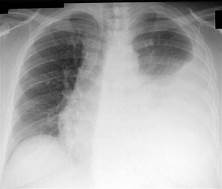
The correct answer is choice A. Gather the procedure tray and equipment.
Choice A rationale:
The practical nurse should gather the necessary procedure tray and equipment to ensure everything is ready for the healthcare provider to perform the thoracentesis efficiently and safely.
Choice B rationale:
Cleansing the site and covering it with a sterile towel is part of the procedure itself and should be done by the healthcare provider performing the thoracentesis.
Choice C rationale:
Keeping the patient NPO (nothing by mouth) and encouraging them to void is not necessary for a thoracentesis. This procedure typically does not require the patient to be NPO.
Choice D rationale:
Placing the patient in an orthopneic position (sitting up and leaning forward) is important for the procedure, but it should be done closer to the time of the procedure, not necessarily as a preparatory step.
The healthcare provider gives a pregnant woman a prescription for one prenatal vitamin with iron daily and tells her to increase iron-rich foods in her diet because her hemoglobin is 8.2 g/dL or (5.09 mmol/L).
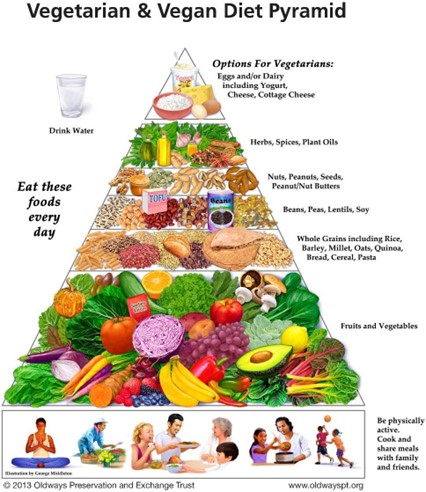
When a list of iron-rich foods is given to the client, she tells the practical nurse (PN) that she is vegetarian and does not eat anything that "bleeds." Which instruction should the PN provide? (Select all that apply.)
A. Add lentils and black beans to soups
Since the pregnant woman is vegetarian and does not eat meat, the practical nurse (PN) should provide alternative sources of iron-rich foods. Lentils and black beans are excellent vegetarian sources of iron and can be added to soups to increase iron intake (option a).
B. Eat red meat just until the anemia is resolved
Option b, which suggests eating red meat just until the anemia is resolved, is not appropriate for a vegetarian client.
C. Take two prenatal vitamins with iron daily
Option c, taking two prenatal vitamins with iron daily, is not necessary unless specifically advised by the healthcare provider. It is important to follow the prescribed dosage of medication and supplements as directed by the healthcare provider.
D. Oatmeal is a good choice for breakfast
Oatmeal is a good choice for breakfast as it is often fortified with iron (option d). This can help supplement iron intake in the diet.
E. Increase green leafy vegetables in the diet
Green leafy vegetables, such as spinach, kale, and broccoli, are also rich in iron and should be increased in the client's diet (option e).
Full Explanation
Since the pregnant woman is vegetarian and does not eat meat, the practical nurse (PN) should provide alternative sources of iron-rich foods. Lentils and black beans are excellent vegetarian sources of iron and can be added to soups to increase iron intake (option a).
Oatmeal is a good choice for breakfast as it is often fortified with iron (option d). This can help supplement
iron intake in the diet.
Green leafy vegetables, such as spinach, kale, and broccoli, are also rich in iron and should be increased in the client's diet (option e).
Option b, which suggests eating red meat just until the anemia is resolved, is not appropriate for a vegetarian client.
Option c, taking two prenatal vitamins with iron daily, is not necessary unless specifically advised by the healthcare provider. It is important to follow the prescribed dosage of medication and supplements as directed by the healthcare provider.
 |