
Nursing practice questions with comprehensive rationales
NurseDive Free Nursing Practice Question
A. Consume foods with saturated fats.
A: Consuming foods with saturated fats is not a healthy lifestyle change for a client with coronary artery disease, as this can increase the level of cholesterol and triglycerides in the blood, which can lead to plaque formation and narrowing of the arteries. Therefore, this statement indicates that the client needs additional education.
B. Walk 30 minutes per day.
B: Walking 30 minutes per day is a beneficial lifestyle change for a client with coronary artery disease, as this can improve the blood circulation, lower the blood pressure, and reduce the risk of heart attack and stroke. Therefore, this statement does not indicate that the client needs additional education.
C. Use a salt substitute.
C: Using a salt substitute is a helpful lifestyle change for a client with coronary artery disease, as this can reduce the sodium intake, which can lower the blood pressure and prevent fluid retention. Therefore, this statement does not indicate that the client needs additional education.
D. Keep a food diary.
D: Keeping a food diary is a useful lifestyle change for a client with coronary artery disease, as this can help the client monitor their calorie intake, portion size, and nutritional quality of their food. This can also help the client identify and avoid unhealthy food choices. Therefore, this statement does not indicate that the client needs additional education.
E. Eat more canned vegetables.
E: Eating more canned vegetables is not a good lifestyle change for a client with coronary artery disease, as canned vegetables often contain high amounts of sodium, which can raise the blood pressure and worsen the condition. Therefore, this statement indicates that the client needs additional education.
F. Include oatmeal for breakfast.
F: Including oatmeal for breakfast is an advantageous lifestyle change for a client with coronary artery disease, as oatmeal contains soluble fiber, which can lower the cholesterol level and prevent plaque formation in the arteries. Therefore, this statement does not indicate that the client needs additional education.
This question is an excerpt from Nurse Dive's nursing test bank - HESI Exit II Proctored Exam. Take the full exam now
Full Explanation
Choice A: Consuming foods with saturated fats is not a healthy lifestyle change for a client with coronary artery disease, as this can increase the level of cholesterol and triglycerides in the blood, which can lead to plaque formation and narrowing of the arteries. Therefore, this statement indicates that the client needs additional education.
Choice B: Walking 30 minutes per day is a beneficial lifestyle change for a client with coronary artery disease, as this can improve the blood circulation, lower the blood pressure, and reduce the risk of heart attack and stroke. Therefore, this statement does not indicate that the client needs additional education.
Choice C: Using a salt substitute is a helpful lifestyle change for a client with coronary artery disease, as this can reduce the sodium intake, which can lower the blood pressure and prevent fluid retention. Therefore, this statement does not indicate that the client needs additional education.
Choice D: Keeping a food diary is a useful lifestyle change for a client with coronary artery disease, as this can help the client monitor their calorie intake, portion size, and nutritional quality of their food. This can also help the client identify and avoid unhealthy food choices. Therefore, this statement does not indicate that the client needs additional education.
Choice E: Eating more canned vegetables is not a good lifestyle change for a client with coronary artery disease, as canned vegetables often contain high amounts of sodium, which can raise the blood pressure and worsen the condition. Therefore, this statement indicates that the client needs additional education.
Choice F: Including oatmeal for breakfast is an advantageous lifestyle change for a client with coronary artery disease, as oatmeal contains soluble fiber, which can lower the cholesterol level and prevent plaque formation in the arteries. Therefore, this statement does not indicate that the client needs additional education.
Similar Questions
A dietitian with a prescription for no not resuscitate (DNR) begins to manifest signs of impending death. After notifying the family of the patient's status, what priority action should the nurse implement?
A. The patient's need for pain medication should be determined.
A is correct because the nurse's priority is to provide comfort and dignity to the dying patient. Pain management is an essential aspect of end-of-life care.
B. The nurse manager should be updated on the patient's status.
B is incorrect because updating the nurse manager is not a priority action. The nurse manager can be informed later, after the patient's needs are met.
C. The patient's status should be conveyed to the chaplain.
C is incorrect because conveying the patient's status to the chaplain is not a priority action. The chaplain can be contacted later, after the patient's needs are met. The chaplain may also need the consent of the patient or the family before providing spiritual support.
D. The impending signs of death should be documented.
D is incorrect because documenting the impending signs of death is not a priority action. Documentation can be done later, after the patient's needs are met. Documentation is important, but not as important as providing comfort and dignity to the dying patient.
Full Explanation
Choice A is correct because the nurse's priority is to provide comfort and dignity to the dying patient. Pain management is an essential aspect of end-of-life care.
Choice B is incorrect because updating the nurse manager is not a priority action. The nurse manager can be informed later, after the patient's needs are met.
Choice C is incorrect because conveying the patient's status to the chaplain is not a priority action. The chaplain can be contacted later, after the patient's needs are met. The chaplain may also need the consent of the patient or the family before providing spiritual support.
Choice D is incorrect because documenting the impending signs of death is not a priority action. Documentation can be done later, after the patient's needs are met. Documentation is important, but not as important as providing comfort and dignity to the dying patient.
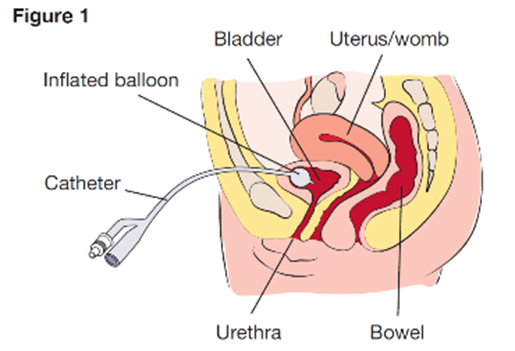
Which assessment should the home health nurse include during a routine home visit for a client who was discharged home with a suprapubic catheter?
A. Observe insertion site.
A: Observing the insertion site of the suprapubic catheter is an essential assessment for the home health nurse, as this can help detect any signs of infection, inflammation, or leakage. Therefore, this is the correct choice.
B. Palpate flank area.
B: Palpating the flank area is not a necessary assessment for the home health nurse, as this is not related to the suprapubic catheter. This is a distractor choice.
C. Measure abdominal girth.
C: Measuring abdominal girth is not a relevant assessment for the home health nurse, as this is not affected by the suprapubic catheter. This is another distractor choice.
D. Assess perineal area.
D: Assessing the perineal area is not an important assessment for the home health nurse, as this is not involved in the suprapubic catheter. This is another distractor choice.
Full Explanation
Choice A: Observing the insertion site of the suprapubic catheter is an essential assessment for the home health nurse, as this can help detect any signs of infection, inflammation, or leakage. Therefore, this is the correct choice.
Choice B: Palpating the flank area is not a necessary assessment for the home health nurse, as this is not related to the suprapubic catheter. This is a distractor choice.
Choice C: Measuring abdominal girth is not a relevant assessment for the home health nurse, as this is not affected by the suprapubic catheter. This is another distractor choice.
Choice D: Assessing the perineal area is not an important assessment for the home health nurse, as this is not involved in the suprapubic catheter. This is another distractor choice.
A client is receiving continuous ambulatory peritoneal dialysis (CAPD. and the arteriovenous (AV) graft in the right arm is no longer available to use for hemodialysis. The client has lost weight, has increasing peripheral edema, and has serum albumin level at 1.5 g/dL (15 g/L). Which intervention is the priority for the nurse to implement?
Reference Range
Serum Albumin [Reference Range: 3.5 to 5.5 g/dL (35 to 55 g/L)]
A. Recommend the use of support stockings to enhance venous return.
A: Recommending the use of support stockings to enhance venous return is not a priority intervention for the nurse, as this does not address the underlying cause of the peripheral edema, which is fluid overload due to inadequate dialysis. This is a distractor choice.
B. Ensure the client receives frequent small meals containing complete proteins.
B: Ensuring the client receives frequent small meals containing complete proteins is a priority intervention for the nurse, as this can help improve the client's nutritional status and increase their serum albumin level, which can reduce fluid leakage into the interstitial spaces and decrease edema. Therefore, this is the correct choice.
C. Evaluate patency of the AV graft for resumption of hemodialysis.
C: Evaluating patency of the AV graft for resumption of hemodialysis is not a priority intervention for the nurse, as this is not feasible at this point since the AV graft is no longer available to use. This is another distractor choice.
D. Instruct the client to continue to follow the prescribed rigid fluid restriction amounts.
D: Instructing the client to continue to follow the prescribed rigid fluid restriction amounts is not a priority intervention for the nurse, as this does not address the root problem of inadequate dialysis and low serum albumin level, which are contributing to fluid overload and edema. This is another distractor choice.
Full Explanation
Choice A: Recommending the use of support stockings to enhance venous return is not a priority intervention for the nurse, as this does not address the underlying cause of the peripheral edema, which is fluid overload due to inadequate dialysis. This is a distractor choice.
Choice B: Ensuring the client receives frequent small meals containing complete proteins is a priority intervention for the nurse, as this can help improve the client's nutritional status and increase their serum albumin level, which can reduce fluid leakage into the interstitial spaces and decrease edema. Therefore, this is the correct choice.
Choice C: Evaluating patency of the AV graft for resumption of hemodialysis is not a priority intervention for the nurse, as this is not feasible at this point since the AV graft is no longer available to use. This is another distractor choice.
Choice D: Instructing the client to continue to follow the prescribed rigid fluid restriction amounts is not a priority intervention for the nurse, as this does not address the root problem of inadequate dialysis and low serum albumin level, which are contributing to fluid overload and edema. This is another distractor choice.